
Is your baseboard heater not working in one room while the rest of your home stays warm? That’s frustrating, especially when you rely on it to keep your space cozy.
You might be wondering why this is happening and how to fix it quickly before the cold sets in. You’ll discover simple reasons behind this common problem and easy steps you can take to get your heater working again. Keep reading—you’ll be surprised how often a small, overlooked issue is the real culprit.
Common Causes Of Baseboard Heater Issues
Baseboard heaters keep rooms warm and cozy. When one room’s heater stops working, it causes discomfort. Understanding the common causes helps fix the problem fast. Many issues come from simple and easy-to-solve problems.
Knowing what to check first saves time and effort. Here are the main reasons why a baseboard heater might not work in one room.
Power Supply Problems
Baseboard heaters need steady power to work. A tripped circuit breaker can cut power to the heater. Loose plugs or disconnected wires may also cause power failure. Check the breaker box and power outlet for issues. Power problems are common and easy to fix.
Thermostat Malfunctions
The thermostat controls the heater’s temperature. A broken or wrongly set thermostat stops the heater from turning on. Sometimes, the thermostat sensor gets dirty or damaged. Replace or reset the thermostat to restore heat. Proper thermostat function is key to a warm room.
Blocked Or Dirty Heater
Dust and dirt can block the heater fins. This reduces heat output and may cause the heater to shut off. Furniture or curtains placed too close block heat flow. Clean the heater and remove any objects near it. A clean heater works better and lasts longer.
Wiring And Connection Issues
Worn or damaged wiring can stop the heater from working. Loose connections inside the heater or at the wall switch cause interruptions. Faulty wiring can be dangerous and needs careful handling. Call a professional electrician to inspect and repair wiring safely.

Credit: diy.stackexchange.com
Troubleshooting Power Supply
When a baseboard heater stops working in one room, checking the power supply is a key step. Power issues often cause heaters to fail. Simple checks can help find and fix the problem fast.
Checking Circuit Breakers
Start by checking your home’s circuit breaker panel. Find the breaker linked to the heater’s room. See if it has tripped or switched off. A tripped breaker cuts power to the heater.
Reset the breaker by flipping it off and then back on. After this, check if the heater works. If the breaker trips again, the heater or wiring may have a fault. Call a professional if needed.
Inspecting Power Cords And Plugs
Look at the heater’s power cord and plug closely. Make sure the plug fits well in the outlet. Check the cord for cuts, frays, or damage. Damaged cords can stop power flow and cause safety risks.
Try plugging the heater into a different outlet. This helps rule out outlet problems. If the heater runs on a new outlet, the first outlet might be faulty. Replace or repair the outlet as needed.
Thermostat Checks And Adjustments
Thermostats control the temperature in each room. When a baseboard heater stops working in one room, checking the thermostat is a smart first step. Small problems with the thermostat can stop the heater from turning on. Adjusting or fixing the thermostat might solve the issue quickly. Understanding how to test and replace thermostats helps keep your home warm and comfortable.
Testing Thermostat Settings
Start by checking the thermostat settings. Make sure the temperature is set higher than the room’s current temperature. This tells the heater to turn on. Look for any damage or wear on the thermostat dial or buttons. Press the settings to see if the heater reacts. If the heater stays off, the thermostat might not send the signal to the heater. Testing helps find if the thermostat causes the problem or if the issue is elsewhere.
Replacing Faulty Thermostats
Sometimes, thermostats stop working and need replacement. A faulty thermostat cannot control the heater properly. Turn off the power before removing the old thermostat. Take a photo of the wiring to help with new installation. Install a new thermostat that fits your heater’s model. Follow the instructions carefully for wiring and placement. After replacement, test the new thermostat by setting the temperature. A working thermostat should turn the heater on and off as needed.
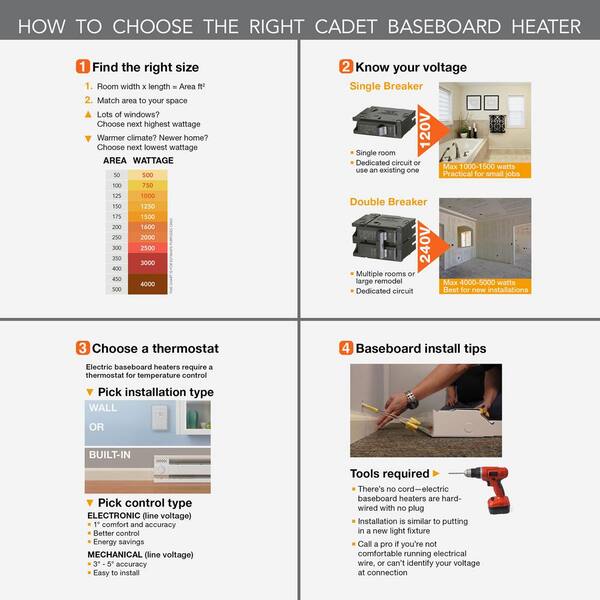
Credit: woolyyarn.com
Cleaning And Maintenance Tips
Cleaning and maintaining your baseboard heater is key to keeping it working well. Dirt and dust can block heat flow. This stops the heater from warming your room properly. Regular care helps avoid problems and saves money on repairs.
Removing Dust And Debris
Turn off the heater and let it cool down first. Use a vacuum with a brush attachment to remove dust. Clean inside the heater fins gently. A soft brush or cloth can help remove stubborn dirt. Avoid pushing dust deeper inside. Repeat cleaning often to keep dust from building up.
Clearing Blocked Airflow
Check for furniture or curtains blocking the heater. Move items at least a few inches away. Make sure nothing covers the heater vents. Blocked airflow lowers heat output and wastes energy. Open windows or doors can also affect heating. Keep the area around the heater clear for best airflow.
Inspecting Wiring And Connections
Checking the wiring and connections is important when a baseboard heater stops working in one room. Faulty wiring can stop the heater from getting power. This can make the room cold even when other rooms are warm.
Start by turning off the power to the heater. Safety first. Then, carefully remove the heater cover to see the wires. Look closely at all the connections. Loose or damaged wires can cause the heater to fail.
Identifying Loose Or Damaged Wires
Look for wires that are not tightly connected. Loose wires can cause the heater to turn off. Check if any wires look burnt or frayed. These signs mean damage and need fixing. Also, inspect the wire terminals. They should be clean and secure. Any corrosion or dirt can block power flow.
When To Call A Professional
Do not touch wires if you feel unsure. Electrical work can be dangerous. Call a licensed electrician if wires look damaged. Also, call a pro if you cannot find the problem. Professionals have tools and skills to fix wiring safely. This helps avoid accidents and saves time.
Temporary Workarounds
When a baseboard heater stops working in one room, finding quick ways to stay warm helps. Temporary fixes can keep the room comfortable until the heater is fixed. These simple tips offer easy warmth without waiting long.
Try using portable heat sources and changing the room setup. Both methods improve heat flow and comfort quickly.
Using Space Heaters Safely
Space heaters give fast, direct heat to a cold room. Choose one with safety features like tip-over switches and overheat protection. Place it on a flat, stable surface away from curtains and furniture. Never leave a space heater on when you leave the room or go to sleep. Keep children and pets away from the heater. Follow the manufacturer’s instructions carefully for safe use.
Adjusting Room Layout For Better Heat
Moving furniture can help spread heat more evenly. Avoid blocking vents or baseboard heaters with large objects. Pull curtains back during the day to let sunlight warm the room. Close doors to keep heat inside the room. Use rugs on cold floors to add warmth. These small changes make the room feel warmer without extra energy use.

Credit: muniandahuaylas.gob.pe
Frequently Asked Questions
Why Is My Baseboard Heater Not Heating One Room?
A faulty thermostat or broken heating element often causes this issue. Check the thermostat settings and wiring first. Sometimes, the heater needs simple repairs or replacement parts.
How Can I Fix A Baseboard Heater With No Heat?
Turn off the power before inspecting the heater. Clean dust and debris from the heater fins. Test the thermostat and replace faulty parts if needed.
Can A Tripped Breaker Stop One Baseboard Heater?
Yes, a tripped breaker can cut power to a single heater. Check your electrical panel for any tripped switches. Resetting the breaker might restore heat to the room.
Why Does Only One Room’s Baseboard Heater Stop Working?
This can happen due to wiring issues or a damaged heater. The problem might be isolated to that room’s electrical circuit. Professional help can quickly find and fix the cause.
How Often Should I Maintain My Baseboard Heaters?
Regular cleaning and inspection every year keep heaters working well. Dust buildup reduces efficiency and can cause failures. Simple maintenance extends the heater’s life and improves safety.
Conclusion
A baseboard heater not working in one room can be frustrating. Check the power supply and thermostat first. Sometimes, dust or debris blocks the heater’s elements. Resetting the breaker or replacing a fuse might help. If the problem stays, call a professional for safety.
Regular maintenance keeps heaters working well. Warm rooms mean comfort and lower energy bills. Don’t ignore small issues; they can grow bigger. Fix the heater soon to enjoy cozy, even heat in every room. Simple steps can bring back your warmth quickly.