
Your fireplace mantel is more than just a decorative shelf—it’s a centerpiece that adds charm and warmth to your home. But have you ever noticed how heat from the fire can cause damage over time?
Cracks, discoloration, and warping can turn your beautiful mantel into an eyesore. The good news is, you don’t have to watch this happen. You’ll discover simple and effective ways to protect your fireplace mantel from heat damage. Keep reading to learn how to keep your mantel looking flawless, so it stays a stunning feature for years to come.
Credit: rockymountainstove.com
Fireplace Mantel Heat Risks
Fireplace mantels add charm and style to any room. They frame the fire and create a cozy feel. Yet, heat from the fireplace can harm the mantel. Understanding these heat risks helps protect your mantel and keep it looking great.
Common Mantel Materials
Mantels come in different materials. Wood is popular for its warm look. Stone mantels offer durability and a classic style. Marble mantels bring elegance but can be sensitive to heat. Metal mantels are rare but resist fire well. Each material reacts differently to heat.
Heat Damage Effects
Heat can cause many problems for mantels. Wood may dry out, crack, or warp. Stone might discolor or develop cracks. Marble can lose shine or crack under high heat. Prolonged heat weakens the mantel’s structure. Damage lowers the mantel’s beauty and value.
Credit: thaifarmcooking.com
Safe Mantel Installation
Protecting your fireplace mantel from heat starts with a safe installation. A proper setup keeps the mantel sturdy and stops heat damage. It also lowers fire risks. Careful planning and correct materials help your mantel last longer and stay beautiful.
Focus on space and materials to make your mantel safe. Follow rules about distance and use heat-resistant items. These steps help keep your mantel cool and secure.
Proper Clearance Requirements
Clearance means the space between the mantel and the fire source. This space stops heat from reaching the wood or other mantel materials. Building codes often require a specific clearance. Usually, at least 12 inches from the firebox is needed. Measure carefully before installing. Never guess or skip this step. Proper clearance lowers fire risk and protects your mantel.
Using Heat-resistant Materials
Choose materials that do not catch fire or warp easily. Stone, brick, and metal are good options. For wooden mantels, use heat-resistant paint or sealant. These materials add a layer of protection. They keep the mantel safe from intense heat. Heat-resistant materials help your mantel stay in good shape for years.
Heat Shields And Barriers
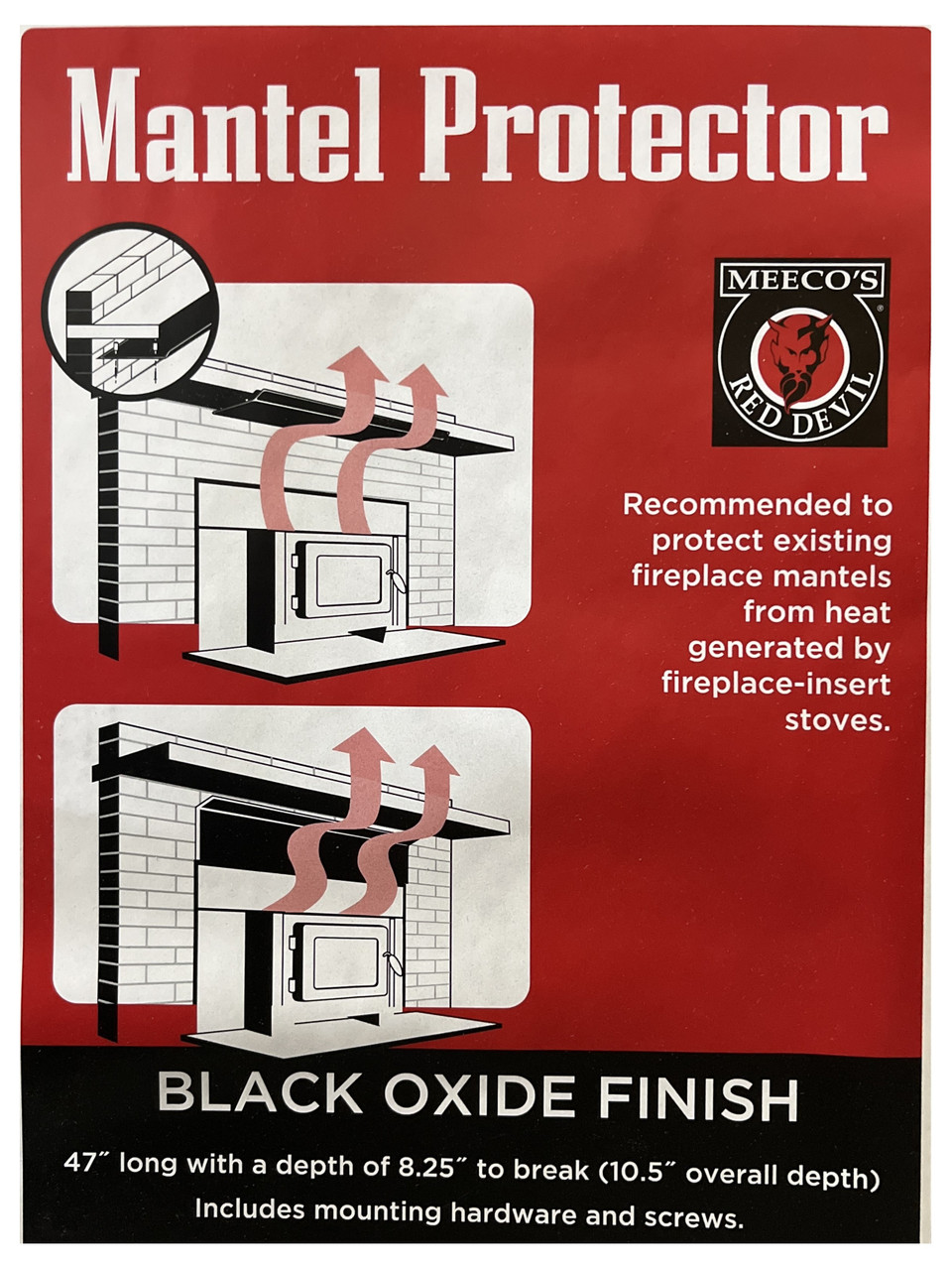
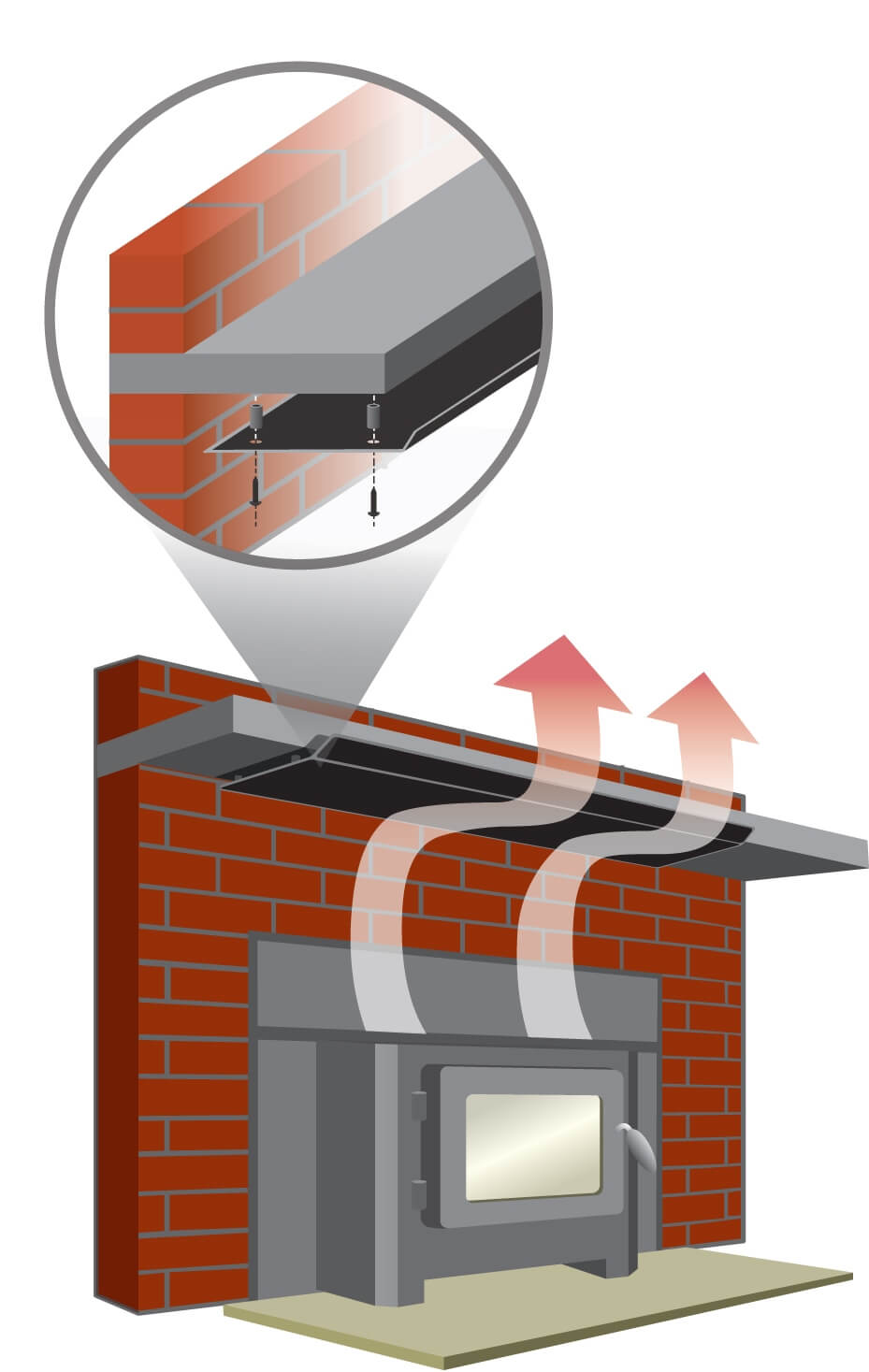
Heat shields and barriers play a key role in protecting your fireplace mantel from heat damage. These materials block or reduce heat flow, keeping your mantel safe and looking good for years. They create a barrier that stops heat from reaching the wood or other sensitive materials on your mantel.
Using heat shields can prevent cracks, discoloration, and warping caused by constant heat exposure. They are simple to install and come in many types. Choosing the right heat shield and placing it correctly ensures your mantel stays cool.
Types Of Heat Shields
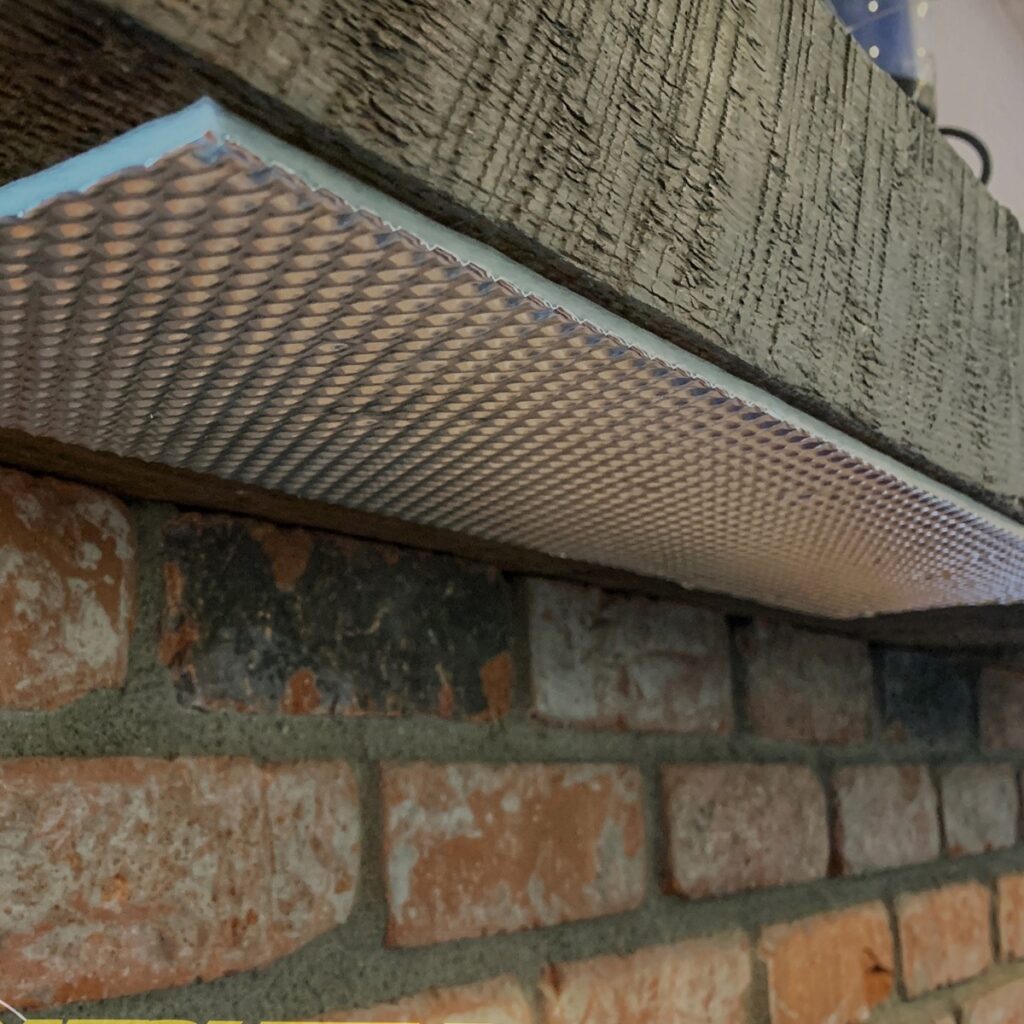
Metal shields are common and effective. They reflect heat away from the mantel surface. Stainless steel and aluminum are popular choices. Both resist heat well and last a long time.
Fire-resistant boards made from materials like cement or gypsum also work well. These boards absorb and block heat. They are easy to cut and fit to any shape.
Glass shields offer a clear barrier. They protect without hiding the mantel design. Tempered glass is strong and heat resistant.
Some use ceramic tiles as heat barriers. They can handle high temperatures and add style. Tiles are great for mantels near wood or delicate finishes.
Placement And Installation Tips
Place the heat shield between the fireplace and mantel. It should cover the area where heat hits most. The shield must not touch the mantel directly. Leave a small air gap for better heat flow.
Use screws or heat-resistant adhesives to secure the shield. Make sure it fits tightly and covers all exposed mantel areas. Check for gaps or loose parts regularly.
Follow manufacturer instructions for best results. Improper installation reduces shield effectiveness. Keep the shield clean to maintain heat protection.
Do not block airflow around the fireplace. Good ventilation lowers heat buildup and mantel risk. A well-placed heat shield plus airflow keeps your mantel safe.
Mantel Maintenance Tips
Protecting your fireplace mantel from heat damage requires regular care. Proper mantel maintenance keeps it safe and looking good. Small actions can prevent big problems later.
Check your mantel often. Clean it carefully. Fix any damage fast. These steps help your mantel last longer and stay strong.
Regular Inspections
Look at your mantel closely every few weeks. Check for cracks, warping, or discoloration. Heat can cause hidden damage. Early signs need quick attention.
Use a flashlight to see all areas well. Don’t ignore small changes in the wood or paint. These could mean heat is affecting the mantel.
Cleaning And Repairs
Keep your mantel clean from dust and soot. Use a soft cloth and gentle cleaner. Avoid harsh chemicals that might damage the finish.
Fix chips or scratches right away. Sand lightly and repaint if needed. Repairing early stops more serious damage from heat.
Fireplace Usage Practices
Using your fireplace the right way helps protect your mantel from heat damage. Proper habits keep the mantel safe and looking good for years. Small changes in how you use your fireplace can make a big difference.
Focus on managing the fire safely and avoiding overheating. These steps reduce the risk of heat harming your mantel or nearby walls.
Safe Fire Management
Start with dry, seasoned wood. Wet or green wood produces more heat and smoke. Use a fireplace grate to keep logs off the floor. This helps air flow and burns wood evenly. Always keep a fire screen in front to stop sparks from reaching the mantel. Never leave the fire unattended. Extinguish the fire completely before sleeping or leaving the house.
Avoiding Overheating
Do not build large, intense fires. Large fires create extreme heat that can crack or discolor the mantel. Keep fires moderate and steady. Avoid piling too many logs at once. Use a thermometer to monitor the fireplace temperature. Stay within safe heat limits suggested by the fireplace maker. Allow the fireplace to cool down gradually after use. Sudden temperature changes can damage the mantel material.
Credit: heatshieldproducts.com
Additional Safety Measures
Protecting your fireplace mantel from heat is important for safety and durability. Beyond basic heat shields, extra safety steps help keep your home safe. These measures work together to reduce risks and protect your mantel from damage.
Installing Smoke And Heat Detectors
Smoke and heat detectors alert you to fire dangers quickly. Place detectors near the fireplace for fast warnings. Test them regularly to ensure they work well. Replace batteries twice a year or as needed. Early alerts help stop fires before they spread.
Using Fireplace Screens
Fireplace screens block sparks and hot embers from reaching the mantel. Choose a screen that fits your fireplace size. Metal mesh screens work best to stop heat and debris. Always keep the screen closed during fires. This simple step protects wood and paint from heat damage.
Frequently Asked Questions
How Can I Protect My Fireplace Mantel From Heat Damage?
Use a heat shield or heat-resistant materials on the mantel surface. Keep a safe distance between the fire and the mantel. This helps reduce heat exposure and prevents damage.
What Materials Are Best For A Heat-resistant Fireplace Mantel?
Materials like stone, brick, or metal work well for heat resistance. These materials can handle higher temperatures without warping or cracking. Avoid wood or plastic near direct heat.
Can I Use A Fireplace Mantel Cover To Reduce Heat?
Yes, a mantel cover made of fireproof fabric or metal can block heat. It acts as a barrier and protects the mantel from heat exposure. This is an easy, effective solution.
How Far Should The Mantel Be From The Fire Source?
The mantel should be at least 12 inches above the firebox opening. This distance helps keep the mantel cooler and safer. Check local building codes for exact requirements.
Does Sealing Or Painting Help Protect The Mantel From Heat?
Heat-resistant paint or sealant can add some protection to wooden mantels. It reduces heat absorption and prevents discoloration. Use products specifically designed for high temperatures.
Conclusion
Protecting your fireplace mantel from heat keeps it safe and lasting longer. Use heat shields or protective materials to block direct heat. Keep a good distance between fire and mantel to avoid damage. Regularly check for cracks or signs of heat wear.
Simple steps can save you costly repairs later. Enjoy the warmth without worrying about your mantel’s safety. Small efforts make a big difference in home care. Stay safe and keep your fireplace looking great.