
Is your Richmond electric water heater acting up when you need it most? You’re not alone.
When your hot water suddenly stops flowing or the heater makes strange noises, it can throw off your entire day. But don’t worry—you don’t have to call a technician right away or spend a fortune on repairs. In this guide, you’ll discover simple, effective troubleshooting tips tailored just for Richmond electric water heaters.
By the time you finish reading, you’ll know exactly how to spot common problems and fix them quickly. Ready to take control of your hot water issues? Let’s get started.
Credit: www.youtube.com
Common Richmond Water Heater Issues
Richmond water heaters often face common issues that affect daily life. Knowing these problems helps you spot trouble early. Quick fixes can save time and money. Here are the most frequent problems found in Richmond electric water heaters.
No Hot Water
No hot water is a top complaint. It can mean a broken heating element or a tripped circuit breaker. Sometimes, the thermostat fails, stopping the heater from warming water. Testing these parts usually reveals the cause fast.
Inconsistent Water Temperature
Water temperature that changes suddenly can feel frustrating. It may result from a faulty thermostat or sediment build-up inside the tank. Sediment reduces heating efficiency and causes uneven heat. Flushing the tank often restores steady warmth.
Water Heater Leaking
Leaks around the water heater cause water damage and higher bills. Common leak points include valves, pipes, and the tank itself. Rust or cracks signal serious problems needing repair or replacement. Early leak detection prevents bigger troubles.
Strange Noises
Noises like popping or banging come from sediment hardening inside the tank. This buildup traps water, creating steam pockets that burst loudly. Regular tank flushing removes sediment and stops these sounds. Ignoring noises may shorten heater life.
Pilot Light Problems
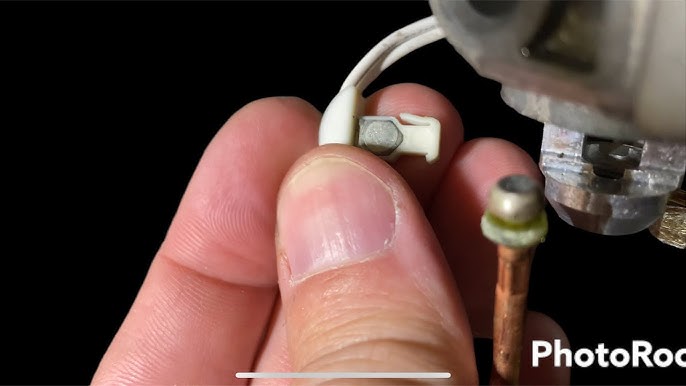
Some models use a pilot light, which can go out often. A blown-out pilot light means no heat and cold water. Causes include dirty thermocouples or gas supply issues. Cleaning or relighting the pilot light restores normal operation.
Basic Troubleshooting Steps
Basic troubleshooting steps help find common problems with Richmond electric water heaters. These steps are simple and safe to do. They often fix small issues without needing a professional. Follow these clear steps to check your water heater.
Checking The Power Supply
Start by making sure the water heater has power. Check the circuit breaker or fuse box. Look for any tripped switches or blown fuses. Ensure the power switch on the heater is turned on. No power means no hot water.
Inspecting The Thermostat
The thermostat controls the water temperature. It may be set too low or be faulty. Adjust the thermostat to the recommended setting. If water stays cold, test the thermostat with a multimeter. Replace it if it does not work properly.
Flushing The Tank
Mineral build-up can reduce heater efficiency. Flush the tank to remove sediment. Turn off the power and water supply first. Attach a hose to the drain valve and drain the tank. Flush until the water runs clear to improve heating.
Examining The Heating Element
The heating element warms the water. It may wear out over time. Turn off power before checking. Use a multimeter to test for continuity. Replace the element if it shows no continuity or damage.
Resetting The Water Heater
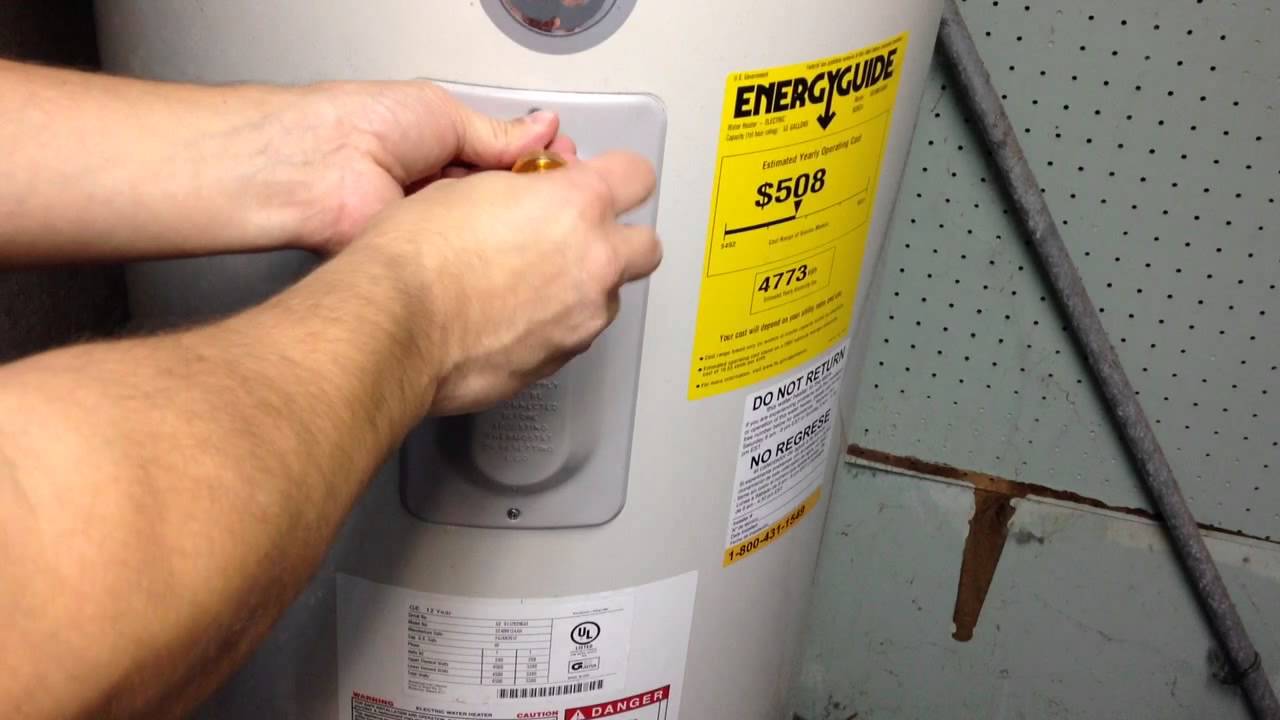
Many models have a reset button. This button stops the heater if it overheats. Find the reset button, usually behind a panel. Press it firmly to reset the system. This can fix simple overheating problems quickly.
Fixing No Hot Water
Finding no hot water from your Richmond electric water heater can be frustrating. This issue often points to common problems that you can fix yourself. Understanding key steps helps you solve the problem quickly.
Below are simple ways to restore your hot water supply safely and effectively.
Restoring Power
Check if the water heater has power. Sometimes, a tripped breaker stops electricity flow. Locate your home’s electrical panel and look for a flipped breaker. Switch it off and then back on.
Inspect the water heater’s power switch. It should be in the “on” position. If the power is on but no heat, the problem might be inside the heater.
Replacing A Faulty Thermostat
The thermostat controls water temperature. A faulty thermostat can stop heating. Turn off the power to the heater before working on it.
Remove the access panel and insulation. Find the thermostat and test it with a multimeter. Replace it if it shows no continuity. Installing a new thermostat can restore proper heating.
Heating Element Replacement
The heating element warms the water. A broken element means cold water. Turn off power and drain the tank below the element level.
Remove the element’s screws and pull it out. Test the old element with a multimeter. Install a new heating element if it’s faulty. Refill the tank and restore power to test.
Credit: el-greco.ru
Resolving Temperature Fluctuations
Temperature fluctuations in a Richmond electric water heater cause discomfort. Hot water may suddenly turn cold or become too hot without warning. These changes can waste energy and damage the heater over time.
Solving this issue requires simple steps anyone can follow. Start by checking the thermostat, then clean out any sediment. Finally, ensure the water pressure is balanced for steady heat. Each step helps keep water temperature steady and safe.
Adjusting Thermostat Settings
The thermostat controls the water temperature inside the heater. Sometimes, the setting might be too low or too high, causing changes in water heat. Use a screwdriver to open the thermostat cover carefully. Turn the dial to a moderate temperature, usually around 120°F (49°C). Avoid setting it too high to prevent scalding. After adjusting, test the water temperature at a faucet. Repeat if the temperature still varies.
Cleaning Sediment Buildup
Mineral deposits settle at the bottom of the water heater tank. This sediment blocks heat transfer and causes uneven temperatures. Turn off the heater and let the water cool. Attach a hose to the drain valve and empty the tank into a bucket or drain. Flush the tank with fresh water to remove remaining sediment. Clean the tank every six months to maintain heat consistency and prolong the heater’s life.
Balancing Water Pressure
Uneven water pressure can make water temperature unstable. High pressure pushes water too fast, while low pressure slows it down. Use a pressure gauge to check water pressure. Ideal pressure is between 40 and 60 psi. Adjust the pressure regulator valve as needed. This balance helps the heater maintain a steady flow of hot water without sudden changes.
Stopping Leaks And Drips
Leaks and drips from a Richmond electric water heater can waste water and cause damage. Fixing these issues quickly saves money and prevents bigger problems. Many leaks come from loose parts, worn valves, or small holes in the tank. Knowing how to stop leaks helps keep the heater working well.
Tightening Loose Connections
Loose connections often cause small drips around the heater. Check all pipes and fittings carefully. Use a wrench to tighten any loose nuts or bolts. Do not overtighten, or you may cause damage. Tight connections stop water from escaping and reduce leaks.
Replacing Faulty Valves
Valves control water flow and pressure inside the heater. Old or broken valves can drip or leak water. Turn off the water supply before removing a valve. Replace it with a new valve that fits your model. A new valve stops leaks and keeps water flow steady.
Sealing Minor Tank Leaks
Small holes or cracks in the tank cause leaks. Drain the tank and dry the area around the leak. Use a waterproof sealant made for water heaters. Apply the sealant carefully to cover the hole. Let it dry fully before refilling the tank. Sealing minor leaks can delay costly repairs.
Silencing Noisy Water Heaters
Noisy water heaters can disrupt your daily routine. Loud popping or rumbling sounds often mean the heater needs attention. These noises usually come from sediment buildup, loose parts, or poor insulation. Fixing these issues can make your Richmond electric water heater quieter and last longer.
Removing Sediment Buildup
Over time, minerals settle at the bottom of the tank. This sediment causes popping sounds when heated. Drain the tank to clear out these deposits. Turn off the power and water supply first. Open the drain valve and let the water flow out. Flush the tank until the water runs clear. Removing sediment reduces noise and improves heater efficiency.
Checking For Loose Parts
Loose parts inside the heater can create rattling sounds. Inspect the heating elements and screws. Tighten any loose bolts or connections carefully. Pay attention to the thermostat and wiring as well. Securing all parts stops vibrations and noise. Regular checks help avoid bigger problems later.
Insulating The Tank
Insulating the water heater tank reduces noise and heat loss. Wrap an insulation blanket around the tank. Make sure to follow the manufacturer’s instructions. Avoid covering the thermostat or controls. Insulation keeps the heater quieter and saves energy. It also protects the tank from damage caused by temperature changes.
Pilot Light Troubleshooting
The pilot light is a small flame that keeps the water heater ready to heat water. If the pilot light goes out, the water heater will not work. Troubleshooting the pilot light can help fix common problems quickly. This guide covers basic steps to check and fix pilot light issues in Richmond electric water heaters.
Relighting The Pilot
Start by turning off the gas supply. Wait five minutes for any gas to clear. Find the pilot light knob and turn it to the “pilot” position. Press and hold the knob down. Use a long lighter to light the pilot flame. Keep holding the knob for 30 seconds. Release the knob slowly. If the flame stays on, turn the knob to “on.” If it goes out, repeat the steps.
Cleaning The Pilot Orifice
The pilot orifice is a small opening that lets gas reach the pilot light. Dirt or dust can block it. Turn off the gas and power supply first. Remove the pilot tube carefully. Use compressed air or a thin wire to clean the orifice. Avoid damaging the orifice. Reattach the pilot tube and try lighting the pilot again.
Checking Gas Supply
Check if the gas valve is open. Confirm the gas supply to your home is active. Inspect the gas line for leaks or damage. A closed valve or gas leak stops the pilot light. If unsure, contact a professional to inspect the gas supply safely.
When To Call A Professional
Knowing when to call a professional for Richmond electric water heater troubleshooting is important. Some problems need expert skills to fix safely and correctly. Trying to repair serious issues alone can cause damage or be dangerous.
Recognizing the signs that require a professional helps protect your home and save money. Here are key situations when you should not delay calling a technician.
Persistent Issues
Repeated water heater problems show underlying faults. If your unit breaks down often or stops heating water, it needs expert attention. Simple fixes may not solve long-term damage or worn parts.
Continuous leaks, strange noises, or inconsistent temperatures mean the system is failing. Professionals diagnose these deeper problems quickly and ensure lasting repairs.
Gas Leak Concerns
Gas leaks pose serious health and fire risks. Even a small gas smell near your water heater must be handled immediately. Do not try to find the leak yourself.
Call a licensed technician who has the tools to detect leaks and fix them safely. Prompt professional help protects your family and home from harm.
Major Repairs And Replacements
Large repairs require knowledge and experience. Problems like broken heating elements or damaged tanks often need parts replaced.
Replacing an old or faulty electric water heater is best left to professionals. They ensure correct installation and follow safety codes. This guarantees your water heater works efficiently and lasts longer.
Credit: megaprojects.com
Frequently Asked Questions
How To Reset A Richmond Electric Water Heater?
To reset, locate the red reset button on the thermostat. Press it firmly until you hear a click. This can fix minor electrical issues quickly.
Why Is My Richmond Water Heater Not Heating Water?
Check the power supply and circuit breaker first. A faulty thermostat or heating element might need replacement. Simple checks save time and money.
What Causes Richmond Electric Water Heater Leaks?
Leaks often come from loose connections or worn-out valves. Inspect the pipes and drain valve for damage. Tighten or replace parts to stop leaks.
How To Test The Heating Element In Richmond Water Heater?
Turn off power, remove the element, and use a multimeter. A reading outside the normal range means it’s faulty. Replace it to restore heating.
What Maintenance Keeps Richmond Electric Water Heaters Efficient?
Flush the tank yearly to remove sediment buildup. Check the anode rod and replace if corroded. Regular care extends heater life and saves energy.
Conclusion
Troubleshooting your Richmond electric water heater can save time and money. Simple checks often solve common problems quickly. Always turn off power before inspecting the unit. Regular maintenance helps keep the heater working well. If issues persist, calling a professional is wise.
Staying safe during repairs protects you and your home. Understanding basic fixes boosts confidence in handling problems. Keep this guide handy for future reference. Your water heater can run smoothly with proper care.