
Is your Comfort Zone heater running but not blowing hot air? That sudden chill can be frustrating, especially when you rely on it to keep your space warm and cozy.
You might be wondering why your heater isn’t working the way it should and what you can do to fix it quickly. You’ll discover simple reasons behind this problem and easy steps to get your heater heating again. Keep reading—you’re closer to solving this than you think.
Common Causes
When a Comfort Zone heater stops blowing hot air, several common causes might be behind the problem. Identifying these issues can help fix the heater quickly. These causes often relate to simple parts or settings that need attention.
Power Supply Issues
The heater may not get enough power to work properly. Check if the outlet is working. The power cord might be loose or damaged. Circuit breakers can trip, cutting power to the heater.
Clogged Air Filters
Dirty filters block airflow and reduce heat output. Filters should be cleaned or replaced regularly. A clogged filter forces the heater to work harder and can cause it to stop heating.
Thermostat Problems
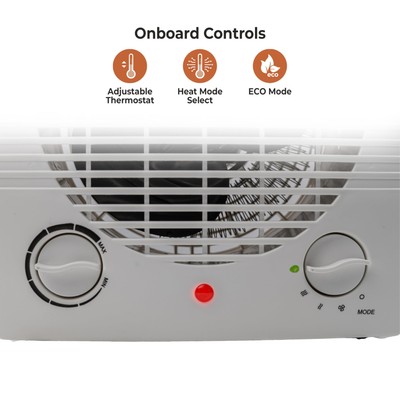
The thermostat controls the heater’s temperature. If it is set too low, the heater won’t blow hot air. Faulty thermostats can give wrong readings and stop heating. Resetting or replacing the thermostat may help.
Faulty Heating Elements
Heating elements create warmth inside the heater. If they break or burn out, no heat will be produced. This is a common cause of heating failure. Replacing damaged elements usually fixes the problem.
Blower Motor Malfunctions
The blower motor pushes warm air out. A broken motor means no airflow, even if the heater works. Motors can stop due to wear or electrical problems. Repair or replacement might be needed to restore heat.
Credit: dumin.org
Simple Fixes
Simple fixes often solve the problem of a Comfort Zone heater not blowing hot air. These quick steps can help restore warmth without waiting for a repair person. Try each method carefully to find the cause.
Resetting The Heater
Turn off the heater and unplug it from the power source. Wait for about 5 minutes to let it cool down. Plug it back in and switch it on. This reset can clear minor errors and restart the heating function.
Replacing Air Filters
Check the air filter for dust and dirt. A clogged filter blocks airflow and reduces heat. Remove the old filter and replace it with a new one. Clean filters improve heater performance and air quality.
Adjusting Thermostat Settings
Look at the thermostat settings carefully. Make sure the temperature is set higher than the room temperature. Set the mode to “Heat” instead of “Fan” or “Cool.” Correct settings ensure the heater blows warm air.
Cleaning The Heater
Dust and debris can gather inside the heater. Use a soft brush or cloth to clean vents and surfaces. Keep the heater unplugged while cleaning. A clean heater runs better and stays warm longer.
Inspecting Power Connections
Check all power cords and plugs for damage or loose connections. Make sure the outlet works by testing with another device. Secure connections deliver steady power for the heater to work properly.
When To Call A Professional
Knowing when to call a professional for your Comfort Zone heater saves time and stress. Some problems need expert care to avoid damage or injury. Recognizing these signs helps keep your home safe and warm.
Persistent Heating Failure
If your heater stops blowing hot air repeatedly, it’s a clear sign to get help. Simple fixes might not work anymore. Continuous failure means there could be a deeper issue inside the unit.
Electrical Safety Concerns
Any smell of burning or sparks from your heater is dangerous. Electrical problems can cause fires or shocks. A professional knows how to handle wiring safely and fix the root cause without risk.
Complex Component Repairs
Heater parts like thermostats or motors are tricky to repair. These components need special tools and skills. Trying to fix them alone can cause more damage or void warranties. Experts can replace or repair parts correctly and quickly.
Credit: britogallo.es
Preventive Tips
Preventing your Comfort Zone heater from blowing cold air starts with simple care. Small steps keep your heater working well longer. These tips help avoid common problems and save repair costs.
Regular Maintenance Schedule
Check your heater every month during use. Clean dust from vents and filters carefully. Replace filters if they look dirty. Inspect the power cord and plug for damage. Schedule a professional checkup once a year. Regular care stops blockages and mechanical failures.
Proper Usage Guidelines
Use the heater on a flat, stable surface. Avoid covering the heater or blocking airflow. Set the thermostat to a moderate temperature. Turn off the heater when not in use. Follow the manufacturer’s instructions for best results. Safe use prevents overheating and internal damage.
Safe Storage Practices
Store the heater in a dry, cool place during off-season. Keep it away from moisture and dust. Wrap the power cord loosely to avoid damage. Cover the heater with a cloth to protect it. Proper storage helps maintain heating quality and extends its life.
Credit: britogallo.es
Frequently Asked Questions
Why Is My Comfort Zone Heater Not Blowing Hot Air?
The heater may have a dirty filter or blocked vents. Check and clean them to improve airflow and heat.
How Can I Fix A Comfort Zone Heater With No Heat Output?
Reset the heater by turning it off and on. Also, check the thermostat settings and power supply.
What Causes Comfort Zone Heater To Blow Cold Air Only?
A faulty thermostat or heating element can cause cold air. Testing these parts helps identify the issue.
Can A Dirty Filter Stop A Comfort Zone Heater From Heating?
Yes, a dirty filter blocks airflow and reduces heat. Regular cleaning or replacement keeps the heater working well.
When Should I Call A Professional For Heater Not Heating?
Call a pro if basic checks fail or you smell burning. Experts can safely fix electrical or mechanical problems.
Conclusion
A Comfort Zone heater not blowing hot air can be frustrating. Check the power supply and thermostat settings first. Clean or replace the air filter to improve airflow. Inspect the pilot light or ignition system carefully. Sometimes, simple fixes can restore warmth quickly.
If problems continue, contacting a professional might help. Staying warm is important during cold days. Don’t ignore small issues that could cause bigger troubles. Taking quick steps ensures your heater works well and keeps you cozy.