
As an Amazon Associate, we earn from qualifying purchases. This post contains affiliate links – if you buy through them, we may earn a commission at no extra cost to you.
Finding the best top coat for gel stain depends on your project’s needs, as no single product handles every surface or finish perfectly. Choosing the right one comes down to three main factors: whether your stain is oil-based or water-based, the level of durability you need, and your preferred application method. Some products excel at fast drying, while others focus on thickness or a hand-rubbed look. If you want a reliable all-rounder, General Finishes High Performance is a common choice, but if you need an oil-based finish for a classic feel, General Finishes Gel Topcoat is a strong alternative.
1. General Finishes High Performance Water Based Topcoat
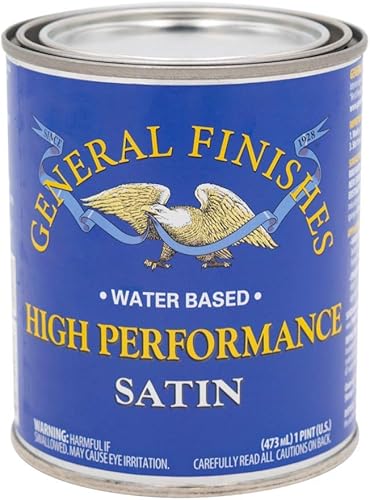
Best for: Someone who wants a durable, easy-to-use water-based topcoat for interior furniture.
This product is engineered as the hardest, most durable consumer polyurethane currently available. Because it’s water-based, you must limit its application to interior surfaces only. The formula dries in just 1 to 2 hours between coats, allowing you to complete multi-coat projects within a single afternoon.
Avoid applying this topcoat over bright white paint. A chemical reaction between the finish and the substrate often causes noticeable yellowing. While light-colored paints may also experience some discoloration, the effect is significantly less visible than on pure white surfaces. If your project features a stark white finish, choose a different product to maintain that crisp appearance.
Good if: * You need a fast drying time to speed up your workflow. * You want a professional-grade, durable finish for home furniture. * You’re working exclusively on interior pieces.
Skip it if: * You’re coating bright white paint, as yellowing is likely. * You require a finish rated for outdoor exposure. * You need a product that remains perfectly clear over light substrates.
2. General Finishes Oil Based Gel Topcoat

Best for: Someone looking for a traditional, oil-based finish for detailed pieces.
This is an oil-based penetrating finish that provides a classic look. It’s ideal for detailed pieces because the gel formula stays where you put it. You’ll need a minimum of three coats for the best results.
This product isn’t for those in a hurry. The dry time is 12 to 24 hours, and it requires a full 30-day cure time. It also naturally darkens or ambers, which is a specific aesthetic choice rather than a defect.
Good if:
- You prefer an oil-based finish.
- You’re working on intricate, detailed wood.
- You want a traditional hand-rubbed look.
Skip it if:
- You need to finish a project in a single day.
- You want a finish that stays perfectly clear and white.
3. Varathane Water-Based Ultimate Gloss Polyurethane

Best for: A user wanting a fast-drying, clear finish for cabinets or trim.
This water-based formula is designed for excellent clarity and scratch resistance. It dries to the touch in just 30 minutes, allowing you to recoat in 2 hours. It’s versatile enough for furniture, windows, cabinets, and trim.
The coverage is rated for up to 31.25 square feet. If you’re working on a project larger than this, ensure you have enough cans on hand to complete the surface in one session to avoid visible lap marks.
It isn’t for someone who prefers a thick, heavy-duty build-up in one pass. Because it’s water-based, it’s designed for a polished, clean look rather than a deep, heavy epoxy-like finish. If you apply it too thickly in an attempt to build depth, you risk drips and uneven drying. Instead, apply thin, even coats and follow the two-hour recoat window to achieve the best results.
Good if: * You want a fast-drying clear coat. * You need a finish with excellent clarity. * You’re working on trim or cabinets.
Skip it if: * You want a thick finish that provides full coverage in a single application. * You prefer the look of an oil-based varnish.
4. Minwax 233334444 Polycrylic Protective Wood Finish
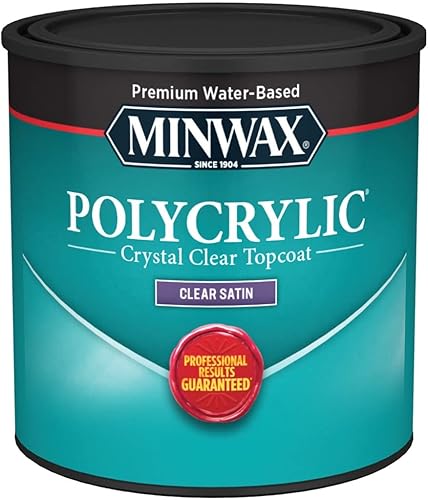
Best for: Someone looking for a versatile, low-odor finish for indoor projects.
This water-based finish is non-yellowing and non-ambering, making it a great choice for light wood species like maple, ash, or birch. It protects against scratches, spills, and dirt on interior woodwork, furniture, doors, and cabinets. Cleanup is simple with soap and water, so you don’t have to stress about messes.
The product requires a high-quality synthetic bristle brush for the best application. Because it’s a fast-drying formula, you can apply recoats shortly after the initial application. This allows you to complete your projects significantly faster than with slower-curing alternatives.
It isn’t for someone who wants an oil-based, amber-tinted finish, as this is specifically designed to remain crystal clear. If you’re working on outdoor wood surfaces, choose a different product, as this is intended for interior use only.
Good if: * You’re working on light-colored wood. * You want a low-odor project environment. * You need a fast-drying, clear finish.
Skip it if: * You want an oil-based, warm-toned finish. * You’re working on outdoor wood surfaces.
5. General Finishes Arm-R-Seal Oil Based Topcoat

Best for: Someone who wants a high-quality, durable, hand-rubbed finish.
Made with premium urethane resin, this oil-based topcoat offers exceptional durability. You apply it by wiping it on with a cloth or using a foam brush. This method is ideal if you lack professional spray equipment.
The formula produces a refined, hand-rubbed appearance that highlights wood grain. Because it relies on thin coats, it doesn’t provide the thick, rapid build of water-based products. If you must finish a large project in a single afternoon, choose a different product.
Apply this finish when you prioritize aesthetic depth over speed. If you’re working on a small piece or a furniture item that requires long-term protection, the urethane resin provides a lasting shield.
Good if: * You want a high-quality, hand-rubbed appearance. * You prefer wiping on your topcoat. * You need extreme durability.
Skip it if: * You’re sensitive to strong odors. * You need a fast drying time. * You’re working on a massive project that requires a heavy build in just a few hours.
6. Bartley Gel Clear Coat

Best for: A beginner who wants a mess-free application without drips.
This gel formula is specifically made to prevent runs, drips, and sags. Because it’s a gel, it’s easy to apply with a rag, making it great for vertical surfaces. It requires no sanding between coats, which saves a lot of time.
It isn’t for someone who wants a brush-on, liquid-style finish. The drying time is fast, but it isn’t a “set and forget” product; you must be prepared to wipe it on carefully to get the desired satin look.
Good if:
- You’re a beginner at finishing wood.
- You’re working on vertical or overhead surfaces.
- You want to avoid sanding between coats.
Skip it if:
- You prefer a brush-on liquid topcoat.
- You want a high-gloss, glass-like finish.
7. Retique It Tripletique Water-based Epoxy Alternative Extreme Sealer
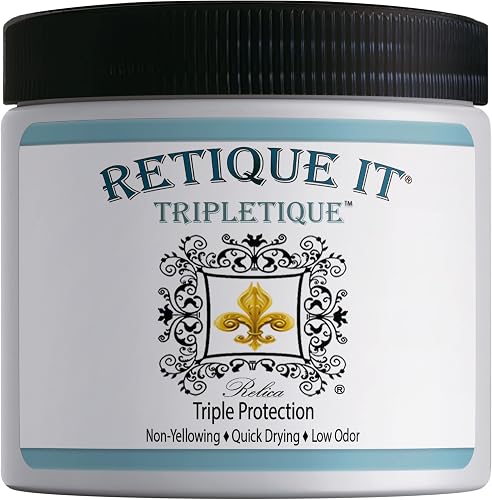
Best for: Someone trying to achieve a thick, clear, epoxy-like effect.
This water-based sealer acts as a potent alternative to traditional epoxy. It features 85% solids, a significant jump from the 40% found in standard polyurethanes. You can build up layers to create a deep, glass-like finish. It’s self-leveling and offers the versatility of being either brushed or sprayed onto your surface.
If you apply this product too heavily, you risk trapping air bubbles or creating uneven spots. To avoid this, apply thin, controlled coats rather than one thick layer. Because the formula is quick-drying, you can recoat every three hours, allowing you to reach that desired depth within a single day.
It isn’t for someone looking for a thin, traditional wipe-on varnish. The high solids content demands a steady hand to maintain a smooth surface.
Good if: * You want a thick, epoxy-like finish. * You need a self-leveling product. * You want a low-VOC, low-odor option.
Skip it if: * You want a very thin, natural-looking finish. * You aren’t comfortable with multi-layer application techniques.
8. Minwax Fast Drying Polyurethane Protective Wood Finish

Best for: Someone needing a proven, classic, durable oil-based finish.
This is a traditional oil-based coating that offers high durability against scratches and spills. It adds a warm, amber beauty to wood, which is ideal for floors, cabinets, and furniture.
It isn’t for those who want a crystal-clear, non-yellowing finish. Because it’s oil-based, it will darken. While marketed as fast-drying, it still requires 4 to 6 hours between coats.
Always apply this product with a high-quality natural or foam brush to ensure an even coat.
Good if: * You want a warm, classic look. * You need maximum durability for high-traffic areas. * You’re working on floors or cabinets.
Skip it if: * You want to keep the wood’s original light color. * You need a project finished in a single day.
9. Varathane Triple Thick Polyurethane Gloss Wood Finish
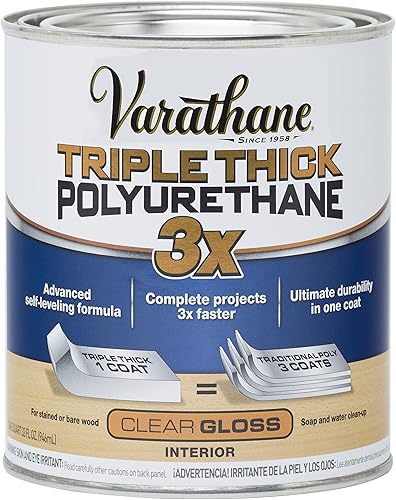
Best for: Someone who wants to get the job done with a single application.
This water-based formula is designed for single-coat coverage. It provides excellent scratch and stain resistance while drying to the touch in a very short window. It’s an efficient way to protect interior wood surfaces like furniture, doors, and trim.
The product covers up to 50 square feet. Because it’s a “triple thick” formula, you must apply it carefully to avoid runs. It’s much heavier than standard polyurethanes, so use a light touch to prevent uneven buildup.
If you’re working on intricate carvings, skip this product. A thick coat will likely pool in the crevices, ruining the detail. You should also avoid this if you prefer building up many thin, hand-rubbed layers, as this finish is meant for immediate, heavy-duty protection.
Good if: * You want to save time with a product that provides full coverage in a single application. * You need a high-gloss finish that enhances natural wood beauty. * You’re finishing large, flat interior furniture or trim.
Skip it if: * You want to build up many thin, subtle layers. * You’re working on detailed carvings where a thick coat might pool.
10. General Finishes Flat Out Flat Topcoat

Best for: Someone who wants a flat, matte look for chalk or milk paint.
This topcoat is specifically formulated to preserve the look and feel of chalk and milk paint. It adds durability without changing the color or adding the shine of a satin or gloss finish. It cleans up easily with soap and water.
Like other clear coats, it shouldn’t be used over bright white paint due to the risk of yellowing. If you’re working with light colors, expect a similar reaction, though the shift is typically less noticeable. It isn’t for someone who wants a traditional, shiny, or polished finish.
Good if: * You’re using chalk or milk paint. * You want a matte, flat appearance. * You need easy water-based cleanup.
Skip it if: * You want a shiny, glossy finish. * You’re working on bright white surfaces.
Always test on a small, inconspicuous area first if you’re unsure how your specific paint will react. If you notice a color shift during the test, stop immediately to avoid ruining the entire project.
Where These Overlap
The products listed here fall into two main camps: water-based, clear-drying finishes and oil-based, ambering finishes. Products like Minwax Polycrylic Finish and Varathane Ultimate Polyurethane are close in performance; both offer fast drying times and soap-and-water cleanup. Choosing between them often comes down to brand preference or specific availability. Similarly, General Finishes Arm-R-Seal and Minwax Fast Drying Polyurethane are both classic oil-based choices that provide that traditional, warm look and high durability.
The differences become clear when you look at application needs. If you need to avoid drips on a vertical surface, Bartley Gel Clear Coat is distinct from the liquid-based polyurethanes. If you’re looking for a heavy, epoxy-like build, Retique It Tripletique stands alone compared to the thin-film finishes. Most users should focus on whether they want the ease and clarity of water-based products or the rich, warm, and long-lasting durability of oil-based formulas.
Still Not Sure?
How often will I really use this?
If you’re a casual DIYer working on a small craft, you likely don’t need a quart of professional-grade sealer. You should look for something that’s easy to store and has a long shelf life. For small, individual projects, a water-based product like Minwax Polycrylic Finish is ideal because it cleans up easily and doesn’t require harsh chemicals to manage. If you’re finishing a large set of cabinets, you need something more robust, such as General Finishes High Performance.
What do I already own that this must work with?
If you have already applied an oil-based stain, you should generally stay within the oil-based family for your topcoat to ensure the best bond and look, such as General Finishes Arm-R-Seal. Mixing water-based topcoats over oil-based stains can sometimes lead to adhesion issues if the stain isn’t fully cured. Always check the manufacturer’s surface preparation guidelines to ensure your chosen topcoat is compatible with the stain you have already used.
What am I most likely to regret choosing?
The most common regret comes from choosing the wrong sheen or the wrong base. If you want a perfectly clear, “invisible” look, you’ll regret choosing an oil-based product like Minwax Fast Drying Polyurethane, as it will inevitably add a warm, yellow tint. Conversely, if you want that rich, deep, classic look for a mahogany or walnut piece, you’ll regret choosing a flat, water-based product like General Finishes Flat Out. Always consider the final visual effect you want before buying.
The choice between these topcoats ultimately rests on your project’s specific needs for clarity versus warmth and speed versus durability. If you prioritize a fast, clear, and easy-to-use water-based finish, Minwax Polycrylic Finish is a reliable choice for most interior projects. If you need a traditional, durable, oil-based finish that enhances the wood’s natural color, General Finishes Arm-R-Seal is the way to go. Start by identifying your stain type, and you’ll find your match.
Related guides
- 10 Best Finish for Rosewood Options for Every Project Type in 2026
- 7 Best Paint for Shower Floor Options for a Durable Finish in 2026
- 5 Best Gel Stain for Fiberglass Door Options Reviewed in 2026
Frequently Asked Questions
Can I apply a water-based topcoat over an oil-based gel stain?
Yes, you can, but you must ensure the oil-based stain is completely cured first. Most manufacturers recommend waiting until the oil stain is thoroughly dry. If the stain is still off-gassing or feels oily to the touch, the water-based topcoat may fail to adhere properly. Always perform a test on a hidden area first to ensure there’s no beading or separation before you apply it to your entire project.
Which topcoat is best for a high-traffic floor?
For high-traffic areas like floors, an oil-based polyurethane is generally preferred for its superior hardness and durability. Minwax Fast Drying Polyurethane is specifically formulated for this purpose. While some water-based products offer high durability, the oil-based chemistry provides a thicker, more resilient film that stands up better to the constant friction of foot traffic, scratches, and spills common in busy hallways or living rooms.
Does a gel topcoat require sanding between layers?
Most gel topcoats, such as Bartley Gel Clear Coat, are designed to be applied without the need for sanding between coats, which simplifies the process significantly. Always check the specific instructions on the container, as some thicker polyurethanes may suggest a light scuff-sand to improve the bond of the next layer.
How do I avoid yellowing on white-painted furniture?
To avoid yellowing, you should strictly avoid oil-based topcoats, as they naturally amber and darken. Even some water-based topcoats can react with certain white paints. General Finishes Flat Out and other specialized water-based finishes are designed to minimize this, but the best approach is to use a non-yellowing, water-based polycrylic.
Conclusion
Before you commit to a full project, test your chosen sealer on a scrap piece of wood stained with the same color. This simple check ensures the finish won’t yellow or peel over time. You’ll feel much more confident once you see how the final layer looks, so don’t skip this quick step.