
When planning a family vacation or a romantic getaway, many travelers weigh the options between a trip to Bullfrog Marina and a visit to Hot Springs National Park. The cost difference is significant, with lodging in Bullfrog typically ranging from $150 to $450 per night for a marina cabin, while Hot Springs offers historic bathhouse stays between $200 and $600 nightly depending on the season and room amenities. Understanding these financial realities helps set expectations before you book your tickets. Both destinations offer unique geological wonders and recreational activities, but they cater to vastly different travel styles and interests. Whether you prefer the arid beauty of a desert reservoir or the lush, steamy forests of an ancient thermal valley, knowing the specific pros and cons of each location ensures a smoother journey. This guide breaks down the geography, activities, costs, and practical logistics to help you decide which destination fits your next adventure best.
Key Takeaways
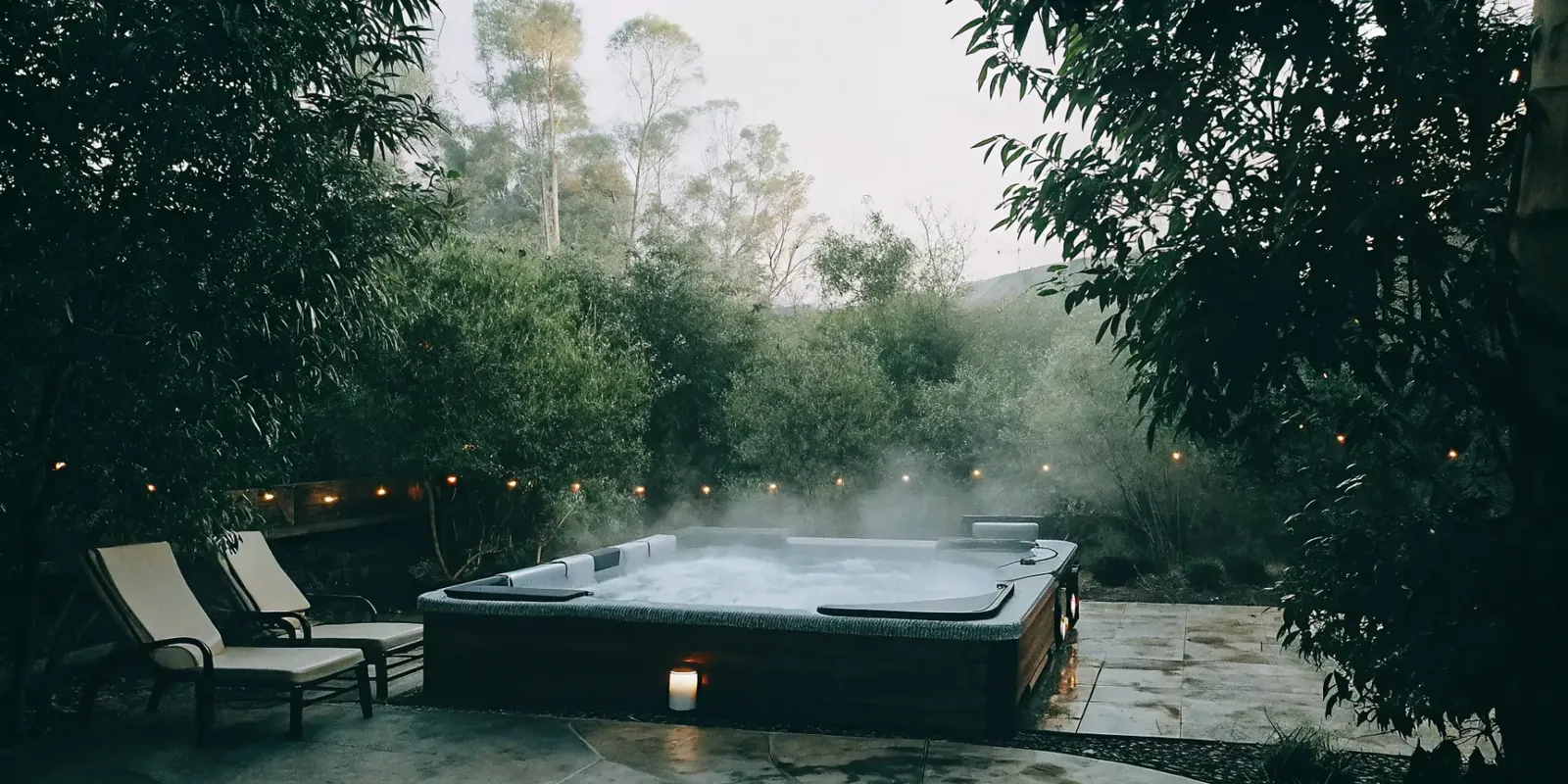
- Bullfrog focuses on water sports and desert landscapes at Lake Powell, while Hot Springs centers on thermal baths and forest hiking in Arkansas.
- Accommodation at Bullfrog ranges from rustic cabins to houseboats, whereas Hot Springs features historic hotels and modern resorts near downtown.
- Entry fees for Bullfrog are minimal for day use, but Hot Springs requires paid parking and ticketed entry for some bathhouse experiences.
- Bullfrog is ideal for boating and fishing enthusiasts, while Hot Springs suits those seeking relaxation and spa treatments.
- The climate in Bullfrog is hot and dry, demanding sun protection, while Hot Springs has humid summers and mild winters suitable for year-round visits.
- Bullfrog requires a vehicle to access most trails, but Hot Springs allows walking to major attractions within the city limits.
What Defines Each Destination?
The fundamental difference lies in the landscape and primary attraction. Bullfrog Marina serves as a gateway to Lake Powell, a massive reservoir formed by the Glen Canyon Dam on the Colorado River. It’s characterized by red sandstone cliffs, deep blue water, and a rugged desert environment.
In contrast, Hot Springs National Park is located in the Ouachita Mountains of Arkansas and is defined by its natural thermal springs that have been protected since 1832. The park surrounds a bustling town where visitors can bathe in mineral-rich waters that emerge from the ground at 143 degrees Fahrenheit. While both locations involve water, the experience at Bullfrog is about navigating a vast lake, whereas Hot Springs is about soaking in geothermal history.
Geography and Climate Differences
Bullfrog sits in a high desert climate with scorching summers and cool winters. Temperatures frequently exceed 100°F in July and August, making midday outdoor activity challenging without shade. Conversely, Hot Springs experiences a humid subtropical climate with four distinct seasons. Summers are warm and muggy, often reaching the upper 90s, while winters are generally mild with occasional snowfall.
The vegetation also differs significantly; Bullfrog features sparse desert scrub and Joshua trees, while Hot Springs is covered in dense hardwood forests and evergreen pines. These environmental factors dictate what gear you need to pack, from heavy-duty sunscreen for the desert to layered clothing for the mountain air.
How Do Activities Compare?
The range of things to do varies dramatically between the two sites. At Bullfrog, the itinerary revolves around the water. Visitors rent pontoon boats, jet skis, or kayaks to explore hidden coves and swim off the back of their vessels. Fishing for striped bass, largemouth bass, and catfish is a major draw here. Hiking is available but limited to trails like the Bullfrog Basin Trail, which offers views of the marina and surrounding cliffs.
Hot Springs offers a completely different mix. The primary activity is visiting the Bathhouse Row, where you can tour historic buildings or purchase treatments at the Buckstaff Bathhouse or Quapaw Baths & Spa. Beyond the spas, the park offers over 26 miles of hiking trails through the forest, including the popular Hot Springs Mountain Tower hike for panoramic views.
Bullfrog Water Sports Versus Hot Springs Soaking
| Feature | Bullfrog Marina | Hot Springs National Park |
|---|---|---|
| Primary Activity | Boating, Kayaking, Swimming | Soaking, Spas, Walking |
| Water Type | Freshwater Reservoir (Colorado River) | Natural Thermal Spring Water |
| Best For | Adventure, Fishing, Sunbathing | Relaxation, Health, History |
| Equipment Needed | Boat rental, Life jackets, Cooler | Swimwear, Towel, Robe |
| Seasonality | Peak: May to September | Year-Round (Best: Spring/Fall) |
This table highlights the core divergence in visitor engagement. If you seek adrenaline and wide-open spaces, Bullfrog is the clear winner. If you prefer a slower pace focused on wellness and cultural heritage, Hot Springs provides the necessary infrastructure. Many travelers find that trying to combine both into a single trip is impractical due to the distance involved, so choosing one based on your primary goal is essential.
Where Can You Stay Overnight?

Accommodation options reflect the character of each location. Bullfrog offers several lodging choices managed by the National Park Service concessionaires, including the Bullfrog Lodge and various campgrounds. Rooms are functional and often overlook the water, but they lack luxury amenities. Campers can stay in RV parks with hookups or tent sites near the shore.
For a unique experience, many visitors charter a houseboat from nearby marinas, though this requires advance booking and a higher budget. Hot Springs boasts a wider variety of lodging, from the grand, historic Arlington Resort Hotel to modern chain hotels in the surrounding area. There are also numerous bed and breakfasts and boutique inns within walking distance of the bathhouses. Camping is available at Gulpha Gorge Campground, which is nestled deep in the forest.
Cost and Booking Strategies
Booking at Bullfrog requires planning months in advance, especially for the summer season when demand peaks. Prices fluctuate based on proximity to the water and the time of year. Hot Springs accommodations tend to be more expensive during festival seasons, such as the Hot Springs Marathon or Halloween events, but generally have more availability year-round.
Pro Tip: When staying at Bullfrog, verify if your rental includes a boat or if you need to arrange separate transportation to the water, as the marina can be a mile or more from some lodging units.
What Are the Dining Options?
Food availability is another critical factor for travelers. Bullfrog has limited dining choices, primarily centered around the marina restaurant and bar. The menu typically features standard American fare like burgers, sandwiches, and pizza, designed to satisfy hungry boaters after a day on the water. There are no grocery stores directly at the marina, so visitors must bring their own supplies or drive to nearby towns like Page, Arizona, for better selection.
Hot Springs, being a full-fledged city, offers a diverse culinary scene. You can find everything from upscale Southern cuisine and farm-to-table restaurants to casual diners and international eateries. The downtown area is walkable, allowing you to hop between cafes and bars easily. Grocery stores and specialty shops are abundant, making self-catering simple if you prefer.
How Much Does It Cost to Visit?
Beyond accommodation, daily expenses differ. Bullfrog involves costs for boat rentals, fuel, and fishing licenses. A half-day pontoon rental can run between $300 and $500, plus fuel. Day-use fees for the marina are nominal, usually under $10 per vehicle. Hot Springs has free entry to the national park itself, but specific attractions cost money. Parking in the main lot is free, but street parking may require payment.
Bathhouse treatments range from $50 to $150 per person depending on the package. Guided tours of the Fordyce Bathhouse are free, but special exhibits may have a fee. Overall, a trip to Hot Springs can be more affordable if you stick to hiking and free tours, whereas Bullfrog becomes expensive quickly once you add watercraft rentals.
Is Transportation Easy?
Getting to and around these locations presents different challenges. Bullfrog is remote, located in southern Utah near the Arizona border. Most visitors fly into Las Vegas or Phoenix and drive three to four hours. Once there, a personal vehicle is mandatory to reach the marina, trails, and nearby services. Public transport is non-existent.
Hot Springs is more accessible, located about two hours from Little Rock, Arkansas. The city is compact and walkable, meaning you can leave your car parked at your hotel and explore the entire downtown area on foot. However, if you plan to hike the extensive trail system or visit outlying areas, a car is still recommended.
Travel Logistics Summary
| Aspect | Bullfrog Marina | Hot Springs National Park |
|---|---|---|
| Nearest Major Airport | Las Vegas (LAS) or Phoenix (PHX) | Little Rock (LIT) |
| Drive Time from Airport | 3.5 – 4.5 Hours | 2 – 2.5 Hours |
| Local Transport | Car Required | Walkable / Car Recommended |
| Fuel Availability | Limited at Marina | Abundant in City |
| Cell Service | Spotty to Non-existent | Generally Good |
Related guides
- 10 Best Space Heaters for Hot Yoga: Our Expert Picks
- 10 Best Space Heaters Not Hot to Touch for Safe Heating
- How to Fix Springs in a Chair: Step-by-Step Repair Guide
Frequently Asked Questions
Which destination is better for families with young kids?
Hot Springs is generally safer and more convenient for families with young children due to its walkable downtown, shallow wading areas, and controlled bathing facilities. Bullfrog involves significant risks with deep water and requires constant supervision during boating activities.
Can I swim in the thermal springs at Hot Springs?
No, swimming in the natural thermal springs is prohibited to protect the resource and ensure safety. However, you can bathe in the treated thermal water at licensed bathhouses like the Buckstaff or Quapaw.
How far is Bullfrog from the Grand Canyon?
Bullfrog is approximately 90 miles north of the Grand Canyon’s South Rim, making it a viable side trip for those visiting the canyon who want to spend time on the water.
Are pets allowed at both locations?
Pets are allowed in designated areas at both locations but must be leashed. At Bullfrog, they’re restricted from certain beaches and boat decks, while in Hot Springs, they can’t enter the bathhouses or specific trails.
What is the best time of year to visit Bullfrog?
The best time to visit Bullfrog is late spring (May-June) or early fall (September-October) to avoid extreme summer heat while still enjoying warm water temperatures for swimming.
Do I need reservations for Hot Springs bathhouses?
Yes, reservations are highly recommended for popular bathhouses like the Buckstaff, especially on weekends and holidays, as they operate on a scheduled appointment basis.
If you prioritize water adventures and vast desert scenery, choose Bullfrog for an active, nature-focused escape. However, if you seek relaxation, history, and a walkable town atmosphere, Hot Springs offers a superior experience for unwinding.
National Park Service
Conclusion
Whichever spot you choose, pack your bags with excitement and leave the stress behind. Don’t forget to check the weather forecast before you head out, since conditions change fast in both places. Your perfect getaway is just a booking away, so grab your map and start planning today!