
Are you worried about your pool’s pH levels after shocking it? You’re not alone.
Many pool owners ask, “Will shocking my pool raise the pH? ” Keeping your pool water balanced is key to a safe and enjoyable swim. If the pH swings too high or too low, it can cause skin irritation, damage your pool equipment, and reduce the effectiveness of your sanitizer.
You’ll discover how shocking affects your pool’s pH and what you can do to keep your water perfectly balanced. Keep reading to learn simple tips that will help you maintain crystal-clear, healthy pool water every time.
Credit: www.swimuniversity.com
How Shock Treatment Affects Pool Ph
Shock treatment is a common method to keep pool water clean and clear. It helps remove bacteria, algae, and other contaminants. But shocking the pool also changes the water’s chemistry, especially the pH level. Understanding how shock affects pH helps maintain balanced water and a safe swimming environment.
Types Of Pool Shock
Pool shock comes in several types. The most common are chlorine-based shocks and non-chlorine shocks. Chlorine shocks include calcium hypochlorite and lithium hypochlorite. These raise chlorine levels quickly and can increase pH. Non-chlorine shocks use potassium monopersulfate. This type usually does not affect pH as much.
Chemical Reactions In Water
When shock is added, chemicals react with water and contaminants. Chlorine shock breaks down organic matter and kills bacteria. This reaction produces compounds that can raise pH temporarily. Non-chlorine shock oxidizes without releasing chlorine. It does not cause a strong pH rise but helps clean the water effectively.
Impact On Alkalinity
Alkalinity acts as a buffer for pH changes. Shock treatments can lower alkalinity, making pH more unstable. Low alkalinity causes pH to swing more easily, which can harm pool surfaces and swimmers. Regular testing and adjustment keep alkalinity balanced after shocking.
Signs Of Ph Imbalance After Shocking
Shocking a pool can affect its pH levels. Sometimes, the pH balance shifts too high or too low. This imbalance causes several noticeable problems. Knowing the signs helps you fix issues early. It keeps the pool safe and clean for swimmers.
Cloudy Water
Cloudy water often shows pH is off. When pH rises after shocking, particles clump and float. This makes the water look murky. Swimmers may find it hard to see the bottom. Cloudy water can also mean the sanitizer is less effective.
Skin And Eye Irritation
High or low pH can irritate skin and eyes. Swimmers may feel itching or burning. Red, watery eyes are a common sign. The wrong pH disrupts the water’s comfort. Keeping pH balanced avoids these uncomfortable reactions.
Equipment Corrosion
Corrosion happens when pH stays too low. Pool parts like ladders and pumps may rust. This damages equipment and shortens its life. High pH can cause scaling, which also harms equipment. Proper pH levels protect your pool tools and save money.
Quick Methods To Lower Ph
Keeping your pool’s pH balanced is key to clean and safe water. High pH can cause cloudy water and reduce chlorine’s power. Quick action helps protect your pool and swimmers. Here are simple ways to lower pH fast.
Using Ph Reducers
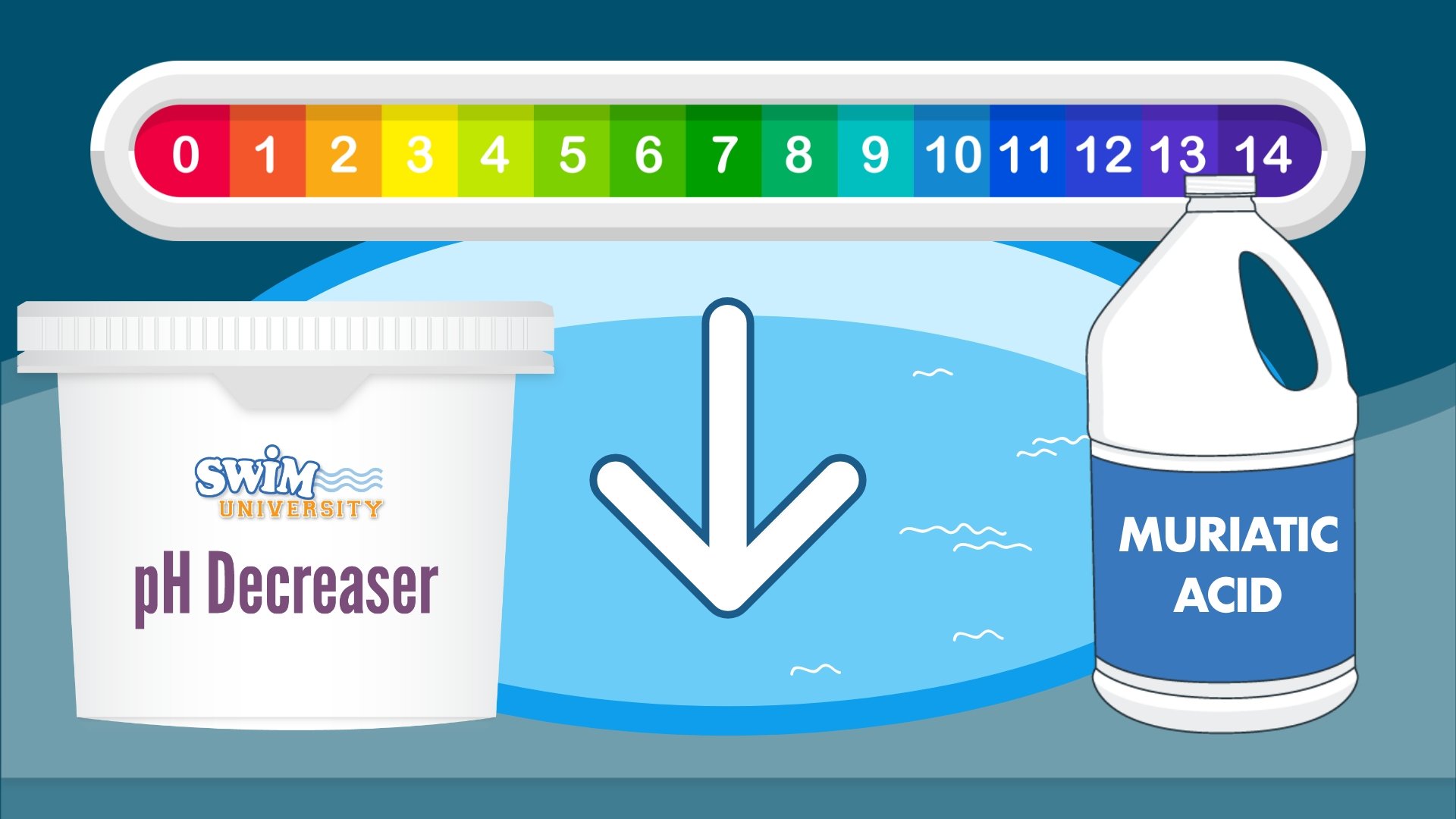
pH reducers are chemicals made to lower pool pH quickly. They usually come as powders or liquids. Measure your pool’s pH before adding any product. Follow the instructions carefully for the best results. Add the reducer near the water return for better mixing. Wait a few hours and retest the pH to see the change.
Adding Muriatic Acid Safely
Muriatic acid is a strong acid that lowers pH fast. Handle it with care. Wear gloves and eye protection before use. Always add acid to water, never water to acid. Pour slowly around the pool edge. Keep people and pets away during treatment. Test pH after a few hours to check levels.
Natural Alternatives
Some pool owners prefer natural ways to lower pH. Vinegar is a mild acid that can help in small pools. Use it in moderation and test the water often. Aeration, like using fountains or waterfalls, can also reduce pH over time. These methods take longer but are safer for the environment.

Credit: www.amazon.com
Ways To Raise Ph Fast
Raising the pH in your pool quickly is important to keep the water balanced and safe. Low pH can cause corrosion and skin irritation. Fast methods help restore the right level, keeping swimmers comfortable and protecting pool equipment. Here are some effective ways to raise pH fast.
Applying Soda Ash
Soda ash, also called sodium carbonate, is a common chemical to raise pH. It works quickly by neutralizing acidity in the water. Add soda ash directly to the pool water at the deep end. Spread it evenly to avoid clumps. It dissolves fast and lifts pH levels within a few hours.
Baking Soda Benefits
Baking soda, or sodium bicarbonate, mainly raises alkalinity but slightly increases pH too. It stabilizes pH and prevents sudden drops. Use baking soda if your pool’s pH is low and alkalinity needs support. It is gentle and safe for pool surfaces and swimmers.
Proper Dosage Tips
Measure chemicals carefully. Adding too much soda ash or baking soda can raise pH too high. Start with small amounts and test water after a few hours. Adjust dosage based on pool size and current pH level. Follow product instructions for best results and safe swimming conditions.
Maintaining Balanced Pool Water
Maintaining balanced pool water is key to a clean and safe swimming environment. Proper balance keeps the water clear and protects pool equipment. It also helps swimmers avoid skin and eye irritation. Understanding the right steps can make pool care easier.
Regular Testing Schedule
Test pool water at least twice a week. Use a reliable test kit to check pH and chlorine levels. Early detection of changes prevents bigger problems. Keep a log of your test results. This helps track trends and adjust treatments quickly.
Adjusting Alkalinity First
Start by balancing total alkalinity before changing pH. Alkalinity acts as a buffer for pH swings. If alkalinity is off, pH will be unstable. Use alkalinity increaser or reducer as needed. This step makes pH adjustments more effective and lasting.
Avoiding Common Mistakes
Never shock the pool without testing pH first. Shocking can raise pH unexpectedly. Avoid adding chemicals all at once. Add small amounts and retest after each. Do not ignore cloudy water or skin irritation. These signs point to imbalance needing attention.
Expert Tips For Pool Water Stability
Keeping pool water stable is key to safe swimming. Proper water balance helps prevent problems like cloudy water or skin irritation.
Here are expert tips to maintain stable pool water. Follow them to enjoy a clean and healthy pool all season.
Consistent Shock Practices
Shock your pool regularly to remove contaminants. Use the right amount of shock for your pool size. Avoid shocking too often or too little. Always test water before and after shocking. This keeps chlorine levels balanced and helps control pH.
Optimizing Circulation
Good water flow spreads chemicals evenly. Run your pool pump long enough each day. Check that all jets and drains work properly. Clean filters regularly to keep water clear. Proper circulation helps maintain stable pH and prevents algae growth.
Using Stabilizers Effectively
Stabilizers protect chlorine from sunlight. Add the right amount based on your pool size. Too much stabilizer can cause chemical imbalance. Test stabilizer levels monthly to keep them in range. Proper use extends chlorine life and supports water stability.

Credit: www.reddit.com
Frequently Asked Questions
Does Shocking A Pool Increase Its Ph Level?
Shocking a pool can raise pH slightly, but it’s not the main purpose of shocking.
How Does Pool Shock Affect Water Chemistry?
Pool shock kills bacteria and clears cloudy water, sometimes causing a small pH rise.
Can I Lower Ph After Shocking My Pool?
Yes, use pH reducers like muriatic acid to balance pH after shocking.
How Often Should I Shock My Pool To Control Ph?
Shock your pool regularly, but test pH first to decide if adjustment is needed.
Does Shocking A Pool Raise Alkalinity Too?
Shocking mainly affects chlorine levels, with little to no direct impact on alkalinity.
What Type Of Shock Raises Pool Ph The Least?
Non-chlorine shock products tend to raise pH less than chlorine-based shocks.
Conclusion
Shocking a pool can affect its pH, but not always raise it. Pool shock usually lowers pH because it adds acid to water. Testing pH after shocking helps keep water balanced and safe. Keeping pH in the right range prevents skin irritation and equipment damage.
Regular checks and adjustments keep your pool clean and clear. Understanding pool chemistry makes maintenance easier and more effective. Simple steps lead to better water quality and a great swimming experience.