
Is your pool water looking cloudy and unclear? You might be surprised to learn that low alkalinity could be the hidden cause behind this problem.
When your pool’s alkalinity is off balance, it can affect the water’s clarity and make your swimming experience less enjoyable. If you want to know how low alkalinity impacts your pool and what you can do to fix it quickly, keep reading.
This simple change could be the key to sparkling, crystal-clear water every time you dive in.
_Pool_water_chemistry_101.png)
Credit: www.baracuda.com.au
What Is Alkalinity In Pools
Alkalinity in pools measures the water’s ability to resist changes in pH. It acts as a buffer, keeping the water stable. Proper alkalinity helps maintain clean and clear water. Low alkalinity can lead to water problems, including cloudiness.
Understanding alkalinity is key to good pool care. It protects your pool from sudden pH swings. This stability supports the effectiveness of sanitizers and prevents damage to pool surfaces.
Role Of Alkalinity In Water Balance
Alkalinity helps balance the pool’s chemistry. It prevents the water from becoming too acidic or too basic. Balanced water protects pool equipment and surfaces. It also keeps swimmers comfortable. Without proper alkalinity, pH levels can change quickly, causing cloudy water.
Ideal Alkalinity Levels
The ideal alkalinity range for pools is 80 to 120 ppm (parts per million). Staying within this range keeps the water stable. Low alkalinity allows pH to drop, making water corrosive and cloudy. High alkalinity can cause scaling and cloudy water too. Regular testing helps maintain the right alkalinity level.
Causes Of Cloudy Pool Water
Cloudy pool water is a common problem for many pool owners. It makes the pool look dirty and less inviting. Understanding the causes helps keep water clear and safe.
Several factors can cause cloudiness. These include chemical imbalances, dirt, and equipment issues. Proper pool care can prevent most problems.
Low Alkalinity Effects
Low alkalinity causes water to become unstable. It leads to pH levels that jump up and down. This instability can cause cloudy water.
When alkalinity is low, pool water can become corrosive. It can damage pool surfaces and equipment. Cloudiness happens as particles float in the water.
Low alkalinity also reduces chlorine effectiveness. Chlorine works less well to kill bacteria and algae. This allows tiny particles and microorganisms to grow, making water hazy.
Other Common Factors
Dirt and debris are usual causes of cloudy water. Leaves, dust, and pollen enter pools and stay suspended. Filters must remove these particles to clear water.
High calcium hardness can cause cloudy water too. When calcium levels are too high, it forms tiny crystals. These crystals make water look milky or cloudy.
Algae growth also clouds pool water. Poor sanitation or low chlorine lets algae grow fast. Algae makes water greenish and murky.
Equipment problems like dirty filters or poor circulation add to cloudiness. Proper maintenance ensures filters trap particles well. Good water flow spreads chemicals evenly to keep water clear.
How Low Alkalinity Leads To Cloudiness
Low alkalinity in pool water can cause it to turn cloudy. Alkalinity acts as a buffer that keeps the water’s pH level steady. Without enough alkalinity, the water chemistry becomes unstable.
This instability affects how particles and chemicals behave in the pool. These changes can cause tiny particles to clump together. These clumps float in the water, making it look cloudy.
Impact On Ph Stability
Alkalinity helps keep pH levels from changing quickly. When alkalinity is low, pH can swing up or down fast. These swings make it hard to keep the water balanced.
Unstable pH can cause minerals and metals to form solids. These solids do not dissolve well and create a cloudy look. Keeping alkalinity in the right range stops this problem.
Effects On Water Chemistry
Low alkalinity changes how chemicals react in the pool. Chlorine works less effectively and breaks down faster. This lowers the pool’s ability to kill bacteria and algae.
Also, calcium and other minerals may start to precipitate out. These particles float and cause water cloudiness. Proper alkalinity helps keep these minerals dissolved.
Testing And Adjusting Alkalinity
Maintaining proper alkalinity is key to clear pool water. Testing and adjusting alkalinity helps keep water balanced and prevents cloudiness. Regular checks avoid problems that low alkalinity can cause. Simple steps make it easy to keep your pool water clean and safe.
How To Test Alkalinity
Start by using an alkalinity test kit from a pool store. Fill a clean container with pool water. Add the test solution as per the kit instructions. Watch the color change carefully. Match the color to the chart provided. The ideal range is between 80 and 120 ppm. Record your results for future reference.
Steps To Raise Alkalinity
Buy sodium bicarbonate, also known as baking soda, to raise alkalinity. Calculate the amount needed based on pool size and current alkalinity. Spread the baking soda evenly across the pool surface. Run the pool pump to mix the water well. Wait 4 to 6 hours before retesting alkalinity. Repeat the process if levels are still low. Keep adjusting until the alkalinity is in the correct range.
Preventing Cloudy Pools
Preventing cloudy pools is key to enjoying clear, safe water. Cloudiness often results from unbalanced chemicals and poor maintenance. Keeping your pool clean and clear takes steady care and attention. Simple steps can stop cloudiness before it starts.
Maintaining Balanced Chemicals
Low alkalinity can cause cloudy water by upsetting the chemical balance. Test your pool water regularly to check alkalinity, pH, and chlorine levels. Keep alkalinity in the recommended range, usually 80-120 ppm. Adjust chemicals slowly to avoid sudden changes. Balanced chemicals help water stay clear and prevent scale or stains.
Regular Pool Maintenance Tips
Skim debris from the surface daily to stop dirt buildup. Brush pool walls and floors weekly to prevent algae growth. Vacuum the pool regularly to remove settled dirt. Clean or backwash filters as needed to keep water flowing well. Check water levels and top off if low to keep the pump working properly.

Credit: waterguru.com
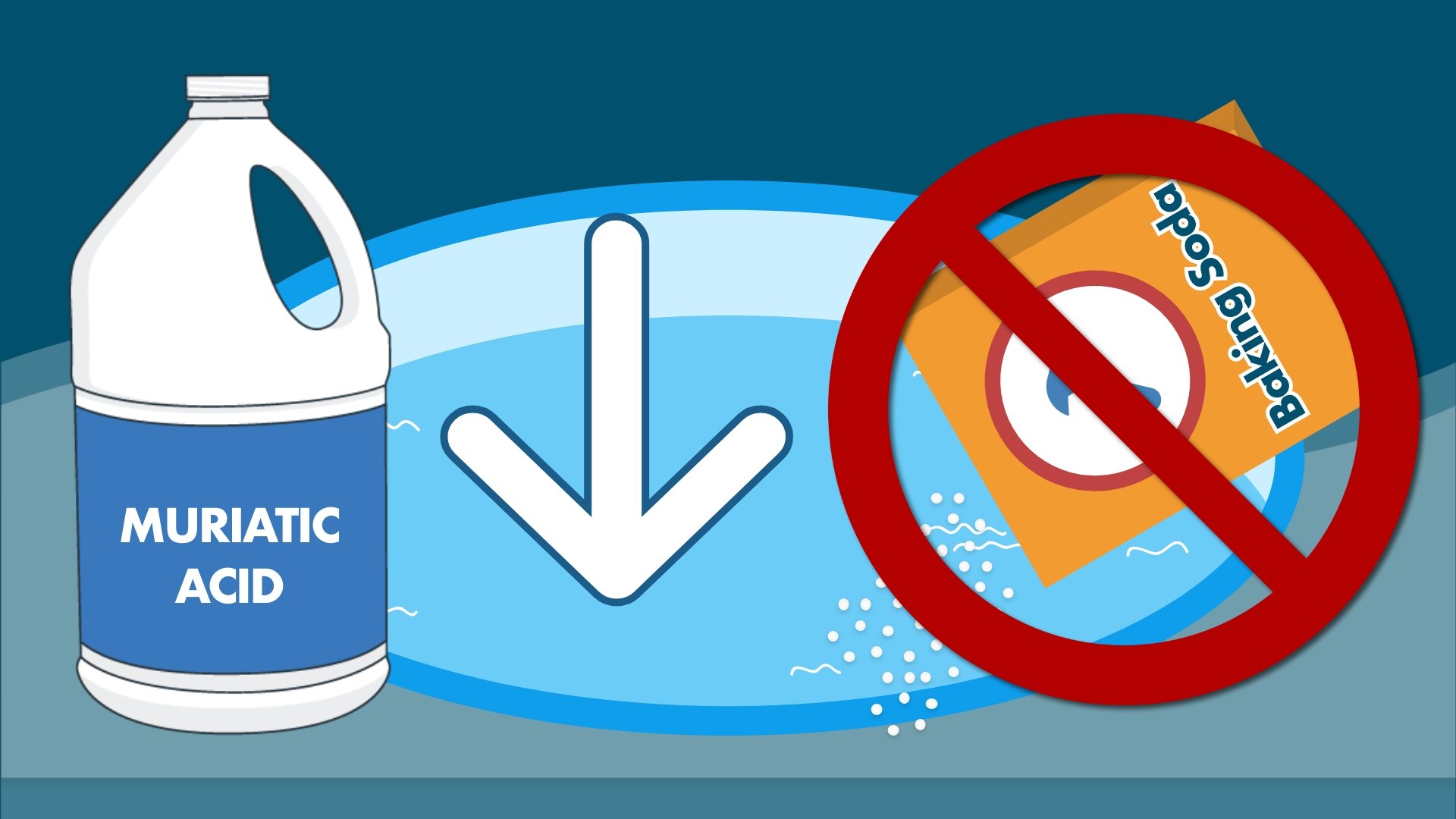
Credit: www.swimuniversity.com
Frequently Asked Questions
What Causes Low Alkalinity In Pool Water?
Low alkalinity usually happens due to rain, water refills, or chemical imbalances.
How Does Low Alkalinity Affect Pool Clarity?
Low alkalinity can cause cloudy water by upsetting pH balance and causing particles to clump.
Can Low Alkalinity Lead To Pool Water Damage?
Yes, it can corrode pool surfaces and equipment if not corrected quickly.
How To Test Alkalinity Levels In A Pool?
Use a pool test kit or strips to measure total alkalinity accurately.
What Is The Ideal Alkalinity Range For Pools?
Keep alkalinity between 80-120 ppm for clear, balanced pool water.
How To Raise Low Alkalinity In My Pool?
Add baking soda or alkalinity increaser to the pool and retest after mixing.
Conclusion
Low alkalinity can cause your pool water to turn cloudy. It affects water balance and clarity. Keeping alkalinity in the right range helps prevent cloudiness. Test your pool water regularly to catch problems early. Adjust alkalinity with proper chemicals for clear water.
Clear water makes swimming safer and more enjoyable. Simple care keeps your pool sparkling all season. Don’t ignore alkalinity—it matters for pool health.