
Choosing the right wood for your project can feel overwhelming. You might be wondering: Should you go with whitewood or pine?
Both are popular choices, but they have key differences that can affect your results. Understanding these differences will save you time, money, and frustration. You’ll discover what makes whitewood and pine unique, so you can confidently pick the best option for your needs.
Keep reading—you’re about to make a smarter decision for your next project.
Credit: www.h2ouse.org
Wood Characteristics
Wood characteristics define how wood looks and performs. These traits guide choices for furniture, flooring, and construction. Whitewood and pine differ in grain, color, and strength. Understanding these features helps pick the right wood for any project.
Grain And Texture
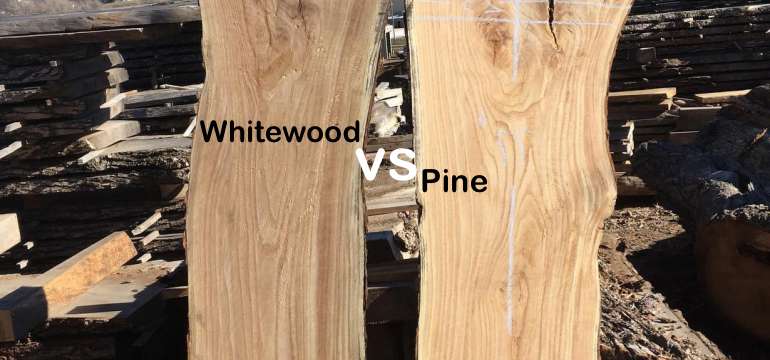
Whitewood has a straight, even grain. Its texture feels smooth and soft to touch. Pine shows a more varied grain pattern. It can have knots and swirls, adding character. Pine’s texture is slightly rougher than whitewood’s.
Color And Appearance
Whitewood is pale and creamy in color. It often looks clean and bright. Pine ranges from light yellow to warm brown. Its knots create a rustic, natural look. Both woods can be stained or painted easily.
Hardness And Durability
Whitewood is softer and less dense. It dents and scratches more easily. Pine is harder and more durable. It stands up better to wear and tear. Both woods need sealing to protect from moisture.
Workability
Workability is key when choosing wood for any project. It measures how easy the wood is to cut, shape, fasten, and finish. Both whitewood and pine are popular choices, but they behave differently during work.
Cutting And Shaping
Whitewood cuts smoothly with most tools. It holds its shape well and does not splinter easily. Pine is softer and cuts even easier. It shapes quickly but can dent if not handled carefully.
Nailing And Screwing
Whitewood holds nails and screws firmly. It reduces the risk of splitting during fastening. Pine is softer, so nails can split the wood if placed too close to edges. Pre-drilling holes helps pine hold screws better.
Sanding And Finishing
Whitewood sands evenly and accepts paint or stain well. Its tight grain gives a smooth finish. Pine sands quickly but may show blotches when stained. Using a conditioner before staining improves pine’s finish.
Cost And Availability
Cost and availability are key factors when choosing wood for projects. Both whitewood and pine offer different benefits in these areas. Understanding their price and how easy they are to find helps you make the best choice for your needs.
Price Comparison
Whitewood is usually less expensive than pine. It costs less because it grows faster and is easier to harvest. Pine tends to have a higher price due to its popularity and stronger grain. For budget projects, whitewood offers good value. Pine might cost more but can add a nicer finish.
Sourcing And Supply
Whitewood is widely available in many regions. Its fast growth means suppliers can keep up with demand. Pine is also common but may be harder to find in some areas. It is often imported from specific forests, which can affect supply. Both woods are sold in most home improvement stores.

Credit: www.atlaneandhigh.com
Common Uses
Whitewood and pine serve many purposes in homes and workshops. Both woods have unique traits that suit different needs. Understanding their common uses helps choose the right wood for each project.
Furniture Making
Whitewood is popular for making light and simple furniture. It has a smooth surface that paints well. Pine is also common in furniture due to its warm color and strength. Both woods allow easy shaping and sanding. Pine offers a rustic look, while whitewood fits modern styles.
Construction And Framing
Whitewood is often used in construction for framing and beams. Its straight grain makes it strong and stable. Pine is widely used in framing homes and buildings. It handles nails and screws well. Both woods provide reliable support for structures.
Crafts And Diy Projects
Whitewood is great for crafts because it is lightweight and easy to cut. Pine works well for DIY projects due to its availability and workability. Both woods are perfect for small projects like shelves and boxes. They accept stains and paints nicely, adding color to crafts.
Environmental Impact
The environmental impact of wood choice matters for eco-friendly projects. Whitewood and pine have different effects on nature. Understanding these differences helps in making better decisions. This section explores sustainability and carbon footprint of both woods.
Sustainability
Pine grows faster than whitewood, making it more renewable. It often comes from plantations managed for constant regrowth. Whitewood grows slower and may come from older forests. Sustainable harvesting practices are more common with pine. Choosing wood from certified sources supports forest health.
Carbon Footprint
Both whitewood and pine store carbon during their growth. Pine’s faster growth means quicker carbon capture. Transport and processing add to each wood’s carbon footprint. Local sourcing reduces emissions linked to shipping. Pine usually requires less energy to process than whitewood. This can lower its overall carbon impact.
Maintenance And Longevity
Maintenance and longevity are key factors when choosing between whitewood and pine. Both woods have unique qualities that affect how long they last and how much care they need. Understanding these differences helps you keep your wooden items strong and beautiful for years.
Resistance To Decay
Whitewood has moderate resistance to decay. It can handle moisture better than pine but still needs protection from water damage. Pine is softer and more prone to rot if exposed to damp conditions. Both woods benefit from treatments that prevent decay and insect damage. Choosing the right wood depends on where you plan to use it and the environment it faces.
Care Tips
Regular cleaning keeps wood looking fresh. Use a soft brush or cloth to remove dirt and dust. Avoid harsh chemicals that can damage the wood surface. Applying a sealant or wood finish helps protect against moisture and stains. Check for signs of wear or damage often. Repair small cracks or chips quickly to avoid bigger problems. Proper care extends the life of both whitewood and pine furniture or structures.
Choosing The Right Wood
Choosing the right wood is key to a successful project. Different woods suit different needs. Whitewood and pine are popular choices. Each has unique traits that affect your final product. Understanding these differences helps you pick the best option.
Project Requirements
Think about what your project needs. Whitewood is soft and easy to shape. It works well for furniture and decorations. Pine is a bit harder and more durable. It suits flooring and structural work. Consider moisture exposure. Pine handles moisture better than whitewood. Match wood strength to your project’s use.
Budget Considerations
Cost affects your wood choice a lot. Whitewood is usually cheaper than pine. It fits well for low-cost or short-term projects. Pine costs more but lasts longer. It offers better value for lasting projects. Weigh initial cost against durability. Spend wisely based on your budget and needs.
Credit: www.diychatroom.com
Frequently Asked Questions
What Is The Main Difference Between Whitewood And Pine?
Whitewood is a general term for softwoods; pine is a specific type of softwood.
Which Wood Is Stronger, Whitewood Or Pine?
Pine is usually stronger and harder than whitewood, making it better for heavy use.
Is Whitewood Or Pine Better For Furniture Making?
Pine is preferred for furniture due to its durability and attractive grain.
How Does The Cost Of Whitewood Compare To Pine?
Whitewood is generally cheaper than pine, making it popular for budget projects.
Which Wood Is Easier To Paint, Whitewood Or Pine?
Whitewood is easier to paint because it has a smoother, less porous surface.
Are Whitewood And Pine Both Good For Indoor Use?
Yes, both woods work well indoors but pine resists wear better over time.
Conclusion
Whitewood and pine both offer good options for wood projects. Whitewood is lighter and often less expensive. Pine tends to be stronger and has a warmer color. Choosing depends on your budget and the look you want. Both types work well for furniture and crafts.
Think about how you will use the wood before deciding. This helps you get the best value and results. Simple, clear choices make your project easier and more enjoyable.