
When it comes to choosing the right wood for your project, you might find yourself stuck between white cedar and red cedar. Both offer unique benefits, but which one is truly the best fit for your needs?
Understanding the differences can save you time, money, and frustration down the road. You’ll discover the key features of white cedar and red cedar, so you can make a confident choice that matches your style, budget, and durability expectations. Keep reading to find out which cedar will work perfectly for your next project.
Credit: bplant.org
Characteristics Of White Cedar
White cedar is a popular wood choice known for its unique traits. This wood stands out for its light weight and pleasant aroma. It offers a blend of beauty and function that suits many projects. Understanding its key characteristics helps in choosing the right wood for your needs.
Below, we explore the main features of white cedar. Learn about its look, strength, and common uses.
Appearance And Texture
White cedar has a pale, creamy color with subtle variations. Its grain is fine and straight, giving a smooth surface. The texture feels soft and light to the touch. This wood often has a natural, fresh scent that many find calming.
Durability And Resistance
This wood resists decay well, making it good outdoors. It stands up to insects better than many other woods. White cedar does not crack or warp easily. It handles moisture fairly well but still needs some care to last long.
Common Uses
White cedar is used in siding and fencing for homes. It works well for outdoor furniture and garden structures. Many also use it for small crafts and decorative items. Its light weight makes it easy to work with on various projects.

Credit: lopcocontracting.com
Traits Of Red Cedar
Red cedar is a popular wood known for its unique traits. It has a rich look and strong natural properties. These traits make it valuable for many uses. Understanding red cedar helps in choosing the right wood for your project.
Color And Grain
Red cedar shows a warm reddish-brown color. The shade can vary from light to dark. Its grain is straight and even. Sometimes, it has a fine texture that feels smooth. This makes red cedar a beautiful wood to see and touch.
Longevity And Weather Resistance
Red cedar lasts a long time without much damage. It resists decay and insect attacks well. This wood handles rain and sun better than many others. Its natural oils help protect it outdoors. This makes red cedar a smart choice for outdoor use.
Popular Applications
People use red cedar for many projects. It is common in decks, fences, and siding. Builders also choose it for shingles and furniture. Its durability and look suit outdoor and indoor work. Red cedar remains a trusted wood for quality and style.
Comparing White And Red Cedar
White cedar and red cedar are two popular wood choices for outdoor projects. Both have unique qualities that affect their look, durability, and price. Understanding these differences helps you pick the right wood for your needs.
Visual Differences
White cedar has a light, creamy color with a smooth texture. Its grain is fine and straight, giving a clean look. Red cedar shows a richer, reddish-brown tone. It often has darker streaks and a more pronounced grain. The color of red cedar deepens over time, adding warm character.
Performance In Outdoor Conditions
White cedar resists rot and insects well. It stays stable in wet or dry weather. This wood is less prone to warping or shrinking. Red cedar is naturally resistant to decay and insects too. It has oils that protect it from moisture damage. Both woods last long outside but red cedar may need extra care in very wet climates.
Cost And Availability
White cedar tends to cost less than red cedar. It is widely available in many regions. Red cedar can be more expensive due to its color and scent. It is popular for its beauty and durability. Availability varies by location, with red cedar sometimes harder to find. Choosing depends on budget and local supply.
Choosing The Right Wood For Your Project
Choosing the right wood for your project is important. The type of wood affects how the project looks and lasts. White cedar and red cedar are popular choices. Each has unique features that suit different needs. Knowing these will help you pick the best option.
Factors To Consider
Think about where the wood will be used. Will it face rain, sun, or indoor conditions? Check the wood’s durability and resistance to decay. Also, consider the color and grain pattern. Some woods are easier to work with than others. Cost and availability matter too.
Best Wood For Furniture
White cedar is light and soft, making it easy to shape. Its pale color gives a fresh look. It works well for indoor furniture. Red cedar has a rich color and natural oils. These oils protect wood from insects. Red cedar is good for furniture that needs to last long.
Ideal Wood For Exterior Use
Red cedar is excellent for outdoor projects. It resists moisture, decay, and insects naturally. This wood keeps its strength in tough weather. White cedar also handles outdoor use but is less durable than red cedar. Choose red cedar for decks, fences, and siding.
Maintenance Tips For Cedar Wood
Maintaining cedar wood helps keep its beauty and strength for years. Both white cedar and red cedar need care to stay in good shape. Proper maintenance stops damage and keeps the wood looking fresh. Simple steps like cleaning and sealing make a big difference. Protecting the wood also helps it last longer. Follow these tips to care for cedar wood well.
Cleaning And Sealing
Clean cedar wood regularly to remove dirt and dust. Use a soft brush or cloth with mild soap and water. Avoid harsh chemicals that can damage the wood surface. After cleaning, let the wood dry completely. Apply a quality wood sealer to protect against moisture and sun. Sealing helps prevent cracks and fading. Repeat sealing every one to two years for best results.
Preventing Damage
Keep cedar wood away from standing water. Water causes wood to rot and lose strength. Trim plants and bushes near cedar to improve air flow. Check for signs of insects or mold often. Fix any damage quickly to stop it from spreading. Use protective covers during harsh weather to avoid extra wear. Proper care reduces risks of warping and decay.
Extending Wood Life
Store cedar wood in a dry, shaded place when not in use. Avoid placing heavy objects on the wood surface. Sand rough spots gently before applying new finish. Maintain a regular cleaning and sealing schedule. Use cedar wood treatments that prevent pests naturally. Small efforts add years to the wood’s life. Well-maintained cedar stays strong and beautiful longer.
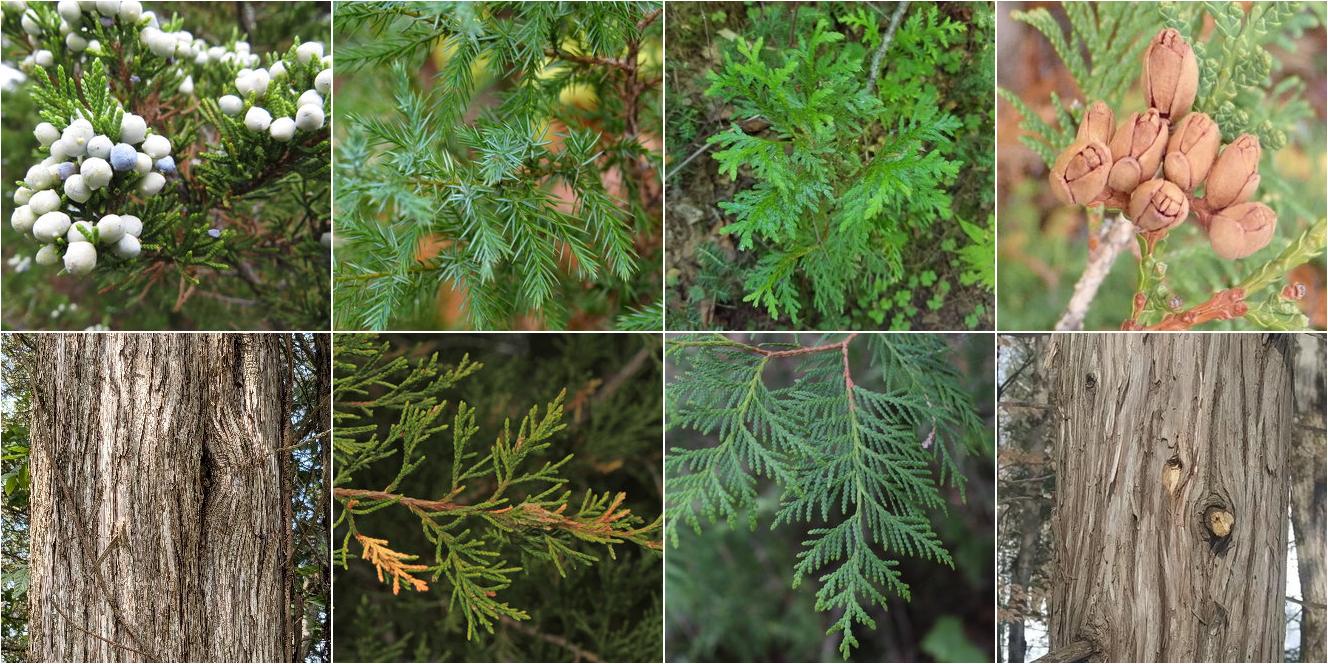
:max_bytes(150000):strip_icc()/difference-between-cedars-and-junipers-4165305_FINAL-8f376b133871469bac2617d95031900f.png)
Credit: www.treehugger.com
Frequently Asked Questions
What Are The Main Differences Between White And Red Cedar?
White cedar is lighter and less oily, while red cedar is darker and has a stronger scent.
Which Cedar Type Lasts Longer Outdoors?
Red cedar generally lasts longer outside due to its natural resistance to decay and insects.
Is White Cedar Good For Furniture Making?
Yes, white cedar is soft and easy to work with, making it ideal for furniture.
Does Red Cedar Repel Insects Better Than White Cedar?
Red cedar naturally repels insects better because of its strong aroma and oils.
Which Cedar Is Better For Interior Paneling?
Red cedar is often preferred for interior paneling due to its rich color and smell.
How Do White And Red Cedar Differ In Price?
White cedar is usually less expensive than red cedar because it is more common and easier to harvest.
Conclusion
Both white cedar and red cedar offer unique benefits for your projects. White cedar is lighter and resists decay well. Red cedar stands out with rich color and strong aroma. Choosing depends on your needs, budget, and style. Both woods last long and look great.
Think about where and how you will use the wood. Either choice brings natural beauty to your space. The key is to match the wood to your specific project. Simple, durable, and attractive options await you.