
Are you wondering when the best time is to open your pool in Massachusetts? Timing matters a lot if you want your pool ready for sunny days and fun swims without any hassle.
Opening your pool too early or too late can lead to problems like algae growth or equipment damage. You’ll find clear signs and practical tips to help you choose the perfect moment to get your pool ready. Keep reading to make sure your pool stays clean, safe, and inviting all season long.
Massachusetts Pool Season Basics
Opening a pool in Massachusetts depends on many factors. The cold winters and changing weather affect the timing. Knowing the basics of the pool season helps you plan better.
Understanding weather and climate is key. It helps you avoid damage and enjoy your pool safely. The right time to open your pool varies each year.
Typical Weather Patterns
Massachusetts weather changes a lot during spring. Winters are cold with snow and ice. Spring brings warmer days but also cold nights. Average temperatures rise above 50°F by mid-April. This warming signals that pool opening is near.
Late April to early May often works for pool openings. But sudden cold snaps or storms can still happen. Watch local weather forecasts closely. Wait for consistent warm days before starting pool work.
Local Climate Impact
The local climate affects how quickly the pool area warms. Coastal areas warm faster than inland regions. Cities like Boston may open pools earlier than western Massachusetts. Elevation also plays a role; higher places stay colder longer.
Spring rainfall can delay pool opening. Heavy rain may fill pools with debris or cause water problems. Testing pool water quality after rain is important. Adjust your opening schedule based on local climate trends.
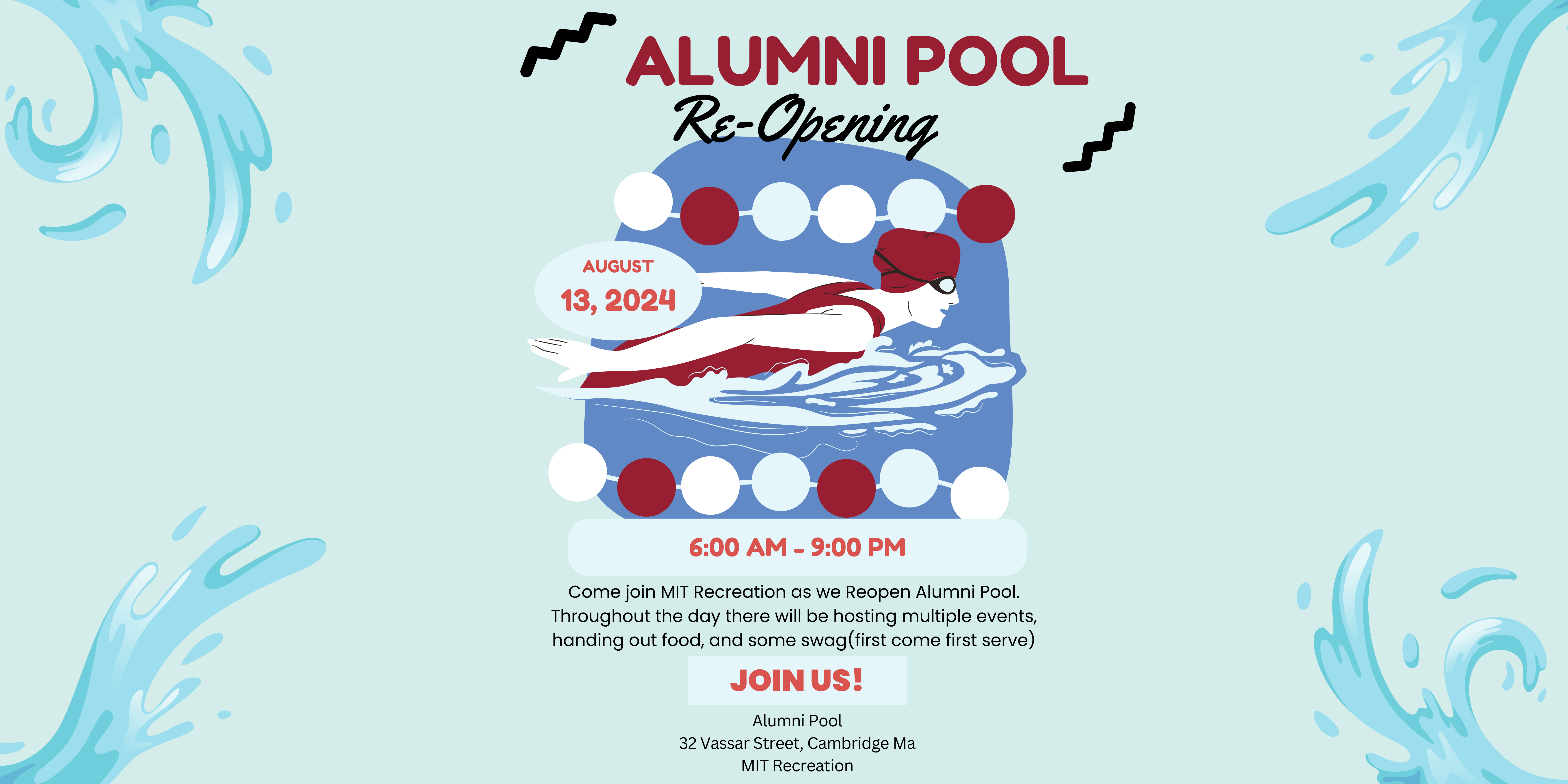
Credit: www.mitrecsports.com
Ideal Timing To Open Your Pool
Opening your pool at the right time in Massachusetts matters a lot. It protects your pool from damage and saves money. You want to enjoy swimming without rushing or delaying too long. Knowing the ideal timing helps you plan well for a safe start.
Average Temperature Benchmarks
Watch the daily temperature before opening your pool. The air should stay above 50°F for several days. Water temperature needs to reach around 60°F to prevent shock to pool equipment. This usually happens between late April and mid-May. Cold nights can still surprise you, so check the forecast carefully.
Avoiding Frost Damage
Frost can harm your pool pipes and liner. Avoid opening your pool too early in spring. Wait until the risk of frost ends, usually after mid-May. Frost can cause cracks and leaks that cost money to fix. Protect your pool by opening it only after the last frost date in your area.
Preparing Your Pool For Opening
Preparing your pool for opening is an important step in enjoying a safe and clean swimming season. Taking the time to clean and check your pool ensures everything works well. It prevents problems later and saves money on repairs. Start early to avoid last-minute issues.
Cleaning And Maintenance Tasks
Remove leaves and debris from the pool surface. Use a net or skimmer to clear the water. Brush the pool walls and floor to remove dirt and algae. Vacuum the pool to clean the bottom thoroughly. Check and clean the pool filters to keep water clear. Balance the water chemicals to prevent algae and bacteria growth. Test the water pH and chlorine levels regularly. Add chemicals slowly and follow instructions carefully. Remove any pool covers and clean them before storing. Keep the pool area tidy to avoid accidents.
Equipment Inspection And Repair
Inspect the pool pump and motor for damage or wear. Listen for strange noises that may indicate problems. Check all hoses and connections for leaks or cracks. Replace any broken or worn parts immediately. Test the pool heater to ensure it heats water properly. Examine the pool lights for cracks or electrical issues. Verify that safety equipment like ladders and railings are secure. Tighten loose screws and bolts to prevent accidents. Schedule professional help for complex repairs or electrical checks. Regular maintenance keeps your pool safe and efficient.

Credit: swimswam.com
Water Treatment And Balancing
Proper water treatment and balancing keep your pool safe and clean. It helps prevent algae, bacteria, and cloudy water. Balancing water means adjusting chemicals to the right levels. This process protects your pool and swimmers alike.
Testing Water Chemistry
Start by testing your pool water regularly. Use a reliable water testing kit for best results. Check pH, chlorine, alkalinity, and calcium hardness. pH should be between 7.2 and 7.8 for comfort and safety. Chlorine kills germs and should stay between 1 and 3 ppm. Alkalinity keeps pH stable and should be 80 to 120 ppm. Calcium hardness prevents damage to pool surfaces and should be 200 to 400 ppm. Testing helps you know what chemicals to add.
Adding Chemicals Safely
Always add chemicals in small amounts and carefully. Wear gloves and protective eyewear for safety. Pour chemicals slowly around the pool edges. Avoid mixing chemicals directly to prevent reactions. Follow product instructions exactly. After adding, run the pool pump to spread chemicals evenly. Wait a few hours before swimming to let chemicals work. Safe chemical use keeps your pool clear and healthy.
Common Challenges In Early Season
Opening a pool early in Massachusetts presents several challenges. The cold weather and spring conditions can make pool care tricky. Understanding common problems helps prepare for a smooth start to the swimming season.
Pool owners often face issues like algae growth and debris buildup. These problems can affect water quality and safety. Taking steps to prevent and manage them early saves time and effort later.
Algae Growth Prevention
Algae can grow quickly when the pool reopens. Warm temperatures and sunlight create perfect conditions. Testing and balancing the water chemistry is crucial. Use chlorine or algaecide to stop algae from spreading. Regular brushing of pool walls and floors removes early algae. Keep the filter running to clear algae spores from the water.
Dealing With Debris And Dirt
Spring winds bring leaves, dirt, and twigs into the pool. This debris can clog filters and dirty the water. Skim the surface daily to remove floating debris. Vacuum the pool floor to pick up settled dirt. Clean or backwash the filter to maintain good water flow. Cover the pool when not in use to reduce debris entry.
Local Regulations And Safety Tips
Opening a pool in Massachusetts requires attention to local rules and safety. These rules help keep swimmers safe and avoid legal trouble. Knowing what to do before opening your pool is very important. This section covers key safety requirements and permits needed.
Pool Safety Requirements
Massachusetts sets clear safety rules for home pools. Pools must have a secure fence at least 4 feet high. Gates should close and latch automatically. Pool alarms that alert if someone enters the water are also recommended. These rules reduce accidents and keep children safe. Proper pool covers are important to prevent falls.
Permits And Inspections
Local towns often require permits before opening a pool. These permits ensure your pool meets safety standards. An inspection may check the fence, gate, and alarm systems. Contact your city or town office to learn the permit process. Early permit approval prevents delays and fines. Always schedule inspections before starting pool use.
Extending Your Swimming Season
Extending your swimming season in Massachusetts can make your pool more enjoyable. The weather here often limits pool use to late spring through early fall. Small changes can add weeks to your swimming time. Two popular methods are using pool heaters and installing covers or enclosures. Both help keep the water warm and protect against the cold.
Using Pool Heaters
Pool heaters raise the water temperature quickly. They allow swimming even when the air is cool. Gas heaters warm water fast, ideal for short swims. Electric heat pumps work well for longer use. Solar heaters use the sun’s energy and save money. Heaters keep water comfortable for early spring or late fall swims.
Covers And Enclosures
Covers trap heat and reduce water evaporation. They keep dirt and leaves out, making pool care easier. Solar covers use sunlight to warm the water. Enclosures create a barrier against wind and cold air. They can turn your outdoor pool into a cozy space. Enclosures extend the season by protecting swimmers from chilly weather.
Credit: gardens.si.edu
Frequently Asked Questions
When Is The Best Time To Open A Pool In Massachusetts?
The best time to open a pool is late April to mid-May when temperatures stay above 60°F.
How Does Massachusetts Weather Affect Pool Opening?
Cool spring temperatures and possible frost can delay safe pool opening until late spring.
What Should I Check Before Opening My Pool In Massachusetts?
Check water temperature, clean debris, inspect equipment, and balance pool chemicals.
Can I Open My Pool Earlier In Massachusetts?
Opening too early risks cold water, algae growth, and damage to pool systems.
How Long Does Pool Opening Take In Massachusetts?
Pool opening usually takes one to two days, depending on cleaning and repairs.
Should I Hire A Professional To Open My Pool?
Hiring a professional ensures proper setup, chemical balance, and equipment check for safety.
Conclusion
Opening your pool in Massachusetts depends on weather and safety. Wait until the danger of frost passes. Check water temperature; it should be warm enough to swim. Clean the pool and test chemical levels before use. Doing this ensures a safe, fun swimming season.
Enjoy your pool once all steps are complete. Stay safe and watch the local weather. Pool season in Massachusetts can be short—make the most of it!