
Are you setting up a pool and wondering what to put under your pool legs? Choosing the right support can save you from headaches like uneven surfaces, damage to your pool, or even accidents.
You want your pool to stay stable, safe, and last through the season. You’ll discover simple, effective options that protect your pool legs and keep everything steady. Keep reading to find out exactly what works best for your setup and how you can avoid common mistakes that many pool owners make.

Credit: www.reddit.com
Choosing The Right Surface
Choosing the right surface for your pool legs is important. It helps keep the pool stable and safe. The surface affects how long your pool will last and how well it stands. Picking a good surface means less damage and fewer problems later.
Ground Types For Pool Placement
Different ground types work better for pools. Grass can be soft but might cause sinking. Sand is smooth and spreads weight well. Concrete is very strong but can be hard on the pool legs. Dirt can be uneven and may shift. Flat, firm ground is best for any pool.
Impact Of Surface On Stability
The surface affects how stable your pool is. Soft ground can make legs sink or tilt. Hard surfaces keep legs steady but can scratch or damage them. Uneven surfaces cause wobbling and may lead to leaks. A stable surface stops accidents and keeps water inside.
Preparing The Ground
Clear away rocks, sticks, and debris first. Level the ground to make it flat and even. Add a layer of sand or a pool mat for extra support. Compact the surface to stop it from shifting. Proper preparation helps your pool stay safe and strong.

Credit: www.youtube.com
Materials For Under Pool Legs
Choosing the right material for under pool legs is important. It helps keep your pool stable and protects the ground. Different materials offer different levels of support and durability. Here are some common options you can use.
Wooden Boards
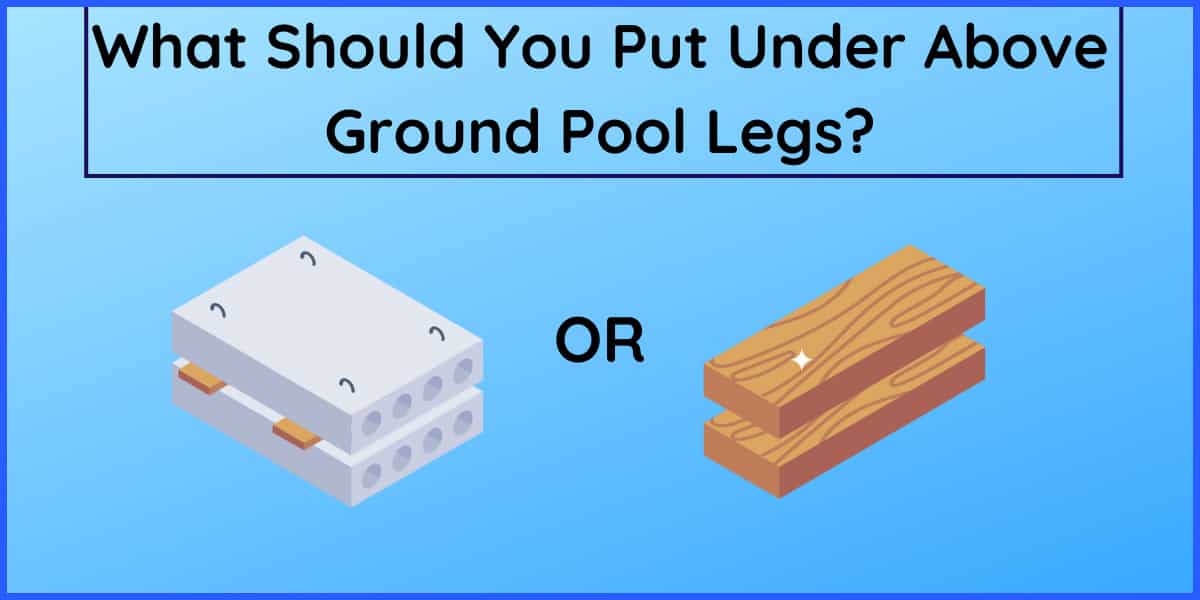
Wooden boards are a popular choice. They spread the weight of the pool evenly. They also prevent the legs from sinking into soft soil. Make sure the wood is strong and treated to resist moisture.
Paving Stones
Paving stones provide a solid base for pool legs. They are durable and weather-resistant. Stones keep the pool level and protect the lawn. Place them tightly together to avoid shifting.
Concrete Blocks
Concrete blocks offer excellent support. They are heavy and stable, stopping any movement. Blocks work well on uneven ground. Use blocks with smooth surfaces to avoid damage to pool legs.
Specialized Pool Pads
Specialized pool pads are designed just for this use. They cushion the legs and protect the pool frame. These pads resist water and sun damage. They are easy to place and help extend pool life.
Installation Tips
Proper installation is key to a safe and long-lasting pool setup. Paying attention to what goes under the pool legs prevents sinking and damage. Follow these simple tips to ensure your pool stands firm and stable.
Leveling The Base
Start by choosing a flat area for your pool. Remove any rocks, sticks, or debris from the ground. Use a level tool to check the surface. Add sand or soil to even out low spots. Make sure the base is smooth and flat before placing pool legs.
Securing The Support Material
Place sturdy pads or boards under each pool leg. These spread the weight and protect the ground. Use pressure-treated wood or thick plastic pads designed for pools. Fix the pads so they do not move or slide. This keeps the pool steady during use.
Checking Stability Regularly
Inspect the pool legs every few weeks. Look for signs of sinking or shifting. Adjust the support material if the pool becomes uneven. Keep the area around the pool clean and dry. Regular checks prevent damage and keep your pool safe.
Credit: saverne.fr
Common Mistakes To Avoid
Choosing the right base under pool legs is important. Mistakes can cause damage or make your pool unstable. Avoiding common errors helps protect your pool and keeps it safe.
Using Uneven Surfaces
Placing pool legs on uneven ground is risky. It can cause the pool to tilt or wobble. This uneven pressure may damage the frame. Always use flat, level surfaces for support.
Ignoring Drainage Needs
Water can collect under pool legs if drainage is poor. Standing water causes rust and weakens supports. Make sure the ground allows water to flow away easily. Good drainage extends your pool’s life.
Skipping Regular Inspections
Not checking pool leg supports regularly leads to unnoticed problems. Small cracks or shifts can become big issues. Inspect the base often to catch damage early. Fixing problems quickly keeps the pool stable.
Maintenance For Long-term Stability
Maintaining what you put under pool legs is key for long-term stability. Regular care stops damage and keeps the pool safe. Simple steps help avoid costly repairs and keep your pool steady on any surface.
Seasonal Adjustments
Check the supports at the start of each season. Soil can shift during winter or heavy rain. Lift and reposition the pads or blocks to keep the legs level. This stops the pool from tilting or sinking.
Replacing Worn Materials
Inspect the pads or mats under the legs for cracks or wear. Replace them if they look damaged or thin. Using fresh materials keeps the weight spread evenly and prevents damage to the pool frame.
Preventing Ground Erosion
Keep the ground under the pool legs firm and dry. Add gravel or sand around the pads to improve drainage. This stops water from washing away soil and creating holes. Stable ground means stable pool legs.
Frequently Asked Questions
What Materials Are Best To Put Under Pool Legs?
Use flat, sturdy materials like wooden boards or concrete pavers to spread weight evenly.
Why Should I Put Something Under Pool Legs?
It prevents sinking and protects your pool floor from damage or tears.
Can I Use Sand Under My Pool Legs?
Sand is not ideal as it can shift and cause instability over time.
How Thick Should The Padding Under Pool Legs Be?
A thickness of 1 to 2 inches is enough to cushion and protect the pool legs.
Will Pool Leg Pads Protect Against Rust?
Pads do not stop rust but help reduce moisture contact, slowing rust formation.
How Often Should I Check The Material Under Pool Legs?
Check monthly to ensure stability and replace any worn or damaged padding promptly.
Conclusion
Choosing the right material under pool legs protects your ground and pool. Soft mats, wooden boards, or plastic pads work well. They stop damage and keep your pool stable. Clean the area before placing any support. Check the supports often for wear or movement.
Small steps make your pool last longer and stay safe. Take care of these details for a better pool experience. Simple actions can save you time and money later. Your pool legs need good support to avoid problems.