
Have you ever looked at your pool and wondered why algae suddenly took over? Knowing the temperature at which algae thrives can help you keep your pool crystal clear.
When your pool water hits certain temperatures, algae can grow faster than you expect, turning your perfect swim spot into a green mess. You’ll discover the exact temperatures that encourage algae growth and how you can use this knowledge to protect your pool all year round.
Keep reading, and you’ll learn simple steps to stop algae before it starts.
Ideal Temperature For Algae Growth
Algae growth in pools depends heavily on water temperature. Understanding the ideal temperature for algae growth helps keep pools clean. Algae thrive best in certain temperature ranges. Knowing these ranges can help prevent and control algae blooms effectively.
Temperature Range Favoring Algae
Algae grow best in warm water. The ideal temperature range is between 77°F and 86°F (25°C to 30°C). In this range, algae cells multiply quickly. Cooler water slows down their growth. Water below 60°F (15°C) usually stops algae from growing.
Warmer water encourages algae to spread. This is why pools warm in summer often have more algae problems. Keeping pool water outside this range can reduce algae growth significantly.
Seasonal Temperature Effects
Algae growth changes with the seasons. Summer provides the warmest water, perfect for algae. Pools can develop algae fast during hot months. Spring and fall have moderate temperatures, slowing algae growth.
Winter usually means cold water, which limits algae. Algae may become dormant but not die. When temperatures rise again, algae can return quickly. Pool owners should watch water temperature during seasonal changes to manage algae risks.
Types Of Algae In Pools
Algae can appear in many forms in swimming pools. Knowing the types helps control and prevent growth. Each type has unique features and prefers different pool conditions. Understanding them makes pool care easier and more effective.
Green Algae
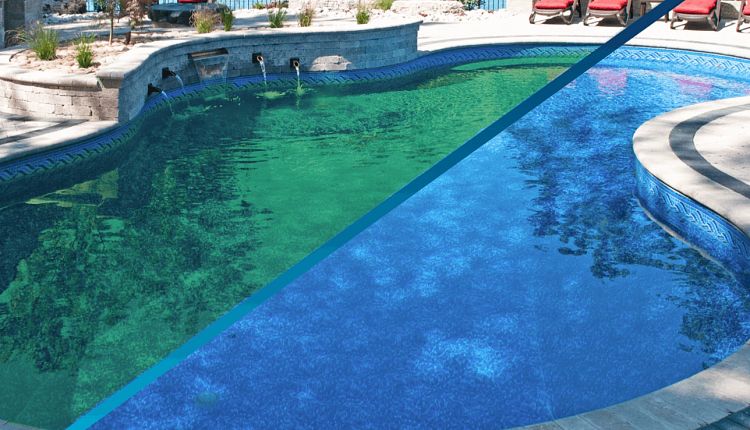
Green algae is the most common type found in pools. It gives water a green, cloudy look. This algae grows fast in warm water and sunlight. It spreads quickly on pool walls and floors. Green algae is easy to remove with regular cleaning and chemicals.
Yellow Algae
Yellow algae, also called mustard algae, looks like yellow dust or spots. It often grows in shaded or less circulated pool areas. This algae sticks tightly to surfaces and resists regular cleaning. Stronger treatments are needed to remove yellow algae fully.
Black Algae
Black algae is the toughest type to remove. It forms dark, black spots or patches in pools. This algae has a protective slime layer and roots that go deep into pool surfaces. Scrubbing alone cannot remove black algae. Specialized chemicals and brushing are required to kill it.
How Temperature Influences Algae Growth
Temperature plays a key role in how algae grow in pools. It affects their speed of growth and survival. Understanding this helps keep pools clean and safe. Algae respond differently to warm and cold water. Knowing these effects helps manage pool water better.
Warm Water And Algae Proliferation
Algae thrive in warm water. Temperatures between 75°F and 85°F are perfect for fast growth. Warm water speeds up algae metabolism. This leads to quick reproduction and spread. Pools often become green and cloudy during warm weather. Sunlight combined with warmth makes algae grow even more. Warm water also helps algae form slimy layers on pool surfaces.
Cold Water Impact On Algae
Cold water slows algae growth. Below 60°F, algae become inactive or die. Low temperatures reduce algae metabolism. This limits their ability to multiply. Cold water helps keep pools clearer. Algae may still survive but grow very slowly. Pool cleaning is easier in colder months. Less algae means less need for chemicals and scrubbing.

Credit: www.reddit.com
Preventing Algae Growth Through Temperature Control
Temperature plays a key role in algae growth in pools. Controlling pool temperature helps keep algae away. Warm water encourages algae to grow fast. Cooler water slows down their development. Managing pool temperature is an easy way to prevent algae problems.
Maintaining Optimal Pool Temperature
Keep your pool temperature below 80°F to reduce algae growth. Warm water above 80°F creates a perfect place for algae. Regularly check the water temperature with a reliable pool thermometer. Adjust your heater or cooling system to keep the temperature steady. Avoid sudden temperature changes that stress the water balance. Consistent temperature control helps keep your pool clean and algae-free.
Using Pool Covers To Regulate Heat
Pool covers help control temperature by blocking sunlight and heat loss. Sunlight warms the water and helps algae grow. Using a cover at night keeps the water cooler and reduces algae. Covers also protect the pool from debris that feeds algae. Choose a cover that fits well and is easy to use. Cover your pool during hot days to limit heat and light exposure.
Additional Factors Affecting Algae Growth
Algae growth in pools depends on more than just temperature. Several other factors play important roles in how quickly and heavily algae can develop. Understanding these factors helps pool owners keep water clean and clear. Here are the key elements that affect algae growth.
Sunlight Exposure
Algae need sunlight to grow. Pools with direct sunlight for many hours each day tend to have more algae problems. Shaded pools or those with partial shade often see slower algae growth. Sunlight provides energy for algae to thrive and multiply.
Water Chemistry
Balanced water chemistry helps stop algae growth. Algae grow fast in water with high pH or low chlorine levels. Proper chlorine levels kill algae spores before they spread. Regular testing and adjusting pH, alkalinity, and sanitizer levels keep algae under control.
Filtration And Circulation
Good filtration and circulation remove algae spores and nutrients from pool water. Stagnant water allows algae to settle and grow. Running the pool pump for enough hours daily helps filter out unwanted particles. Clean filters improve water flow and reduce algae risks.
Credit: www.lathampool.com
Steps To Remove Algae From Pools
Removing algae from your pool requires clear steps to restore clean water. Act quickly to stop algae from spreading. Follow these steps carefully to clear your pool and keep it healthy.
Chemical Treatments
Start by testing your pool water’s pH level. Adjust it to the ideal range of 7.2 to 7.6. Use a strong chlorine shock to kill algae. Apply algaecide designed for pools to prevent regrowth. Follow product instructions for correct amounts and safety. Let the chemicals work for several hours or overnight.
Physical Cleaning Methods
Brush pool walls and floor to remove algae buildup. Use a pool vacuum to clean debris and dead algae. Skim the surface to remove leaves and particles. Clean or backwash your pool filter to improve water flow. Repeat cleaning until water clears and algae disappears.
Credit: compasspoolsmelbourne.com.au
Frequently Asked Questions
What Temperature Range Encourages Algae Growth In Pools?
Algae grow best between 75°F and 85°F, where water is warm but not too hot.
Can Algae Grow In Cold Pool Water Below 60°f?
Algae growth slows down significantly below 60°F but may not stop completely.
How Does Water Temperature Affect Algae Spread In Pools?
Warmer water speeds up algae reproduction, causing faster spread in your pool.
Is Algae Growth Faster In Outdoor Pools Than Indoor Pools?
Outdoor pools heat up more, often reaching ideal algae growth temperatures quicker.
What Pool Temperature Helps Prevent Algae Growth Effectively?
Keeping pool water below 70°F can help reduce algae growth chances.
Does Raising Pool Temperature Above 90°f Kill Algae?
High temperatures above 90°F can harm some algae but won’t fully remove it.
Conclusion
Algae grows best in warm water, usually between 77°F and 86°F. Keeping your pool water cool helps slow algae growth. Regular cleaning and proper chemical balance also prevent algae problems. Watch the temperature to protect your pool’s clarity. Clear water means more fun and less work.
Stay alert and keep your pool healthy year-round. Simple steps make a big difference.