
Have you ever wondered what happens if you put salt in a chlorine pool? If you’re thinking about adding salt to your pool water, it’s important to know how it can affect the chemistry and safety of your pool.
Whether you’re trying to save money, improve water quality, or just curious, understanding the impact of salt on a chlorine pool can help you avoid costly mistakes and keep your pool sparkling clean. Keep reading to discover the surprising effects salt can have on your pool and what you should do instead.
Salt And Chlorine Pools
Salt and chlorine pools use different methods to keep water clean. Salt pools use salt to create chlorine naturally. Chlorine pools add chlorine directly to the water. Adding salt to a regular chlorine pool can change how it works. Understanding these differences helps keep your pool safe and clear.
How Chlorine Pools Work
Chlorine pools need chlorine to kill germs and algae. Pool owners add chlorine by tablets, liquid, or powder. Chlorine breaks down dirt and bacteria in the water. It keeps the pool safe to swim in. Too much or too little chlorine can cause problems. Testing the water often keeps chlorine at the right level.
Types Of Pool Sanitizers
Pool sanitizers help keep water clean and healthy. Chlorine is the most common sanitizer used worldwide. Salt systems use salt to produce chlorine inside the pool. Other sanitizers include bromine and mineral systems. Each type works differently but aims for clean water. Choose the sanitizer that fits your pool and needs.
Credit: www.swimuniversity.com
Chemical Reaction Between Salt And Chlorine
The chemical reaction between salt and chlorine in a pool creates unique effects on water quality. Salt itself does not produce chlorine but can influence chlorine levels through specific processes. Understanding this reaction helps pool owners manage water balance and sanitation better.
Salt’s Effect On Chlorine Levels
Salt added to a chlorine pool changes chlorine production. Saltwater pools use a salt chlorine generator to turn salt into chlorine. The generator uses electricity to split salt (sodium chloride) into chlorine gas. This chlorine gas then dissolves in water to form hypochlorous acid, the main sanitizer.
Adding plain salt to a traditional chlorine pool does not increase chlorine right away. It may dilute the chlorine or react with other chemicals, lowering chlorine levels temporarily. High salt levels can reduce chlorine effectiveness by affecting the sanitizer’s stability.
Impact On Pool Water Chemistry
Salt influences pool water chemistry by altering pH and alkalinity. Saltwater tends to raise the pool’s pH, making the water more basic. This shift can reduce chlorine’s ability to kill bacteria and algae.
Salt also interacts with other pool chemicals, changing water balance. It can cause scaling or corrosion if levels get too high. Regular testing and adjustments help maintain safe, clean water in salt-influenced pools.
Potential Risks Of Adding Salt
Adding salt to a chlorine pool can create problems. Salt changes the pool’s chemistry and affects its parts. Understanding these risks helps keep the pool safe and clean.
Damage To Pool Equipment
Salt can corrode metal parts in the pool system. Pumps, heaters, and filters may wear out faster. Salt causes rust and weakens equipment. Repairs and replacements become more frequent and costly.
Water Quality Issues
Salt changes the water’s balance and clarity. It can cause cloudy water and scaling on pool surfaces. Salt may also affect the chlorine’s ability to kill germs. This leads to unsafe swimming conditions and more cleaning work.
When Salt Is Beneficial
Adding salt to a chlorine pool can have benefits under certain conditions. Salt can help create a gentler swimming experience. It reduces the harsh smell and eye irritation caused by traditional chlorine. Salt also helps keep the water clearer and softer on the skin.
Salt works best when used in the right pool system. Pools designed for saltwater are built to handle salt levels safely. Understanding these systems can help you decide if salt is right for your pool.
Saltwater Pools Vs. Chlorine Pools
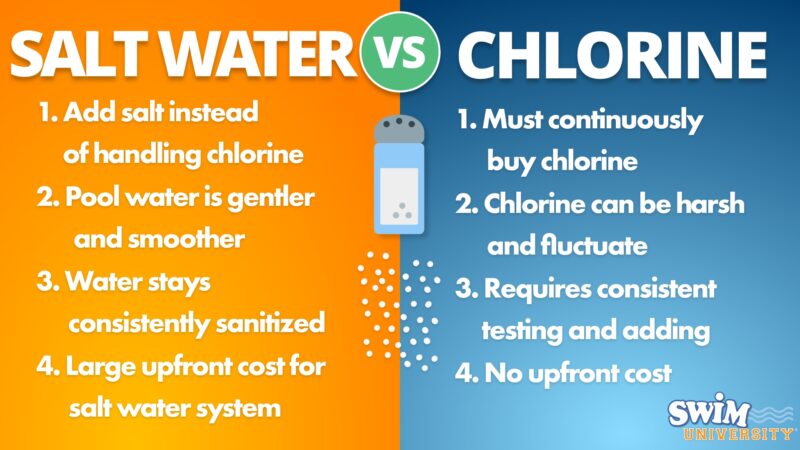
Saltwater pools use salt to make chlorine naturally. The salt passes through a generator that turns it into chlorine. This process keeps chlorine levels steady and reduces chemical use.
Chlorine pools need direct chlorine added regularly. This can cause strong chlorine smells and skin irritation. Saltwater pools feel softer and cause less eye redness.
Saltwater pools often cost more to set up. But they save money on chemicals over time. Chlorine pools are cheaper to start but require more maintenance.
Converting To A Saltwater System
Converting a chlorine pool to saltwater means adding a salt chlorine generator. This device changes salt into chlorine for pool cleaning. It helps keep water balanced and clean automatically.
Before converting, test your pool’s materials. Some pool parts do not handle salt well. Check the pool surface, pump, and heater for salt compatibility.
Adding the right amount of salt is important. Too little or too much salt can harm the pool system. Follow the generator’s instructions for the best results.
Tips For Safe Pool Maintenance
Safe pool maintenance keeps your water clean and swimmers healthy. Careful attention to chemicals and salt levels protects pool equipment. Follow these tips to maintain a balanced and safe chlorine pool.
Monitoring Chemical Balance
Check your pool’s chemical levels often. Test chlorine, pH, and alkalinity at least twice a week. Balanced chemicals prevent algae growth and skin irritation. Use a reliable test kit for accurate results. Adjust chemicals slowly to avoid sudden changes. Consistent monitoring keeps your pool safe and clear.
Proper Salt Usage Guidelines
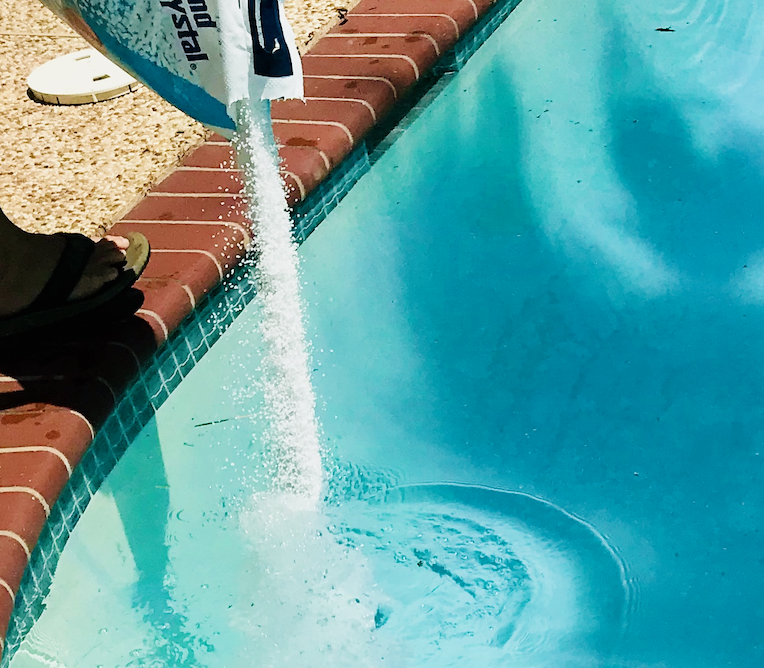
Use salt designed for pools only. Add salt in small amounts to avoid over-salting. Follow manufacturer instructions for salt quantity based on pool size. Avoid using table salt or rock salt. Salt affects chlorine generation and water balance. Proper salt use helps maintain clear water and protects your pool system.

Credit: 1poolcare.com.au
Credit: blog.orendatech.com
Frequently Asked Questions
What Happens When Salt Is Added To A Chlorine Pool?
Salt can change the water chemistry and may affect chlorine levels and pool balance.
Can Salt Damage A Chlorine Pool’s Equipment?
High salt levels can cause corrosion and damage pool metal parts over time.
Does Salt Affect Chlorine Production In Saltwater Pools?
Salt helps create chlorine through a salt chlorinator, keeping the pool clean naturally.
Will Salt Make A Chlorine Pool Water Cloudy?
Too much salt or imbalance can cause cloudy water and poor pool clarity.
How Much Salt Is Safe For A Chlorine Pool?
Safe salt levels vary, but typically 2700-3400 ppm works well for salt chlorinators.
Can Adding Salt Reduce The Need For Chlorine Chemicals?
Salt systems produce chlorine, which can lower the need for added chlorine chemicals.
Conclusion
Adding salt to a chlorine pool can change the water’s balance quickly. Salt may affect chlorine’s strength and cleaning power. This can lead to cloudy water or algae growth. Pool owners should test water often to keep it safe and clear.
Using the right chemicals helps the pool stay clean and healthy. Always check your pool system before adding anything new. Keep your water fresh and enjoy swimming without worries. Simple care makes a big difference for pool health.