
Have you ever noticed water inside your pool light housing? It’s a common issue that can cause flickering lights or even damage your pool’s electrical system.
If you want to keep your pool safe and looking great, understanding why this happens and how to fix it is crucial. You’ll discover simple steps to protect your pool lights and prevent water from sneaking in. Keep reading to learn how to keep your pool lighting shining bright all season long.
Causes Of Water In Pool Light Housing
Water inside pool light housing causes many problems. It can damage the light and create safety risks. Understanding the main causes helps prevent this issue and keeps the pool safe and beautiful. Below are common reasons water enters the pool light housing.
Seal Failures
Seals stop water from entering the light housing. Over time, seals wear out or crack. Worn seals lose their tight fit and let water inside. Dirt and debris can also damage seals, making leaks worse.
Cracked Housing
Light housing is made from plastic or metal. Harsh pool chemicals and temperature changes can cause cracks. Small cracks let water seep into the housing. Even a tiny crack can cause serious water damage.
Improper Installation
Incorrect installation is a major cause of leaks. If the housing is not sealed or tightened properly, water can enter. Using wrong parts or skipping steps also leads to water problems inside the light.
Condensation Build-up
Condensation forms when warm air meets cold surfaces. Inside the housing, moisture can collect without direct leaks. This water buildup causes foggy lights and can damage electrical parts over time.
Pressure Imbalances
Water pressure changes inside the pool affect the housing. Pressure differences between the pool and housing can push water inside. Poor venting or blocked drains increase pressure problems and cause leaks.

Credit: neurocin.com.br
Risks Of Water In Pool Light Housing
Water entering the pool light housing causes many problems. It can damage the light and create dangers. Pool owners must understand these risks to keep their pools safe and functional. Ignoring water in the light housing leads to costly repairs and safety issues.
Electrical Hazards
Water in the light housing can cause short circuits. This creates a risk of electric shock. It can also damage the wiring inside the pool light. Wet electrical parts become unsafe for swimmers and pool users.
Light Malfunction
Water disrupts the pool light’s normal operation. The light may flicker or stop working completely. This reduces visibility in the pool at night. A faulty light lowers pool safety and enjoyment.
Corrosion Damage
Moisture causes metal parts inside the housing to rust. Corrosion weakens the light’s structure over time. Rust can break seals, letting in more water. This cycle worsens the damage continuously.
Increased Repair Costs
Repairing water damage in pool lights costs more than regular maintenance. Parts may need full replacement due to corrosion or electrical faults. Ignoring small leaks leads to expensive repairs later.
Pool Equipment Failure
Water in the light housing can affect other pool equipment. It may cause pumps or filters to work harder. This reduces the life of the entire pool system. Equipment failure leads to higher bills and downtime.
Quick Fixes For Water In Pool Light Housing
Water inside the pool light housing can cause safety risks and damage. Quick fixes help stop water from harming the light and electrical parts. These simple steps save time and money before calling a professional. Follow each step carefully to keep your pool light safe and dry.
Turning Off Power
Always turn off the power to the pool light first. This stops electrical shocks and accidents. Use the circuit breaker to cut power safely. Never try to fix the light with power on.
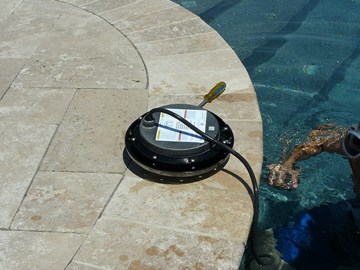
Removing The Light Fixture
Remove the light fixture carefully from the pool wall. Use a screwdriver or wrench as needed. Place the fixture on a dry surface to avoid more water damage. Check for cracks or broken parts while removing.
Drying And Inspecting
Dry the inside of the light housing with a cloth or towel. Let it air dry for several hours to remove all moisture. Inspect the housing for leaks, cracks, or damaged seals. Water spots or rust show where the leak comes from.
Replacing Seals And Gaskets
Old seals and gaskets often cause water leaks. Remove the worn parts and clean the area well. Fit new seals and gaskets tightly to block water entry. Use parts made for your specific pool light model.
Using Silicone Sealant
Apply silicone sealant around the edges of the housing. This creates a strong, waterproof barrier. Allow the sealant to dry fully before reinstalling the light. Avoid using too much sealant to keep a clean finish.
Credit: www.inyopools.com
Preventive Tips To Avoid Water Intrusion
Water intrusion in pool light housing causes damage and safety risks. Preventing water from entering the light housing extends its life and keeps your pool safe. Simple steps can help avoid costly repairs and electrical problems. Take action early to protect your pool lighting system.
Regular Maintenance Checks
Check pool light housing often for cracks or leaks. Inspect seals and gaskets to ensure tight fits. Clean dirt and debris around the housing regularly. Early detection stops water from seeping inside. Keep maintenance records to track any issues over time.
Proper Installation Practices
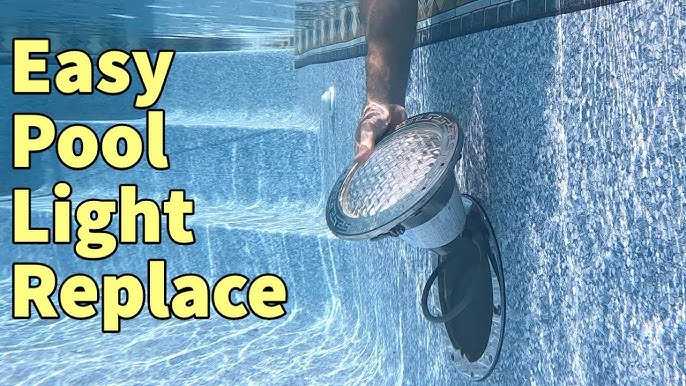
Install pool lights according to the manufacturer’s instructions. Use correct sealing materials around the housing edges. Avoid forcing components into place. Secure all parts firmly to prevent gaps. Proper installation reduces water entry points and electrical faults.
Using Quality Components
Choose durable, waterproof housing made for pool use. Avoid cheap or incompatible parts that wear out fast. High-quality seals and gaskets block water effectively. Invest in trusted brands for longer-lasting protection. Quality components lower the risk of water damage.
Monitoring Pool Water Chemistry
Keep pool water balanced to prevent corrosion and leaks. Test pH, chlorine, and alkalinity levels regularly. Imbalanced water can degrade seals and metal parts. Proper chemistry helps preserve the housing’s integrity. Balanced water protects both the pool and lighting system.
Installing Gfci Protection
Use Ground Fault Circuit Interrupter (GFCI) for pool lights. GFCI cuts power immediately if water causes a short. It reduces electric shock risk and equipment damage. Always install GFCI on pool light circuits. This safety measure safeguards users and gear.
Credit: www.youtube.com
Frequently Asked Questions
What Causes Water To Enter Pool Light Housing?
Water can enter due to worn seals, cracks, or loose fittings around the pool light.
How Dangerous Is Water Inside Pool Light Housing?
Water in the housing can cause electrical shorts and damage the light fixture.
Can I Fix Water In Pool Light Housing Myself?
Yes, but only if you have basic electrical and pool maintenance skills.
How Do Professionals Remove Water From Pool Light Housing?
They drain the water, check for leaks, and replace faulty seals or parts.
How To Prevent Water From Entering Pool Light Housing?
Regularly inspect seals, tighten screws, and replace damaged parts promptly.
How Often Should Pool Light Housing Be Checked For Leaks?
Check at least once a year or after heavy storms for safety.
Conclusion
Water in pool light housing can cause serious problems fast. It damages the light and may create safety risks. Regular checks help find leaks early and keep lights working well. Fix small issues before they grow bigger and cost more.
Proper sealing and maintenance protect your pool lights. Keep your pool safe and bright with simple care steps. Don’t ignore signs of water inside the housing. Taking action today saves you time and money later. Stay alert and enjoy your pool safely all year.