
Are you struggling to keep your pool’s pH level balanced? High pH can make your pool water cloudy, cause skin irritation, and reduce the effectiveness of chlorine.
But what if you could fix this problem with something simple and affordable you probably already have at home? Using vinegar to lower pH in your pool is a natural and easy solution that many pool owners overlook. You’ll discover how vinegar works, how to use it safely, and why it might be the best choice for maintaining crystal-clear, comfortable pool water.
Keep reading to learn how you can take control of your pool’s pH without harsh chemicals or expensive treatments.
Why Ph Matters In Pools
Maintaining the right pH level in your pool is very important. pH measures how acidic or basic the water is. This affects the water quality and swimmer comfort. Keeping pH balanced helps protect pool equipment and keeps water safe.
Effects Of High Ph Levels
High pH makes pool water feel slippery and uncomfortable. It can cause skin and eye irritation for swimmers. High pH also reduces chlorine effectiveness. This allows algae and bacteria to grow faster. Pool surfaces may develop scale and stains. Equipment like heaters and pumps can get damaged.
Ideal Ph Range For Pools
The best pH range for pools is between 7.2 and 7.8. This range keeps water clear and safe. Chlorine works well within this range to kill germs. Swimmers feel comfortable without irritation. Pool parts last longer with balanced pH. Testing pH regularly helps keep it in this range.

Credit: www.swimuniversity.com
How Vinegar Lowers Ph
Understanding how vinegar lowers pH in your pool helps you maintain clean and balanced water. Vinegar is a mild acid. It can safely reduce the pH level without harsh chemicals. This section explains how vinegar works to change the pool’s pH.
Acidity Of Vinegar Explained
Vinegar contains acetic acid. This acid gives vinegar its sour taste. The acetic acid concentration is usually about 5%. It is strong enough to lower pH but gentle enough for pool use. The acid releases hydrogen ions when added to water. These ions increase the water’s acidity.
Chemical Reaction In Pool Water
When vinegar mixes with pool water, a chemical reaction starts. The hydrogen ions from vinegar react with alkaline substances. This reaction reduces the number of hydroxide ions. Less hydroxide means lower pH. The water becomes more acidic and balanced for swimming.
Choosing The Right Vinegar
Choosing the right vinegar is important for safely lowering your pool’s pH. Not all vinegars work well in pools. Some types can damage pool equipment or affect water quality. Knowing which vinegar to use helps keep your pool clean and balanced.
Types Of Vinegar Suitable For Pools
White distilled vinegar is the best choice for pools. It is clear and contains about 5% acetic acid. This acid helps lower pH without adding color or harmful substances. Avoid using flavored or colored vinegars. They may stain pool surfaces or cloud the water. Use only plain white vinegar for safe pH adjustment.
Avoiding Harmful Additives
Check vinegar labels for additives. Some vinegars contain sugars, oils, or preservatives. These can cause algae growth and water problems. Choose vinegar with no added ingredients. Pure vinegar protects your pool and keeps water clear. Always buy from trusted stores to ensure quality.
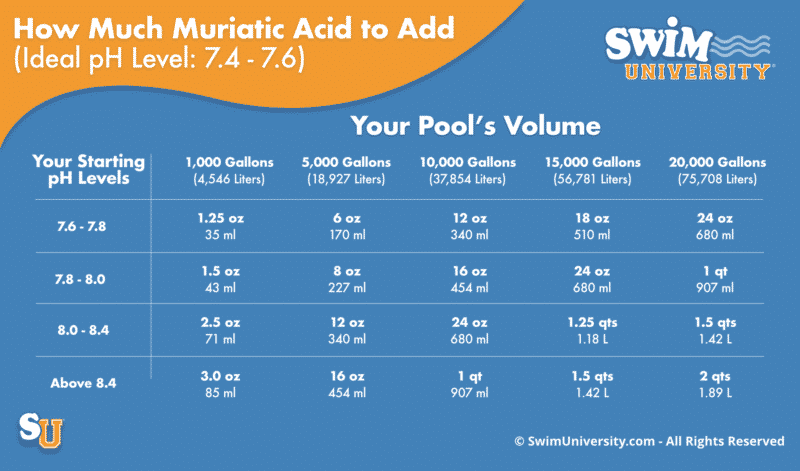
Credit: www.swimuniversity.com
Steps To Use Vinegar In Your Pool
Lowering the pH of your pool with vinegar is simple and effective. Follow clear steps to keep your pool water balanced. Using vinegar correctly helps avoid problems like cloudy water or skin irritation.
This section guides you through the process. Learn how to measure and apply vinegar safely for the best results.
Measuring The Correct Amount
Start by testing your pool’s pH level. Use a reliable pool test kit. Note how much the pH needs to drop.
Calculate the vinegar amount based on your pool size. Usually, one cup of vinegar lowers pH slightly in 10,000 gallons. Add vinegar gradually to avoid sudden changes.
Measure vinegar with a standard cup or measuring jug. Pour carefully for accuracy. Avoid guessing the amount.
Safe Application Methods
Pour vinegar slowly along the pool edges. This helps it mix well. Avoid dumping vinegar in one spot.
Run your pool pump to circulate water. This spreads vinegar evenly and prevents acid spots.
Wear gloves and avoid splashing vinegar on skin or eyes. Keep children and pets away during application.
Retest the pH after a few hours. Add more vinegar if needed, but always in small amounts.
Benefits Of Using Vinegar
Using vinegar to lower the pH in your pool offers many benefits. It is a simple, natural way to keep your pool water balanced. Vinegar helps control pH without harsh chemicals. This makes pool care safer and easier for everyone.
Cost-effectiveness
Vinegar is much cheaper than many pool chemicals. A large bottle costs just a few dollars. It lasts a long time and treats a lot of water. This saves money on pool maintenance each season. No need to buy expensive pH reducers.
Eco-friendly Approach
Vinegar is a natural product made from vinegar fermentation. It does not harm plants, animals, or the environment. Using vinegar reduces chemical waste in water systems. It breaks down quickly without leaving harmful residues. This helps keep your pool and planet cleaner.
Precautions And Limitations
Using vinegar to lower the pH in your pool needs careful thought. Vinegar is acidic and can change the water balance quickly. Knowing the right way to use it can protect your pool and keep it safe.
When Not To Use Vinegar
Do not use vinegar if your pool pH is already low. Adding more acid can harm swimmers and pool surfaces. Avoid using vinegar if your pool has sensitive materials like natural stone. It can cause damage or discoloration. Also, do not use vinegar in large amounts at once. This can shock the pool and cause pH swings.
Potential Risks To Pool Equipment
Vinegar can corrode metal parts in your pool system. It may damage pumps, filters, and heaters over time. Acidic water can also wear out seals and gaskets. This leads to leaks and costly repairs. Use vinegar carefully to avoid these problems. Test the water often to keep pH stable and protect equipment.
Alternative Ph Lowering Options
Lowering the pH in a pool is important to keep the water balanced and safe. Vinegar is one option but not the only one. There are other ways to reduce pH effectively. Some use chemicals made for pools. Others prefer natural methods.
Commercial Chemicals
Pool stores sell many products to lower pH. Muriatic acid is a strong and fast option. It works by neutralizing alkaline substances in water. Sodium bisulfate, often called dry acid, is safer to handle. Both products must be used carefully to avoid damage. Follow instructions exactly to keep water balanced and safe.
Natural Remedies
Some pool owners choose natural ways to lower pH. Adding small amounts of vinegar is one natural option. It is mild but less powerful than acids. Another idea is using carbon dioxide. It lowers pH by forming carbonic acid in water. These methods are gentle and eco-friendly. Yet, they may take longer to show results.
Credit: www.housedigest.com
Maintaining Balanced Ph Long-term
Maintaining a balanced pH in your pool is key to clear, safe water. A stable pH level protects pool surfaces and keeps swimmers comfortable. Using vinegar to lower pH works well, but long-term care is essential. Consistent actions help avoid big swings and keep your pool healthy. The following tips guide you to maintain balanced pH over time.
Regular Testing Tips
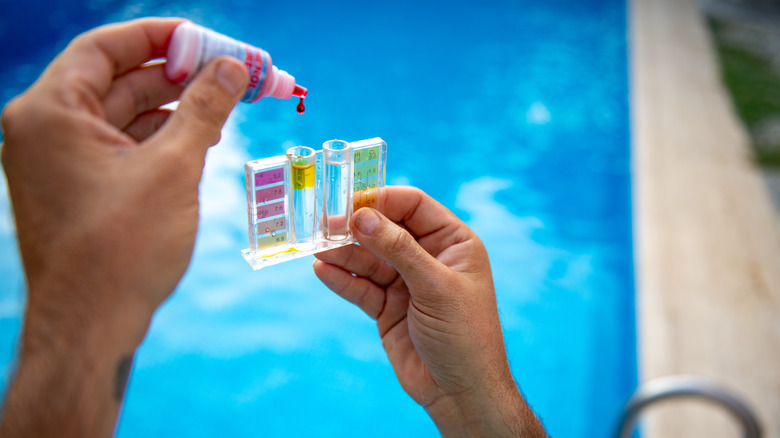
Test your pool’s pH at least twice a week. Use a reliable test kit or digital tester for accuracy. Record each result in a notebook or app. Check pH before and after adding vinegar. Watch for trends over days, not just single readings. Early detection of changes prevents bigger problems. Keep test supplies clean and store them properly.
Preventing Ph Fluctuations
Avoid adding vinegar all at once. Add small amounts gradually and retest between doses. Keep pool water circulation running during treatment. Sunlight and rain can affect pH levels. Cover your pool during heavy rain or storms. Balance alkalinity as it affects pH stability. Regularly clean filters and remove debris. Consistent maintenance reduces rapid pH changes.
Frequently Asked Questions
Can Vinegar Safely Lower Pool Ph Levels?
Yes, vinegar is safe for pools but works slowly and in small amounts to lower pH.
How Much Vinegar Should I Add To My Pool?
Add about one cup of vinegar per 10,000 gallons to lower pH slightly.
How Long Does Vinegar Take To Affect Pool Ph?
It usually takes several hours to see changes after adding vinegar to the pool.
Is Vinegar Better Than Chemicals For Ph Adjustment?
Vinegar is natural but less strong than pool chemicals and works slower.
Can Vinegar Harm Pool Equipment Or Surfaces?
Vinegar is mild and unlikely to damage pool parts if used in moderation.
How Often Should I Use Vinegar To Maintain Pool Ph?
Use vinegar sparingly, only when pH rises slightly above the ideal range.
Conclusion
Vinegar can help lower your pool’s pH safely and naturally. It works best in small amounts and with careful testing. Always check your pool’s pH before and after adding vinegar. Avoid using too much at once to keep water balanced.
This simple method can save money and reduce chemicals. Keep your pool clean and clear by managing pH well. Try vinegar as a gentle way to keep your pool water healthy.