
If you own a pool, you know how important it is to keep your equipment running smoothly all year round. When winter comes, your variable speed pool pump needs special attention to save energy and protect your investment.
Getting your pump settings right during the colder months can lower your bills and prevent costly damage. You’ll discover simple, effective tips to adjust your variable speed pool pump for winter. Keep reading to make sure your pool stays in top shape, even when the temperature drops.
Benefits Of Variable Speed Pumps
Variable speed pool pumps offer many benefits that improve your pool’s performance. They adjust their speed based on your pool’s needs. This makes them more efficient than traditional single-speed pumps. Using a variable speed pump during winter helps maintain water quality while saving energy and reducing wear on the system.
Energy Savings
Variable speed pumps use less electricity by running at lower speeds. They only work as hard as needed. This reduces energy use by up to 80% compared to single-speed pumps. Lower energy use means smaller electric bills and less environmental impact. Running the pump at a slow speed during winter keeps water clean and clear without wasting power.
Extended Equipment Lifespan
Running a pump at variable speeds reduces stress on the motor. Slower speeds cause less wear and tear. This helps parts last longer and reduces the chance of breakdowns. The pump runs smoothly and needs fewer repairs. Taking care of your pump with proper winter settings saves money on replacement and maintenance costs.
Quieter Operation
Variable speed pumps produce much less noise than single-speed pumps. Running at lower speeds makes the pump quieter. This creates a peaceful pool environment. You can enjoy your backyard without loud pump sounds. Quiet operation is especially useful during winter when you want calm and relaxation around your pool area.
Credit: poolpartstogo.com
Winter Challenges For Pool Pumps
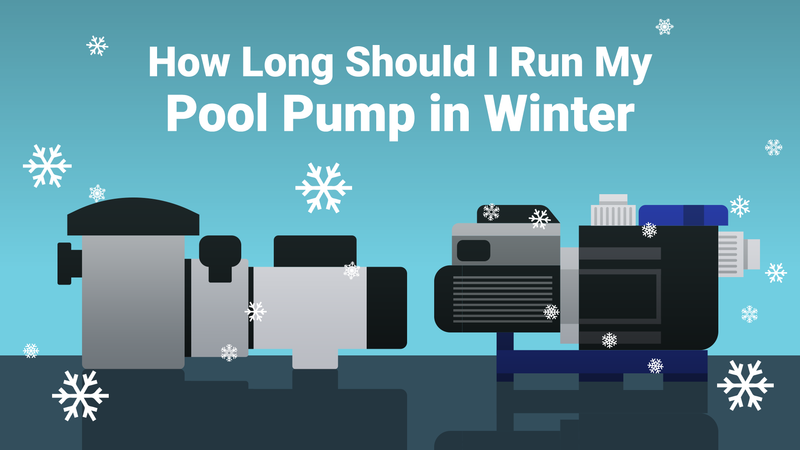
Winter brings many challenges for pool pumps. Cold temperatures and less pool use affect pump performance. Proper winter settings help protect your pump and keep it working well. Understanding common winter issues can save you time and money.
Cold Weather Effects
Cold weather makes pool water colder. This slows down pump motors and reduces flow. Some pumps may struggle to start or run efficiently. Cold also thickens pool chemicals, affecting water balance. Pumps must work harder, which can lead to wear and tear.
Freezing Risks
Freezing is a major risk for pool pumps in winter. Water inside the pump or pipes can freeze and expand. This expansion can crack pipes, seals, or the pump housing. Damage from freezing water causes leaks and costly repairs. Running the pump at low speeds helps prevent freezing by keeping water moving.
Reduced Pool Usage
Winter means less swimming and pool activity. Pumps run less often, which can cause water stagnation. Stagnant water encourages algae and debris buildup. It also affects water clarity and cleanliness. Variable speed pumps can run at lower speeds to maintain circulation and prevent issues during low usage.
Adjusting Speed Settings For Winter
Adjusting your variable speed pool pump for winter helps save energy and protect your pool. Cooler temperatures mean your pool needs less circulation. Setting the right speed keeps water clean without wasting power. Here is how to adjust your pump speed for winter months.
Lowering Pump Speed
Reduce the pump speed to use less energy. Lower speeds still move enough water to prevent freezing. Running the pump at high speed wastes electricity in cold weather. Slow speeds allow the pump to run longer without high costs.
Balancing Circulation And Energy
Keep water moving to stop algae and debris buildup. Circulation prevents damage to pipes and equipment. Find a balance between enough flow and low power use. Too slow can cause problems. Too fast wastes energy.
Recommended Rpm Ranges
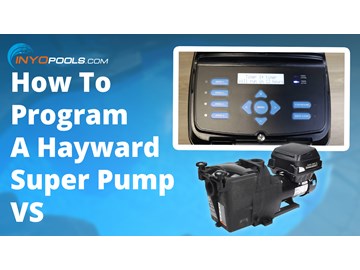
Set your pump between 500 and 1500 RPM in winter. This range keeps water moving without high energy use. Check your pool size and pump model for exact settings. Adjust as needed based on local climate and pool activity.
Credit: www.inyopools.com
Scheduling Pump Run Times
Scheduling your variable speed pool pump during winter saves energy and protects your pool. Setting the right run times keeps water clean and prevents damage from cold weather. Adjusting the schedule fits your pool’s specific needs and local climate.
Optimal Run Duration
Run the pump long enough to circulate water well. About 4 to 6 hours daily suits most pools in winter. This helps stop algae and keeps chemicals balanced. Shorter runs might not clean enough. Longer runs waste energy and money.
Using Timers And Automation
Timers make scheduling easy and precise. Set your pump to run during warmer daytime hours. Automation can change speeds based on water temperature or time. This saves energy by running slower speeds at night. It also reduces wear on your pump parts.
Avoiding Overuse
Running the pump too much wastes power and can cause damage. Overuse may wear out the motor faster. It can also lower water temperature, risking freeze damage. Stick to the recommended run times. Watch your pool’s condition and adjust only if needed.
Winter Maintenance Tips
Winter is a crucial time for your variable speed pool pump. Proper care during cold months helps prevent damage and saves money. Follow these winter maintenance tips to keep your pump running smoothly.
Cleaning And Inspection
Start by cleaning your pool pump thoroughly. Remove leaves, dirt, and debris from the pump basket. Check the pump housing for cracks or damage. Inspect the seals and O-rings for wear. Clean the pump’s impeller to avoid blockages. Regular inspection helps catch problems early.
Protecting Pump Components
Drain all water from the pump to prevent freezing. Cover the pump with a waterproof, insulated cover. Store the pump in a dry, sheltered place if possible. Avoid leaving the pump exposed to snow or ice. Protect electrical parts from moisture and cold.
Preparing For Spring Startup
Before restarting, clean the pump and filters again. Check all connections and replace worn parts. Refill the pump with water and prime it carefully. Test the pump at low speed first. This ensures a smooth start to the swimming season.

Credit: www.discountsaltpool.com
Troubleshooting Common Issues
Winter can be tough on your variable speed pool pump. Problems may arise due to cold temperatures and less use. Troubleshooting common issues helps keep the pump working well all season. This guide covers typical problems and easy fixes.
Pump Not Running Efficiently
The pump may slow down or lose power in cold weather. Check the speed settings first. Make sure the pump is set to a low but steady speed. Clear any debris from the pump basket and filter. Dirty parts reduce flow and strain the motor. Inspect the pipes for leaks or blockages. Cold can cause water to freeze and block flow. Running the pump less often can also hurt efficiency.
Noise And Vibration Problems
Unusual sounds or shaking often mean a mechanical issue. Loose parts can cause noise and vibration. Tighten any bolts or screws on the pump. Check the motor mount for wear or damage. Air trapped in the system can cause rattling. Bleed the air from the pump and pipes. Worn bearings or impellers may need replacement. Noise signals that the pump needs service soon.
Error Codes And Alerts
Variable speed pumps often show error codes on the display. These codes point to specific problems. Consult the user manual to decode alerts. Common errors include motor overload, low voltage, or sensor faults. Reset the pump by turning it off and on. If errors persist, check electrical connections and wiring. Some problems require professional repair. Ignoring alerts can cause serious damage.
Frequently Asked Questions
How Should I Set My Variable Speed Pool Pump For Winter?
Lower the pump speed and reduce run time to save energy during colder months.
Can I Run My Pool Pump Less In Winter?
Yes, running the pump fewer hours helps prevent freezing and reduces energy use.
What Is The Ideal Pump Speed For Winter Months?
Use the lowest speed that keeps water circulating to avoid freezing and maintain cleanliness.
Why Adjust Pool Pump Settings In Winter?
Adjusting saves energy and protects the pool plumbing from cold damage.
How Long Should I Run The Pool Pump Daily In Winter?
Running the pump 4 to 6 hours daily usually keeps water moving and prevents ice.
Should I Turn Off My Variable Speed Pump In Winter?
It’s best to keep it running at low speed to avoid frozen pipes and water issues.
Conclusion
Setting your variable speed pool pump correctly for winter saves energy and protects your pool. Lower speeds keep water moving without using much power. This prevents freezing and keeps the pump healthy. Adjust settings based on local weather and pool size.
Regular checks help spot issues early. A well-set pump means fewer problems in spring. Keep it simple, and your pool stays safe all winter long. Small steps now lead to big savings later. Easy to do, smart to try.