
When it comes to choosing the right door frame, you might find yourself stuck between two options: split jamb and flat jamb. But which one is truly best for your home?
Understanding the differences can save you time, money, and frustration. You’ll discover what makes each jamb type unique and how to pick the perfect fit for your space. Ready to make a confident choice that suits your style and needs?
Keep reading—you’re just one step away from mastering door frames like a pro.
What Is A Jamb?
A jamb is a key part of a door or window frame. It is the vertical side that holds the door or window in place. Without jambs, doors and windows would not fit or function properly.
Jambs provide support and structure. They help keep the door or window stable. They also create a seal to block wind, noise, and water.
Understanding jambs helps in choosing the right frame style. It also aids in proper installation and repair.
Definition Of A Jamb
A jamb is the upright section on each side of a door or window. It connects the horizontal parts called the head and the sill. Together, they form the frame.
Function Of A Jamb
Jambs support the weight of the door or window. They keep it aligned for smooth opening and closing. Jambs also help seal gaps and improve insulation.
Materials Used For Jambs
Common jamb materials include wood, metal, and vinyl. Wood is traditional and easy to work with. Metal offers strength and durability. Vinyl resists moisture and requires less upkeep.
Features Of Split Jamb
The split jamb is a popular choice for door frames. It offers unique features that set it apart from flat jambs. Understanding these features helps in choosing the right jamb for your project.
Design And Construction
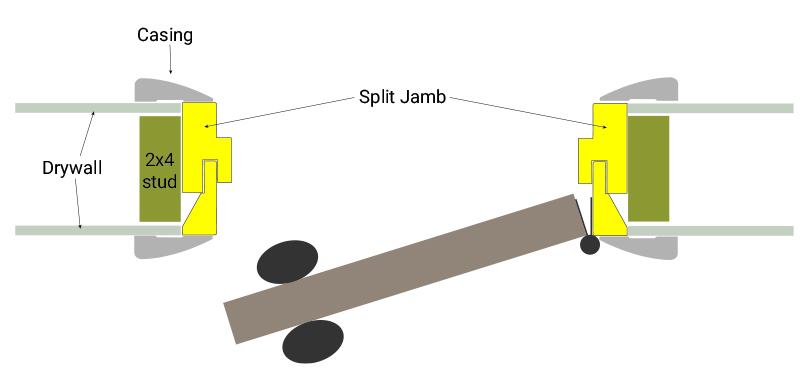
Split jambs have two parts: an inner frame and a removable outer trim. This design allows easy access to the wall cavity. The frame fits tightly around the door, creating a clean look. The removable trim covers any gaps and uneven edges. This makes the door frame look neat and finished.
Installation Process
Installing a split jamb is straightforward and fast. The inner frame is fixed to the rough opening first. Then, the door is hung on the frame. Finally, the outer trim snaps or screws onto the inner frame. This makes adjustments simple without removing the entire frame. Split jambs reduce labor time and effort.
Material Options
Split jambs come in many materials. Wood is common for a natural look. MDF is a budget-friendly option with smooth surfaces. Vinyl split jambs resist moisture and insects. Metal split jambs offer extra strength and durability. Each material suits different styles and needs.
Features Of Flat Jamb
Flat jambs offer a clean and modern look for doors and windows. They fit flush against the wall, creating a smooth surface. This design helps to make rooms appear larger and more open. Flat jambs are popular in contemporary homes and commercial spaces.
Design And Construction
Flat jambs have a simple, straight design. They do not have extra trim or molding. This makes them less bulky than traditional jambs. The flat surface aligns with the wall, giving a neat finish. They are made to fit tightly around doors or windows. This helps to prevent drafts and improve energy efficiency.
Installation Process
Installing flat jambs is usually quicker than split jambs. They require precise measurements for a perfect fit. The flat edges make it easier to align with the wall. Installers use screws or nails to secure the jamb in place. After installation, the surface can be painted or wallpapered for a seamless look.
Material Options
Flat jambs come in various materials. Wood is common for its natural appearance and strength. MDF is popular for its smooth finish and affordability. Metal flat jambs offer durability and a modern style. Some flat jambs use PVC for moisture resistance in damp areas. Choosing the right material depends on budget and room use.
Credit: evermark-lnl.com
Durability And Maintenance
Durability and maintenance are key factors in choosing between split jamb and flat jamb door frames. These qualities affect how long the door frame lasts and how much care it needs over time.
Understanding durability helps in deciding the best option for your home or project. Maintenance needs determine how often you must fix or clean the frame to keep it looking good and working well.
Split Jamb Durability
Split jambs are strong due to their layered design. They handle pressure and impacts better than flat jambs. This makes them a good choice for busy areas. They resist warping and cracking over time. Wood split jambs may need sealing to protect from moisture. Overall, split jambs offer lasting strength and stability.
Flat Jamb Durability
Flat jambs are simpler and less thick. They may not withstand heavy impacts well. Flat jambs can warp or bend in humid conditions. They suit low-traffic or interior doors best. Their durability depends on the material used. Metal or composite flat jambs can last longer than wood ones.
Maintenance Tips
Clean door frames regularly with a soft cloth. Avoid harsh chemicals that can damage the finish. Check for cracks or gaps and fix them quickly. Use paint or sealant to protect wood jambs from moisture. Lubricate hinges to prevent squeaking and wear. Regular care keeps door frames strong and attractive.
Aesthetic Appeal
The aesthetic appeal of door jambs plays a key role in home design. It affects how doors blend with walls and room decor. Choosing between split jamb and flat jamb impacts the look and feel of your space. Each type offers unique visual qualities that can enhance or simplify the room’s style.
Visual Differences
Split jambs have a layered look with a frame that fits around the wall edge. This creates depth and shadow, adding dimension to the doorway. Flat jambs are simpler, with a smooth, flush surface against the wall. They offer a clean, minimalist appearance without extra detailing.
Split jambs often look more traditional or classic. Flat jambs fit better with modern and sleek designs. The choice changes the door’s presence and how much it stands out in the room.
Style Compatibility
Split jambs suit homes with crown molding or detailed trim. They match well with vintage or colonial interiors. Their shape complements ornate woodwork and textured walls.
Flat jambs are ideal for contemporary spaces. Their simplicity pairs well with plain walls and straight lines. They create a seamless look that supports modern furniture and decor.
Choosing the right jamb style helps keep the design consistent. It makes the doorway feel like a natural part of the room’s style.
Cost Comparison
Cost is a key factor when choosing between split jamb and flat jamb. Understanding the price differences helps in planning your budget. Both types have unique expenses tied to materials and labor. Let’s explore these costs in detail to see which option fits your budget.
Material Costs
Split jambs usually cost more for materials. They include extra parts like the frame and trim. This adds to the price of wood or metal needed. Flat jambs use fewer materials, making them cheaper to buy. The simpler design cuts down on waste and excess pieces.
Labor And Installation Costs
Installing split jambs takes more time and skill. Workers must fit several parts precisely. This raises the labor cost compared to flat jambs. Flat jambs install faster and easier. Less time on the job means lower installation fees. This option often saves money on labor bills.
Best Uses For Split Jamb
Split jambs work well in many door and window installations. They offer flexibility and ease during fitting. These jambs are ideal for projects with uneven walls or varying wall thicknesses. Their design helps cover gaps, creating a neat finish.
Split jambs suit both new builds and renovation projects. They save time and reduce labor costs. Their adaptability makes them a practical choice for many builders and DIYers.
Residential Door Frames
Split jambs are great for home door frames. They adjust easily to different wall sizes. This helps fit doors tightly without extra carpentry work. They also hide imperfections around the door opening.
Window Installations
Split jambs fit well around window openings. They cover uneven edges and gaps smoothly. This creates a clean look inside rooms. They work with many window styles and sizes.
Renovation And Remodeling
Split jambs simplify remodeling old homes. Walls in older buildings are often uneven. These jambs adapt to those irregularities. They reduce the need for wall repairs before door or window fitting.
Commercial Buildings
Split jambs also work in commercial spaces. They help install doors quickly and neatly. Their strong design supports heavy use. Easy replacement is another benefit for busy buildings.
Credit: www.youtube.com
Best Uses For Flat Jamb
Flat jambs are a simple and clean choice for door frames. They fit well in many settings because of their smooth, flat design. Their style makes them ideal for modern and minimalistic interiors. Flat jambs offer a neat look without extra layers or complicated edges.
These jambs work best in places where space is limited or where a streamlined appearance is needed. They are easy to install and maintain. Flat jambs also provide a subtle finish that does not distract from other design elements.
Residential Interior Doors
Flat jambs suit bedrooms, bathrooms, and closets. Their plain design blends easily with walls and trim. This creates a calm and tidy look. Homeowners prefer flat jambs for simple doorways.
Commercial Spaces
Offices and shops often use flat jambs. They fit well with modern décor and clean lines. Flat jambs also handle frequent door use without showing wear. This makes them practical for busy areas.
Small Rooms And Hallways
Flat jambs help save space in tight areas. Their slim profile does not add bulk. This keeps narrow hallways and small rooms from feeling crowded. Flat jambs keep these spaces open and easy to move through.
Painted Or Stained Finishes
Flat jambs work well with painted or stained wood. Their simple shape shows off colors and textures clearly. This allows for creative decoration without distraction. Flat jambs highlight the finish instead of hiding it.
Common Mistakes To Avoid
Choosing between a split jamb and a flat jamb can be tricky. Many make mistakes that cause delays and extra costs. Avoiding these errors helps ensure a smooth installation and lasting results. Below are common mistakes to watch out for.
Incorrect Measurements
Measuring the door frame inaccurately leads to poor fitting jambs. Always double-check the height, width, and thickness. A small error can cause gaps or tight spots. Use a reliable tape measure and note dimensions carefully.
Ignoring Wall Thickness
Split jambs fit walls of varying thickness. Flat jambs suit uniform walls. Using the wrong jamb type for your wall thickness creates gaps and weak support. Match the jamb style to the wall size for stability.
Skipping Surface Preparation
Dirty or uneven surfaces prevent proper jamb attachment. Clean and smooth the wall edges before installation. This step ensures the jamb sits flush and stays secure over time.
Not Considering Door Swing
Door swing affects jamb placement and design. Installing a jamb without checking the swing direction causes fitting problems. Confirm door swing side before buying or fitting jambs.
Using Incompatible Hardware
Some hinges or locks don’t fit well with certain jamb types. Match hardware with the jamb style for smooth operation. Using wrong hardware can damage the jamb or door.
Credit: southsidebuildingcenter.com
Frequently Asked Questions
What Is The Main Difference Between Split Jamb And Flat Jamb?
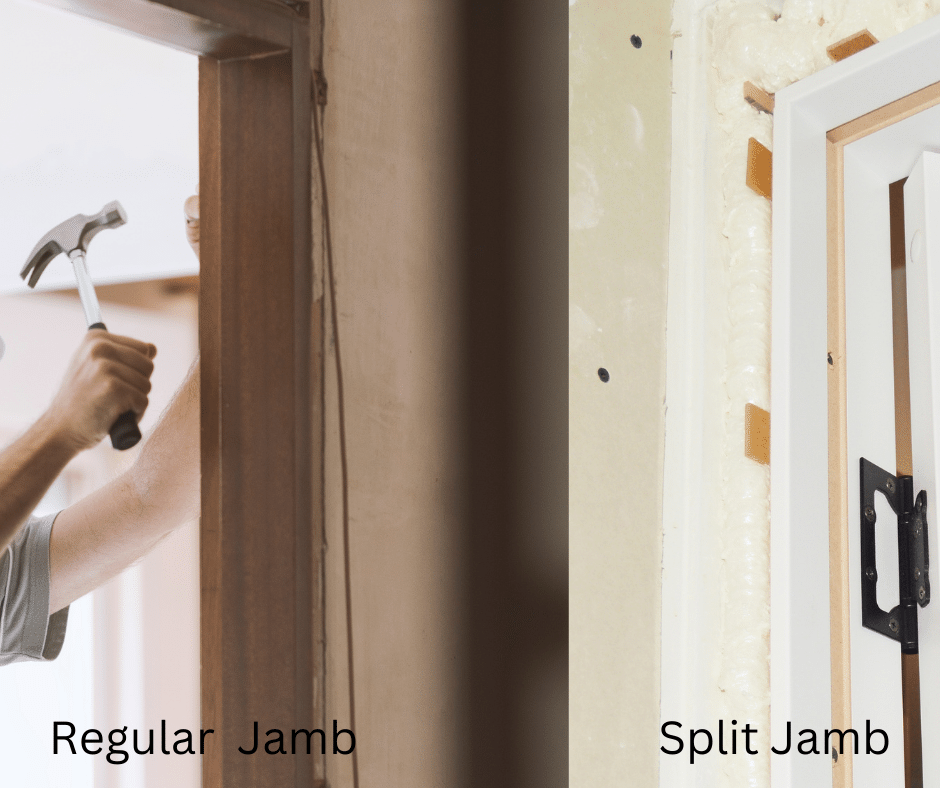
Split jambs have two parts joined together; flat jambs are a single flat piece.
Which Jamb Type Is Better For Older Homes?
Split jambs fit uneven walls better, making them ideal for older homes.
Can Flat Jambs Be Painted Easily?
Yes, flat jambs have a smooth surface that is easy to paint.
Are Split Jambs More Expensive Than Flat Jambs?
Split jambs usually cost more due to their complex design and installation.
Which Jamb Style Offers Better Insulation?
Split jambs can provide better insulation by fitting snugly around the door frame.
How Do Flat Jambs Affect Door Installation Speed?
Flat jambs allow quicker installation because they are simpler and require less adjustment.
Conclusion
Choosing between split jamb and flat jamb depends on your door needs. Split jambs fit uneven walls better and save time. Flat jambs look simple and work well with smooth walls. Both types have pros and cons. Think about your wall type and installation skill.
This helps you pick the right jamb for your door. A good choice makes your door strong and neat. Take your time to decide what fits best. Your door will look great and last longer. Simple choices bring better results.