
When you’re ready to drill clean, precise holes in wood, choosing the right bit can make all the difference. You might have come across spade bits and Forstner bits but wonder which one suits your project best.
Understanding how each bit works will save you time, effort, and frustration. You’ll discover the key differences between spade bits and Forstner bits, so you can pick the perfect tool and get your job done right the first time. Keep reading to find out which bit will give you smoother cuts, cleaner holes, and better results for your woodworking needs.
Spade Bit Features
Spade bits are popular tools for drilling large holes in wood quickly. Their unique features make them a favorite for many DIY projects and woodworking tasks. Understanding these features helps in choosing the right bit for your needs.
Design And Shape
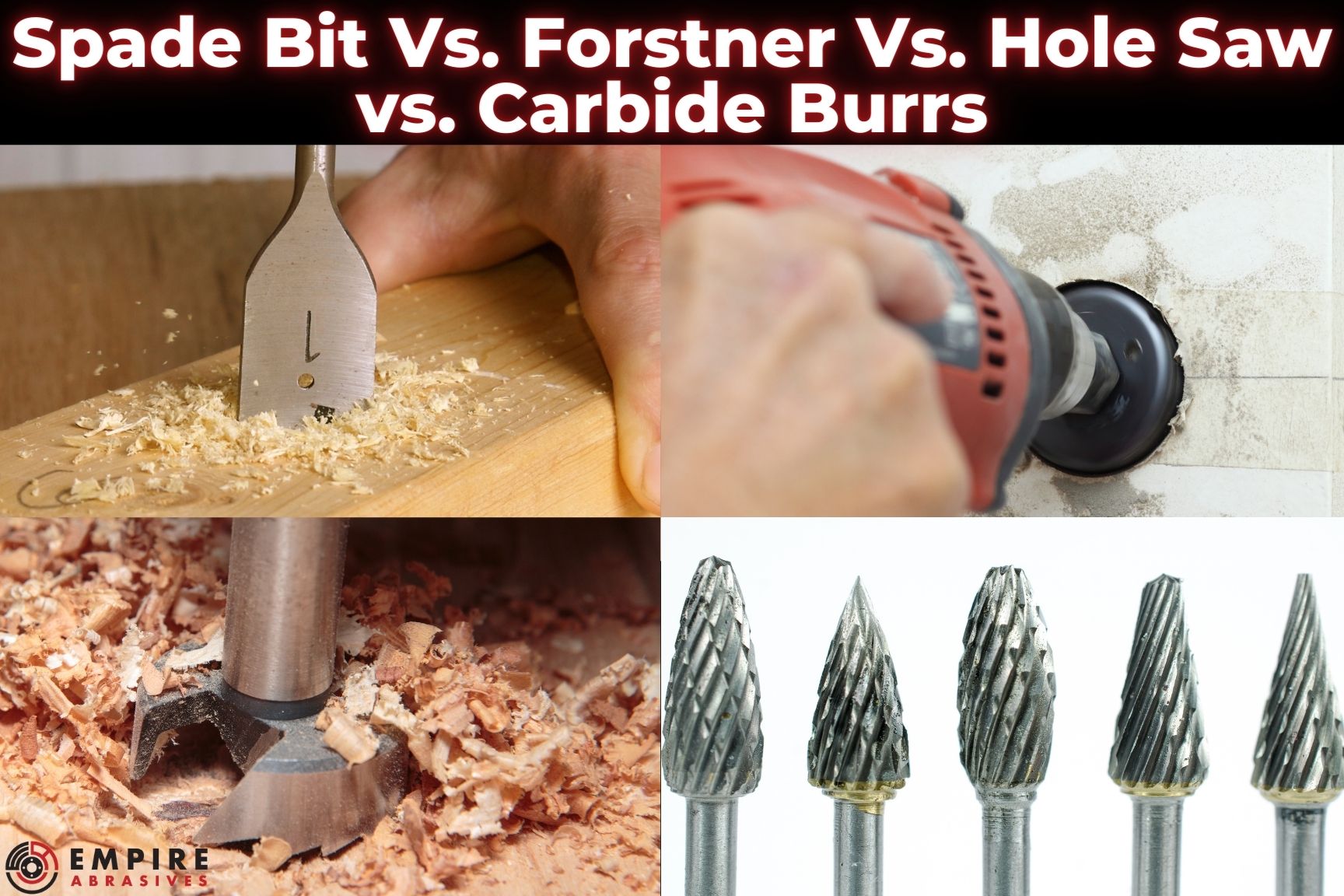
Spade bits have a flat, paddle-like shape. The flat blade ends in a sharp point at the center. This point helps to position the bit on the wood. Two cutting edges on each side of the blade remove wood fast. Their simple design makes them easy to use and control.
Material And Durability
Spade bits are often made from high-speed steel. This material keeps the bit sharp for longer use. Some bits have a black oxide coating to resist rust and wear. Proper care can extend a spade bit’s life significantly. They are strong but can dull if used on hard materials.
Common Sizes
Spade bits come in sizes from 1/4 inch to 1 1/2 inches. The most common sizes are 3/8 inch, 1/2 inch, and 3/4 inch. These cover most household drilling needs. Larger sizes are available but used less often. Choose the size based on the hole you need to drill.
Forstner Bit Features
The Forstner bit is a popular choice for precise woodworking tasks. It creates clean, flat-bottomed holes without splintering the wood. This bit works well for drilling overlapping holes and angled entry points. Its unique features make it a reliable tool for many woodworkers.
Design And Shape
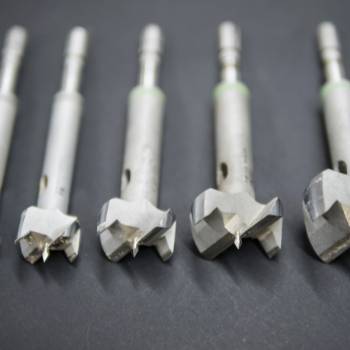
The Forstner bit has a round, flat cutting edge. It includes a small center point for accurate positioning. The sharp rim cuts the hole’s edge cleanly. This design helps produce smooth and neat holes in wood.
Material And Durability
Forstner bits are usually made from high-speed steel or carbide. These materials resist wear and stay sharp longer. The strong construction allows the bit to handle tough wood types. This durability ensures consistent performance over time.
Common Sizes
Forstner bits come in many sizes, from small to large diameters. Common sizes range from 1/4 inch to 2 inches. This variety suits different woodworking projects and hole sizes. Choosing the right size ensures clean and precise holes every time.
Cutting Performance
Cutting performance is a key factor when choosing between a spade bit and a Forstner bit. Both tools serve to bore holes in wood but differ in speed, cut quality, and type of cuts. Understanding these differences helps pick the right bit for your project.
Speed And Efficiency
Spade bits work fast. Their flat design removes wood quickly. They are best for rough cuts and large holes. Forstner bits cut slower but with more control. They take time to create smooth holes. Choose speed with spade bits, precision with Forstner bits.
Cleanliness Of Cut
Forstner bits make clean, smooth holes. The edges are sharp and neat. Spade bits leave rough edges and splinters. Extra sanding is often needed. For projects needing a tidy finish, Forstner bits perform better.
Types Of Cuts
Spade bits are good for through-holes and quick work. They can handle larger diameter holes easily. Forstner bits excel at drilling flat-bottom holes and overlapping holes. They are ideal for detailed woodworking and furniture making. Each bit suits different cutting styles.
Best Uses For Spade Bits
Spade bits are popular tools for drilling large holes in wood. They work best with soft and medium-hard woods. Their flat, paddle-like shape helps remove wood chips quickly. This makes drilling fast and efficient. Spade bits are ideal for simple woodworking tasks that need rough holes.
Wood Types
Spade bits perform well on softwoods like pine and cedar. They also work on hardwoods such as oak and maple. But hardwood may dull the bit faster. Avoid using spade bits on plywood or laminated wood. The layers can cause splintering and rough edges.
Project Examples
Spade bits are great for making holes for wires or pipes. They help create openings in furniture frames and shelves. Use them to drill holes for door locks or handles. Spade bits are handy for quick jobs where precision is not critical.
Limitations
Spade bits can cause splintering on delicate wood surfaces. They do not make clean, smooth holes like Forstner bits. The bit’s point can wander if not held steady. They are not suited for drilling deep or very precise holes. For fine woodworking, other bits work better.
Best Uses For Forstner Bits
Forstner bits are a popular choice for precise, clean holes in woodworking. They create flat-bottomed holes with smooth edges. These bits work well in many projects where detail matters. Understanding their best uses helps you pick the right tool for your job.
Wood Types
Forstner bits perform best on hardwoods like oak, maple, and cherry. They also work well on softwoods such as pine and cedar. The bit cuts cleanly without splintering the wood surface. Using them on plywood or composite wood may cause rough edges. Choose solid wood for the best results.
Project Examples
These bits excel in furniture making, especially for drilling holes for hinges. Cabinet doors and drawers benefit from smooth, accurate holes. Forstner bits also work well in creating flat-bottomed holes for dowels or plugs. Woodworkers use them to make decorative holes in crafts and toys. They offer control for detailed, fine woodworking tasks.
Limitations
Forstner bits require slower drilling speeds to avoid burning the wood. They are not ideal for deep holes because they can overheat. These bits need a powerful drill or drill press to work well. They do not work well on metal or plastic materials. Using them on soft or thin wood can cause the bit to wander.
Ease Of Use And Handling
Choosing between a spade bit and a Forstner bit depends a lot on how easy they are to use. Handling these bits well affects the quality of your work and your safety. Both bits have unique features that change the way you control and use them. Understanding these differences helps you pick the right tool for the job.
Control And Stability
Spade bits are lightweight and simple. They tend to wobble more during drilling. This can make it harder to keep the hole straight. Forstner bits have a flat bottom and sharp edges. These provide better control and stability. They cut cleaner holes with less effort to guide them.
Compatibility With Tools
Spade bits fit most standard drills easily. They work well with cordless and corded drills. Forstner bits need drills with high torque. They are often used with drill presses for best results. Not all handheld drills can handle Forstner bits well.
Skill Level Required
Spade bits are good for beginners. They are easy to start with and learn quickly. Forstner bits require some experience. They need steady hands to avoid slipping. These bits are better for precise and professional work.
Price And Value
Choosing between a spade bit and a Forstner bit often comes down to price and value. Both have different costs and benefits. Understanding these can help you decide which tool suits your needs best.
Cost Comparison
Spade bits are usually less expensive than Forstner bits. You can find spade bits in sets for a low price. Forstner bits cost more because they are made for precision. The higher price reflects their build quality and cutting ability.
Longevity
Forstner bits last longer than spade bits. They use stronger materials and sharp edges that stay sharp. Spade bits wear out faster and may need replacing sooner. Proper care can extend the life of both bit types.
Overall Value
Spade bits offer good value for simple, quick drilling jobs. Forstner bits provide better results for smooth, clean holes. They are worth the extra cost if you need precise work. Consider your projects and budget to choose the best option.
Credit: www.empireabrasives.com
Safety Tips
Safety is key when using spade bits and Forstner bits. Both tools can cause injury without care. Understanding how to use them correctly keeps you safe. Follow safety tips for smooth, safe drilling.
Proper Usage
Always secure the wood before drilling. Hold the drill steady and apply gentle pressure. Do not force the bit into the material. Use the right speed for each bit type. Keep your hands away from the spinning bit.
Protective Gear
Wear safety glasses to protect your eyes from wood chips. Use ear protection to reduce noise damage. Gloves can shield your hands but avoid loose fits. Consider a dust mask to prevent inhaling fine particles.
Maintenance
Check bits for dullness or damage before use. Clean bits after each project to remove debris. Store bits in a dry place to prevent rust. Sharpen bits regularly for better cutting and safety.
Choosing The Right Bit
Choosing the right bit is key to a smooth woodworking project. Each bit serves a specific purpose. Picking the correct one saves time and effort. The right bit also protects your tools and materials. Let’s explore how to decide between a spade bit and a Forstner bit.
Project Requirements
Think about the hole size you need. Spade bits cut large, rough holes fast. Forstner bits create clean, flat-bottomed holes. Consider if you want a through hole or a blind hole. Forstner bits are better for precise, shallow holes. Spade bits work well for quick, deep holes.
Material Considerations
Softwood and plywood suit spade bits well. They cut quickly but leave rough edges. Hardwoods need a cleaner finish. Forstner bits cut hardwood smoothly. They reduce tear-out and splintering. Choose based on wood type and finish quality needed.
Budget And Preferences
Spade bits cost less and are widely available. Forstner bits are pricier but last longer. Think about how often you will use the bit. Frequent use may justify a higher investment. Personal comfort with handling each bit matters too.
Credit: www.empireabrasives.com

Credit: www.alabamawoodworker.com
Frequently Asked Questions
What Is The Main Difference Between Spade And Forstner Bits?
Spade bits have a flat blade, while Forstner bits have a round, smooth cutting edge.
Which Bit Is Better For Clean, Precise Holes?
Forstner bits make cleaner and more accurate holes than spade bits.
Can Spade Bits Drill Large Diameter Holes Easily?
Yes, spade bits are good for drilling large holes quickly in wood.
Are Forstner Bits Suitable For Drilling Angled Holes?
Yes, Forstner bits can drill angled and overlapping holes with precision.
Which Bit Works Faster On Softwood?
Spade bits drill faster on softwood due to their simple design.
Is A Drill Or Drill Press Better For These Bits?
A drill press offers better control, especially for Forstner bits and precise holes.
Conclusion
Spade bits and Forstner bits serve different purposes in woodworking. Spade bits cut quickly but leave rough edges. Forstner bits create smooth, clean holes with precision. Choose the bit that fits your project needs best. Both tools have value in every woodworker’s kit.
Understanding their strengths helps you work smarter, not harder. Simple tools, clear results. Which bit suits your next project?