
Are you trying to choose the perfect natural stone for your next project? Whether it’s for your patio, flooring, or outdoor pathway, the decision between slate and bluestone can feel overwhelming.
Both offer unique beauty and durability, but which one truly fits your style and needs? You’ll discover the key differences, benefits, and drawbacks of slate versus bluestone. By the end, you’ll have the clear insight you need to make the best choice confidently.
Keep reading to find out which stone will transform your space just the way you want.
Slate Characteristics
Slate is a popular natural stone used in homes and gardens. It has unique features that set it apart from other stones like bluestone. Understanding slate’s characteristics helps in choosing the right material for your project.
Slate offers a mix of beauty and strength. Its qualities make it suitable for roofing, flooring, and decorative uses. Below are key details about slate’s formation, color, texture, and durability.
Formation And Composition
Slate forms from clay and volcanic ash under pressure and heat. This process happens over millions of years deep in the earth. Slate mainly contains minerals like quartz, mica, and chlorite. These minerals give slate its fine layering and smooth feel.
Color Variations
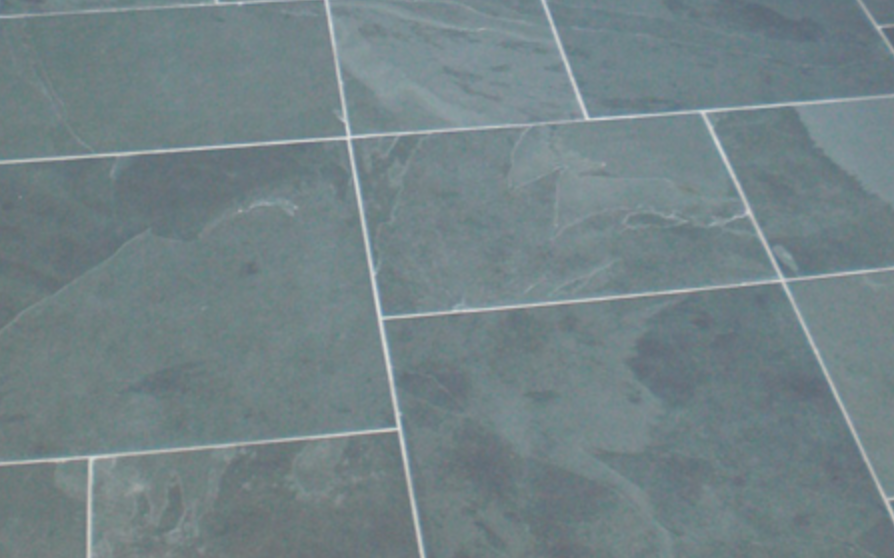
Slate comes in many colors, including gray, black, green, purple, and red. The color depends on the minerals present during formation. Natural color patterns add a unique look to each piece. This variety makes slate a versatile choice for many styles.
Texture And Finish
Slate has a fine-grained texture with thin layers. It splits easily into flat sheets, ideal for tiles and panels. Slate can have a matte or slightly shiny finish. The surface feels smooth but not slippery, making it safe for floors.
Durability And Strength
Slate is strong and resistant to cracks and chips. It handles harsh weather well, including rain and frost. Slate stays stable under heavy foot traffic and weight. This durability makes slate a long-lasting material choice.
Credit: www.jansennursery.com
Bluestone Features
Bluestone is a popular natural stone used in many outdoor and indoor projects. It offers a mix of beauty and strength. Understanding its features helps you decide if it fits your needs. Below are key details about Bluestone.
Geological Background
Bluestone is a type of sandstone. It forms from compressed sand and minerals over millions of years. Its origin is mainly in regions with rich sediment deposits. The natural process gives Bluestone its unique look and durability.
Color And Appearance
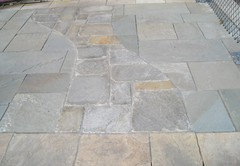
Bluestone shows colors like blue, gray, and green. Sometimes, it has subtle hints of brown or purple. This variety allows it to match many design styles. Its colors appear natural and calm.
Surface Texture Options
Bluestone offers several surface finishes. You can find it in smooth, honed, or rough textures. Each texture suits different uses, from patios to walkways. Textures affect both look and grip.
Hardness And Longevity
Bluestone is strong and lasts many years. It resists weather changes well. This stone handles heavy foot traffic without damage. Its hardness makes it ideal for outdoor areas.
Comparing Aesthetic Appeal
Comparing the aesthetic appeal of slate and bluestone helps in choosing the right stone for your space. Both stones offer unique looks that can change the feel of any area. Understanding their visual traits can guide you to a better decision.
Natural Look And Feel
Slate has a smooth, flat surface with a layered texture. It feels cool and solid underfoot. Bluestone features a rougher texture with small grains. It offers a more rugged, earthy vibe. Both feel natural but differ in surface touch and detail.
Suitability For Different Styles
Slate fits well with modern and minimalist designs. Its sleek surface adds a clean look. Bluestone suits rustic, traditional, and outdoor styles. Its rough texture blends well with nature. Each stone works best with certain decor styles.
Color Consistency
Slate shows more color variation in grays, greens, and purples. This adds character and depth. Bluestone typically has consistent blue-gray tones. The uniformity gives a calm and steady look. Color choice depends on the mood you want.
Aging And Weathering
Slate ages slowly and keeps its color well. It resists fading and cracking. Bluestone changes color over time, gaining a natural patina. Weathering enhances its rustic charm. Both stones improve with age but in different ways.
Installation Considerations
Choosing between slate and bluestone affects installation steps and costs. Understanding their differences helps plan the project well. Each stone has unique features that impact handling and labor. Below are key points to consider for installing these materials.
Ease Of Cutting And Shaping
Slate is softer and easier to cut than bluestone. It allows for more detailed shapes with simple tools. Bluestone is harder and needs special saws for cutting. Mistakes are harder to fix with bluestone because it can chip or crack.
Weight And Handling
Bluestone is generally heavier than slate. This affects how many people are needed for moving pieces. Slate tiles are lighter and easier to carry around the site. Heavy bluestone slabs require careful handling to avoid injuries or damage.
Required Tools And Techniques
Slate installation needs basic masonry tools like a wet saw and chisels. Bluestone requires diamond blade saws and grinders. Proper dust control is important with both stones. Cutting bluestone takes longer due to its hardness.
Labor Costs
Labor costs for bluestone tend to be higher due to its difficulty. Slate’s lighter weight and easier cutting reduce installation time. Projects with bluestone may need more experienced workers. Budgeting should reflect these differences for accurate cost estimates.
Maintenance Needs
Maintenance needs are key when choosing between slate and bluestone. Both stones require care but differ in how you keep them looking good. Understanding their cleaning, sealing, stain resistance, and repair helps you decide which fits your lifestyle best.
Cleaning Methods
Slate cleans easily with mild soap and water. Avoid harsh chemicals that can damage the stone’s surface. Bluestone needs gentle cleaning too, but it can handle a bit more scrubbing. Use a soft brush for stubborn dirt on both stones. Regular sweeping removes grit that can scratch the surface.
Sealing Requirements
Slate usually needs sealing every 1 to 2 years. Sealing protects it from moisture and stains. Bluestone requires sealing more often, about once a year. Proper sealing keeps the stone’s color vibrant and prevents damage. Always use a sealant made for natural stone.
Resistance To Stains And Scratches
Slate resists scratches well but can stain if unsealed. Bluestone is softer and more prone to scratches. Stains are less common on bluestone if sealed properly. Both stones benefit from quick cleaning of spills to avoid marks. Sealants add a protective layer against stains.
Repair And Replacement
Slate chips and cracks can be repaired with epoxy. Bluestone repairs are similar but may need more attention due to softness. Replacing damaged pieces in both stones is possible but can be costly. Regular maintenance reduces the need for repairs and replacements.
Cost Comparison
Choosing between slate and bluestone often depends on cost. Both materials have unique price points. Understanding the costs helps make the right choice for your project.
Costs include the price of the material, installation, and long-term value. Availability can also affect the final expense.
Material Pricing
Slate usually costs less than bluestone. Prices vary by quality and thickness. Slate can range from $4 to $8 per square foot. Bluestone tends to be $6 to $12 per square foot. Bluestone’s unique color and texture can raise the price.
Installation Expenses
Slate is lighter and easier to cut. This lowers installation time and cost. Bluestone is heavier and harder to handle. It may need more skilled labor. Installation for bluestone can be 20% to 30% higher than slate.
Long-term Value
Both stones are durable and last for decades. Bluestone resists wear and weather slightly better. Slate may require occasional sealing. Bluestone’s strength can reduce future repair costs. Consider maintenance when comparing long-term expenses.
Availability And Sourcing
Slate is widely available in many regions. This makes it easier to find and cheaper to ship. Bluestone is less common and often comes from specific areas. Limited supply can increase its price. Local availability impacts overall project cost.
Best Uses For Slate
Slate is a natural stone known for its strength and beauty. It has many uses in homes and gardens. People choose slate for its durability and classic look. It fits well in both modern and traditional designs. Here are the best ways to use slate in your spaces.
Indoor Applications
Slate works great inside the home. It is common for kitchen countertops because it resists heat and scratches. Slate tiles add charm to bathrooms and entryways. This stone also makes excellent fireplace surrounds. It brings a natural feel to indoor spaces.
Outdoor Landscaping
Slate is perfect for outdoor projects. It creates strong and attractive garden paths. Use slate for steps and patios to add texture. It handles weather well and lasts many years. Slate edges also help define flower beds and borders.
Roofing And Flooring
Slate has been used on roofs for centuries. It is water-resistant and prevents leaks. Slate tiles are heavy but very durable for roofing. Inside, slate flooring adds elegance and is easy to clean. It stays cool underfoot, ideal for warmer climates.
Decorative Elements
Slate fits well as a decorative stone. It can be cut into shapes for wall art or signs. Slate coasters and trays add style to home décor. This stone’s natural colors and textures enhance any design. It blends well with wood and metal accents.
Credit: www.houzz.com
Best Uses For Bluestone
Bluestone is a popular choice for many outdoor projects. It offers strength and natural beauty. Its unique colors and texture fit many styles. Bluestone works well in areas that need durability and charm. It is perfect for both traditional and modern designs.
Patios And Walkways
Bluestone creates stunning patios and walkways. Its smooth surface is comfortable to walk on. The stone resists slips, making it safe for all weather. It blends well with plants and outdoor furniture. Bluestone patios add value and style to homes.
Pool Surrounds
Bluestone is ideal for pool surrounds. It stays cool under the sun, safe for bare feet. The stone handles water without damage. Its slip-resistant surface reduces the risk of falls. Bluestone enhances the pool area with a natural look.
Driveways
Bluestone works well for driveways. It is strong enough to hold heavy vehicles. The stone resists cracks and wear over time. Bluestone driveways look elegant and last long. They require less maintenance than other materials.
Garden Features
Bluestone adds beauty to garden features. Use it for steps, benches, and borders. Its natural hues match plants and flowers perfectly. Bluestone creates a peaceful and organic garden feel. It can shape paths or highlight garden art.
Environmental Impact
Choosing between slate and bluestone involves more than looks and cost. Their environmental impact plays a big role. Understanding how each stone affects nature helps make a better choice.
Sustainability Of Quarrying
Slate and bluestone come from quarries where stones are cut from the earth. Quarrying can harm landscapes and wildlife habitats. Slate quarries often last longer because slate forms in thick layers. Bluestone quarries may be smaller but can disrupt local environments more. Both need careful management to reduce damage.
Recyclability
Both stones can be reused or recycled. Slate is strong and can be repurposed for roofing or flooring. Bluestone pieces can be crushed and used in landscaping or as road base. Recycling stone lowers the need for new quarrying. It helps save natural resources and reduces waste.
Carbon Footprint
The carbon footprint includes mining, cutting, and transport. Slate is usually heavier, which means more fuel to move it. Bluestone can sometimes be sourced closer to building sites, lowering transport emissions. Cutting methods and energy sources also affect carbon output. Choosing local stone cuts down transport emissions.
Eco-friendly Alternatives
Other options exist besides slate and bluestone. Reclaimed stone and manufactured materials can mimic natural stone with less impact. Using smaller stone pieces or thinner slabs reduces raw material use. Some alternatives use recycled content or sustainable production methods. These choices help protect the planet while offering style and durability.

Credit: www.angi.com
Making The Right Choice
Choosing between slate and bluestone can be tricky. Both stones have unique features that suit different needs. Understanding how each one fits your project helps you make a smart decision. Consider several factors to find the best match for your space.
Assessing Project Needs
Think about the purpose of your project. Slate offers a smooth, elegant look. Bluestone is durable and sturdy. For patios or walkways, bluestone can handle heavy use. Slate works well for decorative walls or indoor floors. Match the stone to the function for lasting results.
Considering Climate And Location
Climate affects stone choice. Bluestone resists cold and wet conditions well. Slate may crack in freezing temperatures. In dry areas, both stones perform fine. Check how your local weather impacts durability. Choose a stone that stays strong over time.
Budget Planning
Slate and bluestone vary in cost. Bluestone tends to be pricier due to mining and transport. Slate is often more affordable. Factor in installation and maintenance costs. Plan your budget to cover all expenses. Don’t sacrifice quality for lower price.
Personal Style Preferences
Your taste plays a big role. Slate has a sleek, smooth surface. Bluestone features a rougher, textured look. Both come in several colors. Pick the stone that matches your home’s style. Let your preference guide the choice for satisfaction.
Frequently Asked Questions
What Is The Main Difference Between Slate And Bluestone?
Slate is a metamorphic rock, while bluestone is a type of sandstone with a blue tint.
Which Stone Is Better For Outdoor Patios, Slate Or Bluestone?
Bluestone is more durable and weather-resistant, making it ideal for outdoor patios.
How Do Slate And Bluestone Differ In Color And Appearance?
Slate has a smooth, dark surface; bluestone shows blue-grey shades with a textured finish.
Is Slate Or Bluestone Easier To Maintain?
Slate requires less maintenance because it resists stains and scratches better than bluestone.
Can Slate And Bluestone Be Used Indoors And Outdoors?
Yes, both stones work well indoors and outdoors but suit different styles and uses.
What Is The Cost Difference Between Slate And Bluestone?
Slate is generally less expensive, while bluestone costs more due to its durability and look.
Conclusion
Slate and bluestone both offer strong, natural beauty for outdoor spaces. Slate shows rich colors and a smooth texture. Bluestone is known for its durability and unique blue-gray shades. Choose based on your style and budget needs. Both stones last long with proper care.
Easy to clean and maintain, they fit many designs. Think about how you want your space to feel. Both options bring charm and value to your home. Simple choices make a big difference in the end.