
Are you setting up a pool and wondering if you should put pavers under the pool legs? This small step can make a big difference in the safety and stability of your pool.
If you want to protect your lawn, avoid sinking legs, and keep your pool steady all summer long, you need to know the truth about using pavers. Keep reading to discover why this simple addition might save you time, money, and a lot of hassle.
Don’t start filling your pool until you get this right!

Credit: www.reddit.com
Why Pool Legs Need Support
Pool legs need proper support to keep your pool safe and strong. Without support, legs can sink or shift. This causes damage to the pool and the ground below. Supporting pool legs helps keep your pool steady and protects the surface beneath it.
Risks Of Direct Ground Contact
Pool legs placed directly on the ground face many risks. Soft or uneven soil makes legs sink over time. This can cause the pool to lean or tip. Wet soil can cause rust and damage to metal legs. Direct contact also wears down the pool frame faster.
Impact On Pool Stability
Stable pool legs keep your pool safe to use. Supported legs stop the pool from wobbling or moving. This reduces the chance of leaks or breaks. Proper support spreads the pool’s weight evenly. It keeps the structure balanced and strong.
Preventing Ground Damage
Pool legs without support dig into the ground. This leaves holes and uneven spots. It can harm grass and plants around your pool. Using pavers or pads protects the soil surface. It helps keep your yard neat and healthy.
Benefits Of Using Pavers
Using pavers under pool legs offers many benefits. They create a stable base that supports the pool well. Pavers help protect your pool and the ground beneath it. They also make installation easier and keep maintenance simple.
These benefits make pavers a smart choice for pool owners. They improve safety and extend the life of your pool. Let’s explore how pavers help with weight, longevity, and upkeep.
Enhanced Weight Distribution
Pavers spread the pool’s weight evenly across the ground. This stops the legs from sinking into soft soil or grass. Even weight means your pool stays level and safe to use. No uneven spots or wobbling legs.
Improved Pool Longevity
Pavers protect the pool legs from dirt and moisture. This reduces rust and damage over time. A solid base also prevents the pool frame from bending or breaking. Pavers help your pool last longer and look better.
Ease Of Installation And Maintenance
Pavers create a flat surface that is easy to work on. You can place the pool legs quickly and securely. Cleaning around the pool is simpler with pavers in place. They also reduce grass and mud buildup near the pool.
Choosing The Right Pavers
Choosing the right pavers for pool legs is key to a stable setup. The right pavers protect your pool and the surface below. They spread the weight evenly and prevent damage. Picking the best paver depends on material, size, and weather conditions. Each factor affects durability and safety.
Material Options
Concrete pavers are strong and affordable. They handle heavy weight well. Natural stone pavers like slate or granite offer good strength and a nice look. Plastic or rubber pavers are softer but less durable. Choose materials that resist cracking and wear over time.
Size And Thickness Considerations
Thicker pavers support more weight and last longer. Thin pavers can break under pressure. Larger pavers cover more area and help spread the load. Small pavers may shift or dig into the ground. Match paver size and thickness to your pool’s weight and leg size.
Weather Resistance
Outdoor pavers face rain, sun, and freezing cold. Weather-resistant pavers stay strong without cracking. Concrete pavers with sealant resist water damage. Stone pavers handle heat but may absorb moisture. Choose pavers that suit your climate for longer life.
Preparing The Ground Before Installation
Preparing the ground before installing pavers under pool legs is very important. It helps the pool stand firm and avoids damage. A solid base prevents sinking and uneven surfaces. Taking time to prepare the area makes the installation last longer.
Clearing And Leveling The Area
Start by removing grass, rocks, and debris from the spot. Clear the ground completely to create a smooth surface. Next, use a shovel or rake to level the area. Make sure the ground is flat and even. A level base stops the pool legs from wobbling.
Adding A Base Layer
After leveling, add a base layer of gravel or crushed stone. Spread it evenly across the area. This layer improves stability and supports the pavers well. Compact the base using a tamper or roller. A firm base keeps the pavers in place and prevents shifting.
Ensuring Proper Drainage
Good drainage stops water from collecting under the pool. Water buildup can weaken the base and cause damage. Make sure the area slopes slightly away from the pool. This slope allows water to flow away naturally. Proper drainage protects both the pool and the pavers.
Installing Pavers Under Pool Legs
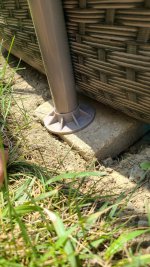
Installing pavers under pool legs helps protect your pool and the ground below. It stops legs from sinking into soft soil or damaging grass. Pavers create a stable base that spreads weight evenly. This keeps your pool level and safe.
Using pavers also makes your pool area look neat and clean. It prevents dirt and mud from sticking to the pool legs. This simple step can save you from future repairs and uneven pool problems.
Step-by-step Placement Guide
Start by choosing flat, strong pavers. Place them on firm ground below each pool leg. Make sure the ground is dry and clear of debris. Gently press the paver into the soil for stability.
Check that each paver is level. Adjust the soil if needed to keep it flat. Repeat for all pool legs. This builds a solid base for your pool.
Aligning Legs With Pavers
Lower the pool legs slowly onto each paver. Align legs so they sit fully on the paver surface. Avoid placing legs near the edge of pavers.
Ensure the legs do not wobble or shift. Proper alignment prevents damage and keeps the pool steady. Double-check all legs before filling the pool with water.
Securing The Setup
After placing legs on pavers, press down firmly. This locks the legs in place and stabilizes the pool. Add extra soil or sand around pavers if needed.
Inspect the setup regularly during pool use. Look for any movement or sinking. Adjust pavers or soil as needed to keep everything secure.

Credit: www.youtube.com
Alternative Support Options
Choosing the right support for pool legs helps keep your pool stable and safe. Pavers are common, but other options work well too. These alternatives protect your pool legs and the surface below. They also prevent sinking and damage over time.
Concrete Pads
Concrete pads offer strong, flat support for pool legs. They spread the pool’s weight evenly on the ground. Concrete lasts long and resists weather well. It prevents legs from sinking into soft soil. Installing concrete pads requires some work but gives solid stability.
Plastic Or Rubber Feet
Plastic or rubber feet attach to pool legs for extra grip. They stop legs from slipping on smooth surfaces. Rubber feet absorb shocks and reduce noise when moving the pool. These feet protect decking or patio surfaces from scratches. They are easy to install and remove as needed.
Wooden Blocks
Wooden blocks are a simple, affordable option to support pool legs. They raise legs off the ground and prevent sinking. Using treated wood helps resist moisture and decay. Wooden blocks can be cut to the right size for a perfect fit. They work well on grass, dirt, or uneven surfaces.
Maintenance Tips For Stability
Keeping pavers stable under pool legs is important for safety and durability. Regular care helps prevent damage and keeps the pool steady. Small efforts make a big difference over time. Follow these tips to maintain stability and enjoy your pool without worries.
Regular Inspections
Check pavers around pool legs often. Look for cracks, shifts, or sinking. Early spotting of problems stops bigger damage. Walk around the pool and inspect each support area. Note any changes and address them quickly.
Adjusting Pavers As Needed
Move or level pavers that have shifted. Use a flat tool to lift and reset them. Add sand or gravel under pavers for better support. Keep the surface even to avoid wobbling. Small adjustments keep the pool legs firm.
Preventing Erosion
Stop soil from washing away under pavers. Add mulch or plants nearby to hold soil in place. Avoid heavy watering close to pavers. Proper drainage helps keep the ground stable. Protecting soil stops pavers from sinking or tilting.
Credit: www.troublefreepool.com
Frequently Asked Questions
Should I Put Pavers Under Pool Legs?
Placing pavers under pool legs helps distribute weight evenly and prevents sinking into the ground.
What Types Of Pavers Work Best Under Pool Legs?
Concrete or stone pavers work best as they are strong and provide a stable base.
Can Pavers Protect My Pool Legs From Damage?
Yes, pavers reduce pressure on pool legs and protect them from wear and ground moisture.
How Thick Should Pavers Be Under Pool Legs?
Pavers should be at least 2 inches thick to support the pool’s weight safely.
Do Pavers Prevent Pool Legs From Sinking?
Yes, pavers create a firm surface that stops pool legs from sinking into soft soil.
Is It Necessary To Level Pavers Under Pool Legs?
Yes, leveling pavers ensures the pool stands evenly and avoids stress on the legs.
Conclusion
Placing pavers under pool legs helps protect your ground and pool stability. Pavers stop legs from sinking into soft soil or mud. They also make your pool safer and last longer. A simple step that saves money on repairs later.
Think about your yard’s condition before you decide. Small effort now avoids big problems in the future. Choose pavers to keep your pool steady and secure. Easy to install and affordable too. A smart choice for any pool owner.