
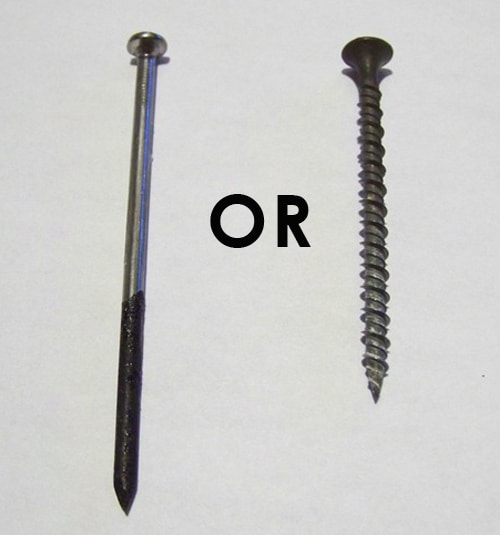
When it comes to framing your project, choosing between screws and nails can feel confusing. You want your work to be strong, reliable, and long-lasting.
But which one will give you the best results? Using the wrong fastener could mean extra work, wasted materials, or even a weaker structure. You’ll discover the key differences between screws and nails for framing. By the end, you’ll know exactly which option suits your needs and how to use it like a pro.
Keep reading to make your framing project easier and stronger than ever.
Credit: mosbybuildingarts.com
Material Strength Comparison
Material strength plays a key role in framing projects. Choosing between screws and nails depends on how strong each material is. Understanding their strength helps pick the right fastener for solid construction.
Tensile And Shear Strength
Tensile strength measures how much pulling force a fastener can hold. Screws often have higher tensile strength than nails. This means screws resist being pulled apart better.
Shear strength shows how well a fastener handles forces that push it sideways. Nails usually have good shear strength due to their shape. Screws can sometimes be weaker in shear because of their threads.
Resistance To Pullout
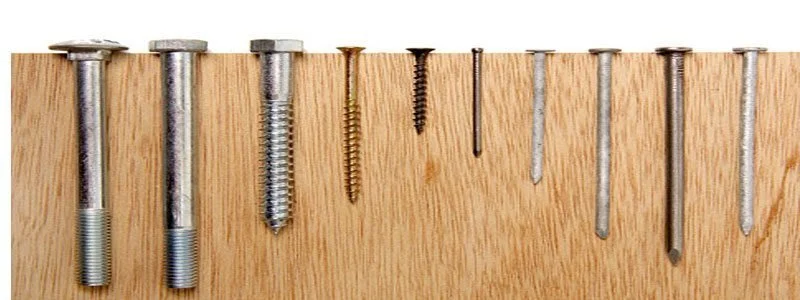
Resistance to pullout means how well a fastener stays in wood under tension. Screws excel here because their threads grip the wood tightly. Nails rely on friction and can loosen more easily over time.
This makes screws ideal for parts of framing that face strong pulling forces. Nails might work for areas under less stress.
Impact Of Material Quality
Quality of the screw or nail affects strength and durability. Poor quality fasteners can bend or break. High-quality screws and nails resist corrosion and last longer.
Choosing fasteners made from strong steel or coated materials improves performance. This also protects the framing from weather damage.
Credit: www.rmfp.com
Holding Power In Framing
Holding power is key in framing. It determines how well nails or screws keep wood pieces together. Strong holding power means the frame stays solid and safe. Weak holding power can cause movement or damage over time. Choosing the right fastener affects the strength and life of your project.
Grip In Different Wood Types
Screws usually hold better in hardwoods. Their threads dig deep and create a tight bond. Nails work fine in softwoods but may loosen in dense wood. Screws resist pulling out more than nails. In softwood, nails can still provide good grip. Wood type guides which fastener suits your frame best.
Effect Of Weather And Moisture
Moisture can weaken holding power. Wood swells and shrinks with weather changes. Nails may loosen as the wood moves. Screws handle wood movement better due to their threads. Rust affects both nails and screws. Using coated or stainless fasteners improves durability in wet conditions.
Long-term Stability
Screws offer strong long-term stability. They hold tight even under stress and time. Nails can loosen or back out over years. Frames with screws stay solid longer. Tight joints reduce noise and prevent gaps. Proper fastening ensures your frame lasts and stays safe.
Installation Techniques
Choosing between screws and nails for framing affects how you work. Each fastener requires different tools and skills. Understanding these differences helps you complete projects smoothly and quickly.
Proper installation ensures strong, safe frames. The right technique also saves time and effort. Let’s explore the tools needed and the speed of using screws and nails.
Tools Required For Screws
Screws need a drill or an electric screwdriver. A drill speeds up the work and reduces hand strain. You also need the right drill bits for screw heads. These bits fit snugly and prevent slipping.
Sometimes, countersink bits help to set screws flush with wood. This gives a neat finish. Using screws without power tools is slow and tiring. Invest in good tools for faster work.
Tools Required For Nails
Nails need a hammer or a nail gun. A hammer is simple and common. It requires skill to hit nails straight. Nail guns use air pressure or electricity. They fire nails quickly and accurately.
Nail guns reduce fatigue and improve speed. They also minimize wood splitting. For small jobs, a hammer may be enough. For large framing, nail guns save time and effort.
Speed And Ease Of Use
Nail installation is usually faster. Nails drive in quickly with a hammer or nail gun. Screws take longer because each one must be drilled in.
Screws hold better and resist pulling out. Nails can bend or loosen over time. Nails are easier for beginners but less secure. Screws need practice but give stronger joints.
Choose nails for quick framing jobs. Pick screws when strength and durability matter most.
Durability Under Stress
Durability under stress is a key factor when choosing between screws and nails for framing. The strength and stability of a frame depend on how well fasteners hold up under pressure. Different fasteners react differently to heavy loads, movement, and weather conditions. Understanding these differences helps in making the right choice for your project.
Performance In High Load Situations
Screws offer strong holding power due to their threaded design. They resist pulling out better than nails in heavy load areas. Nails can bend or pull loose under extreme pressure. For structures with high weight or force, screws provide more reliable support. This makes screws a preferred option in critical load points.
Resistance To Vibration And Movement
Nails flex slightly, allowing some movement without breaking. This flexibility can be useful in areas prone to vibration or shifting. Screws are rigid and hold parts tightly, but they may crack wood if the frame moves too much. For buildings that experience constant shaking, nails may reduce damage risks. Screws suit frames that stay mostly still.
Corrosion And Rust Resistance
Both screws and nails can corrode if not coated properly. Galvanized or stainless steel fasteners resist rust better. Rust weakens fasteners and reduces frame durability. Screws often have better coatings and last longer outdoors. Choosing the right material is vital for frames exposed to moisture or weather.
Cost And Availability
Cost and availability are key factors in choosing between screws and nails for framing. They impact your budget and how fast you can complete your project. Understanding these aspects helps you make the best choice for your needs.
Price Differences
Nails usually cost less than screws per unit. You can buy them in large packs at affordable prices. Screws tend to be pricier because they require more metal and precision in making.
However, the price gap is shrinking as screw production grows. Bulk buying can reduce the cost of screws significantly. Choose based on your budget and project size.
Local Availability
Nails are widely available in most hardware stores. They come in many sizes and types for different jobs. Screws are also common but might not be as varied in small stores.
Some regions favor nails for framing, making them easier to find. Screws may need special orders in less urban areas. Check your local store stock before planning your purchase.
Long-term Cost Efficiency
Screws may cost more upfront but offer stronger hold and less rework. This can save money on repairs over time. Nails are cheaper but might loosen or cause damage faster.
Fewer repairs mean less money spent on materials and labor. Consider how long your frame must last. This helps decide which fastener gives better value in the long run.
Common Applications
Choosing between screws and nails depends on the project needs. Both have unique strengths and fit different tasks in framing. Knowing their common applications helps you pick the right fastener.
Best Uses For Screws
Screws offer strong holding power and resist pulling out. They work well for heavy frames and projects needing extra strength. Screws are great for attaching drywall and cabinets. They allow easy removal and repositioning. Use screws in areas where stability matters most.
Best Uses For Nails
Nails install quickly and cost less than screws. They work best for simple framing and rough carpentry. Nails hold well with wood movement and bending. They are ideal for framing walls, roofs, and floors. Use nails when speed and flexibility are important.
Hybrid Approaches
Combining screws and nails can improve framing results. Nails provide fast assembly, while screws add long-term strength. Use nails to build the frame structure first. Then, secure key joints with screws for extra support. This method balances speed and durability well.
Safety And Structural Integrity
Safety and structural integrity are vital in framing projects. The choice between screws and nails affects how strong and safe the structure will be. Builders must consider which fastener offers better hold and stability. Both screws and nails have unique strengths and weaknesses. Understanding these helps ensure the frame stands firm over time.
Building Code Considerations
Building codes set rules for safe construction. They often specify which fasteners to use. Nails are usually accepted for framing under many codes. Some codes require specific types of screws or nails. Following these codes keeps the building legal and safe. Ignoring codes can cause inspection failures and risks.
Inspection And Maintenance
Frames need regular checks for loose or damaged fasteners. Nails may loosen or pop out over time. Screws tend to stay tight longer and resist movement. Inspectors look for signs of fastener failure in framing. Easy maintenance means safer buildings and longer lifespan. Fastener type affects how often repairs are needed.
Failure Modes
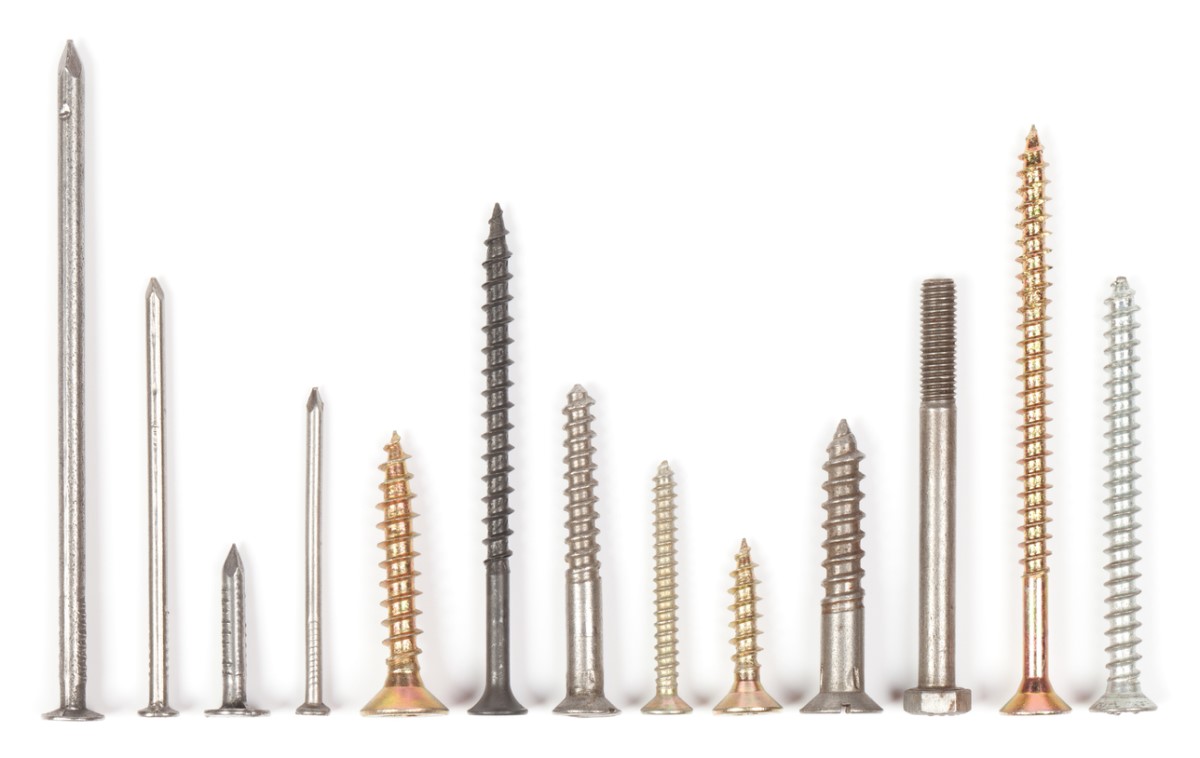
Nails can bend or pull out under stress. Screws may break or strip but resist pull-out better. Nail failure often leads to sudden structural issues. Screw failure usually happens more slowly. Understanding failure helps in choosing the right fastener. This choice can prevent costly repairs and hazards.
Credit: www.bobvila.com
Frequently Asked Questions
What Are The Main Differences Between Screws And Nails For Framing?
Screws hold materials tightly and resist pulling out. Nails are faster to install and more flexible.
Which Is Stronger For Framing: Screws Or Nails?
Nails offer better shear strength, making them stronger under side pressure in framing.
Are Screws Better Than Nails For Wall Framing?
Screws provide a stronger grip but nails allow wood to move slightly, preventing cracks.
Can Nails Cause Wood Splitting More Than Screws?
Nails are less likely to split wood because they bend slightly when hammered.
Which Is Faster To Use In Framing: Screws Or Nails?
Nails are quicker to install with a nail gun, saving time on large projects.
Do Screws Or Nails Hold Better In Outdoor Framing?
Screws hold better in outdoor framing as they resist pulling out from weather changes.
Conclusion
Choosing between screws and nails depends on your framing needs. Screws hold tight and resist pulling out. Nails are faster to install and cost less. Think about the project’s strength and speed requirements. Both have their place in framing work.
Use the right fastener to get the job done well. Simple choices lead to solid results every time.