
Does your salt water pool smell musty every time you take a dip? That unpleasant odor can turn your relaxing swim into an uncomfortable experience.
You deserve a fresh, clean pool that invites you in, not one that pushes you away with a strange smell. You’ll discover why your salt water pool might be smelling musty and, more importantly, how you can fix it quickly.
Keep reading to bring back the refreshing feel your pool should have.
Causes Of Musty Smell
A musty smell in a salt water pool often signals a problem with water quality or cleanliness. Identifying the cause helps fix the smell quickly and keeps your pool fresh. Several common issues can create that unpleasant odor. Understanding these causes is key to enjoying your salt water pool without worries.
Algae Growth
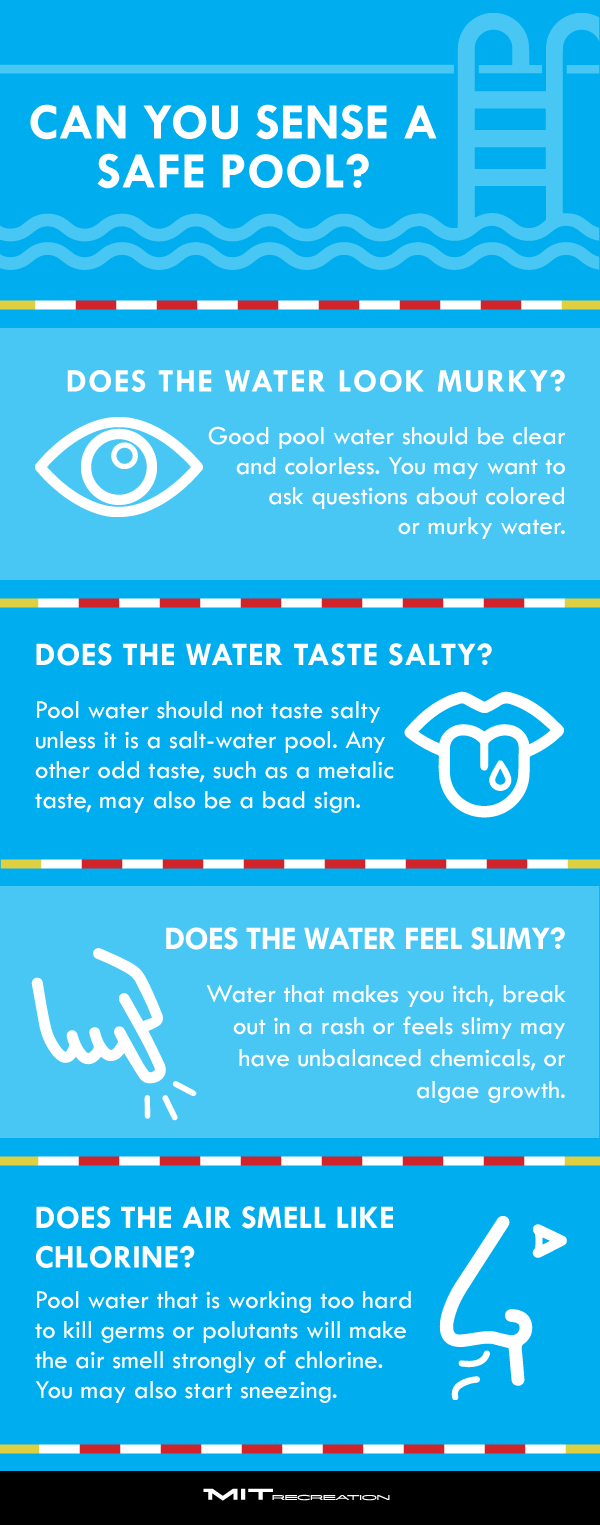
Algae can grow easily in salt water pools. It forms slimy layers on walls and floors. Algae emits a musty, earthy smell that spreads around the pool area. Warm temperatures and sunlight speed up algae growth. Without proper treatment, algae can take over the pool quickly.
Poor Water Circulation
Water needs to move constantly in a salt water pool. Poor circulation allows dead spots where water stays still. These areas collect dirt and bacteria. Stagnant water often smells musty and stale. Pumps and filters must run enough to keep water flowing well.
Imbalanced Chemical Levels
Chemicals keep salt water pools clean and safe. When levels are off, bacteria grow faster. Too little sanitizer lets odors develop. Too much can also cause strange smells. Regular testing and adjusting chemicals helps prevent musty smells.
Dirty Pool Surfaces
Leaves, dirt, and oils stick to pool walls and floors. These materials decay and create bad odors. Brushing surfaces and vacuuming debris keep the pool clean. Dirty surfaces also encourage algae and bacteria to grow.

Credit: www.amazon.sa
Checking Salt Water Chlorine Generator
Checking the salt water chlorine generator is key to fixing a musty pool smell. This device creates chlorine that keeps your pool clean and clear. If it fails or works poorly, the water can smell bad and look dirty. Regular checks help catch problems early and keep the water fresh.
Cleaning The Cell
The cell is where salt turns into chlorine. Over time, minerals and dirt build up on it. This buildup lowers chlorine production and causes bad smells. Remove the cell and soak it in a mild acid solution. Gently brush off any deposits. Clean cells work better and keep your pool fresh.
Inspecting For Damage
Check the cell for cracks or worn parts. Damage can stop chlorine from forming correctly. Look closely at the plates inside the cell. Broken or corroded plates reduce efficiency and cause odors. Replace damaged parts to restore proper chlorine flow.
Adjusting Chlorine Output
Chlorine output controls how much chlorine the generator makes. Low output means not enough chlorine to clean the pool. Increase the output slowly to boost chlorine levels. Watch the water and smell closely. Proper chlorine stops musty smells and keeps water clear.
Balancing Pool Chemistry
Balancing pool chemistry is key to a clean, fresh-smelling salt water pool. Proper chemical levels stop musty smells and keep water safe. It helps the salt chlorine generator work well. Checking and adjusting pool chemicals regularly prevents problems. Simple steps can keep your pool clear and inviting all season.
Testing Ph And Alkalinity
pH shows how acidic or basic the water is. Ideal pH is between 7.2 and 7.6. Too low pH causes corrosion and strong smells. Too high pH makes water cloudy and reduces chlorine effectiveness. Alkalinity acts as a buffer to keep pH steady. It should be between 80 and 120 ppm. Test pH and alkalinity twice a week for best results.
Correcting Calcium Hardness
Calcium hardness measures dissolved calcium in water. Low levels can damage pool surfaces. High levels cause scaling and cloudy water. Ideal calcium hardness is between 200 and 400 ppm. Use calcium chloride to raise hardness. To lower it, replace some pool water with fresh water. Balanced calcium hardness helps prevent musty odors.
Managing Cyanuric Acid Levels
Cyanuric acid protects chlorine from sunlight. It keeps chlorine working longer. Too much cyanuric acid lowers chlorine’s power. Too little causes chlorine to break down fast. Maintain cyanuric acid levels between 30 and 50 ppm. Test monthly and adjust by adding stabilizer or diluting water. Proper cyanuric acid control reduces bad smells.
Improving Water Circulation
Improving water circulation is key to keeping a salt water pool fresh. Good flow helps prevent musty smells. It stops dirt and algae from building up. Circulation spreads chemicals evenly, keeping water clean and clear.
Cleaning Filters
Filters catch debris and dirt in the pool water. Dirty filters slow water flow and trap bad smells. Clean your filters regularly to keep water moving. Rinse or backwash filters as the manufacturer says. This clears out trapped particles and keeps water fresh.
Upgrading Pump Efficiency
The pump moves water through the pool system. A strong pump keeps water flowing well. Older pumps may struggle and cause stagnant spots. Consider upgrading to a pump with better flow rates. Efficient pumps reduce musty odors by improving water movement.
Using Pool Jets Effectively
Pool jets push water back into the pool. Position jets to create good circulation patterns. Aim jets to avoid dead spots where water sits still. Adjust jets to move water across the whole pool. This helps prevent odors and keeps water clear.
Removing Algae And Debris
Removing algae and debris is key to stopping musty smells in salt water pools. Algae grows on walls and floors, causing odors and slippery surfaces. Debris like leaves and dirt also adds to the problem. Cleaning these helps keep the water fresh and clear.
Brushing Pool Walls
Brush the pool walls regularly to remove algae buildup. Use a stiff pool brush to scrub all surfaces. Focus on corners and steps where algae hides. Brushing stops algae from spreading and clears dirt. It also helps the sanitizer work better.
Vacuuming The Pool Floor
Vacuum the pool floor to remove settled debris and algae. Use a manual or automatic pool vacuum for best results. Vacuuming prevents debris from decaying and causing bad smells. Clean the vacuum filter after each use to keep it working well.
Shock Treatment Options
Shock treatments kill algae and bacteria fast. Use pool shock products designed for salt water pools. Follow the instructions carefully for the right amount. Shocking clears cloudy water and removes odors. Repeat as needed for strong algae problems.
Credit: www.mitrecsports.com
Preventing Future Odors
Preventing musty smells in salt water pools starts with good habits. Clean water feels better and smells fresh. Proper care keeps your pool inviting and safe for swimmers. Follow these steps to avoid odors before they start.
Regular Maintenance Schedule
Set a weekly routine for pool cleaning. Remove leaves and debris from the surface. Brush pool walls to stop algae growth. Vacuum the pool floor to clear dirt. Clean the salt cell as recommended. Staying consistent helps prevent bad smells.
Monitoring Chemical Levels
Check chlorine and pH levels often. Balanced chemicals keep water clear and fresh. Low chlorine allows bacteria to grow. High pH can cause cloudy water and odors. Use test strips or kits for quick checks. Adjust chemicals as needed to maintain balance.
Seasonal Pool Care Tips
Prepare your pool for each season carefully. In warm months, increase cleaning frequency. Cold seasons may require less chlorine but watch for algae. Drain and clean filters regularly. Cover the pool during long breaks. Seasonal care stops odors from building up.
Credit: blog.royalswimmingpools.com
Frequently Asked Questions
Why Does My Salt Water Pool Smell Musty?
A musty smell often means poor water circulation or buildup of algae and bacteria.
How Can I Remove Musty Odor From Salt Water Pool?
Clean the pool, check the salt cell, and boost chlorine levels to kill odor-causing bacteria.
Can Low Chlorine Cause Musty Smell In Salt Water Pools?
Yes, low chlorine allows bacteria to grow, causing a musty or stale smell.
Does Poor Pool Filtration Lead To Musty Pool Smell?
Poor filtration traps debris and bacteria, which can create unpleasant odors in the pool.
How Often Should I Clean My Salt Water Pool Cell?
Clean the cell every 3-6 months to prevent buildup and reduce musty smells.
Can Stagnant Water Cause A Musty Smell In Salt Water Pools?
Stagnant water promotes bacteria growth, which often results in a musty or moldy odor.
Conclusion
Salt water pool smells musty due to poor water balance or dirty filters. Keep your pool clean and check chemical levels often. Regular cleaning stops odors and keeps water fresh. Good circulation helps too. Fix these problems quickly for a nice swimming experience.
Enjoy your pool without any strange smells. Simple care makes a big difference. Stay on top of maintenance to prevent musty smells. Your pool will stay inviting all season.