
Is your old mechanical pool timer causing frustration with its imprecise settings and constant need for manual adjustments? You’re not alone.
Many pool owners struggle with outdated timers that make pool maintenance harder than it should be. Replacing your mechanical pool timer with a digital one can save you time, energy, and even money. Imagine having full control over your pool’s schedule at your fingertips, with easy programming and reliable accuracy.
Keep reading to discover how making this simple switch can transform your pool experience and simplify your life.
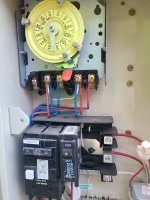
Credit: www.troublefreepool.com
Benefits Of Digital Pool Timers
Digital pool timers offer many benefits over old mechanical ones. They make pool maintenance simpler and more efficient. These timers give better control over pool equipment and save energy. Homeowners enjoy easy settings and reliable performance.
Improved Accuracy And Precision
Digital timers provide exact control of your pool’s operating hours. They allow setting specific start and stop times down to the minute. This precision helps maintain water quality and filter performance. Mechanical timers can be off by several minutes or fail to keep time over months.
Energy Efficiency Advantages
Digital timers reduce energy waste by running pool equipment only when needed. You can program them for shorter or multiple cycles per day. This lowers electricity bills and extends pump life. Mechanical timers often run longer than necessary, using more power.
Enhanced User Convenience
Using digital timers is simple and user-friendly. Large displays and clear buttons make programming easy for everyone. Many models include backup batteries to keep settings during power outages. Digital timers also offer flexibility to adjust schedules quickly without rewiring.
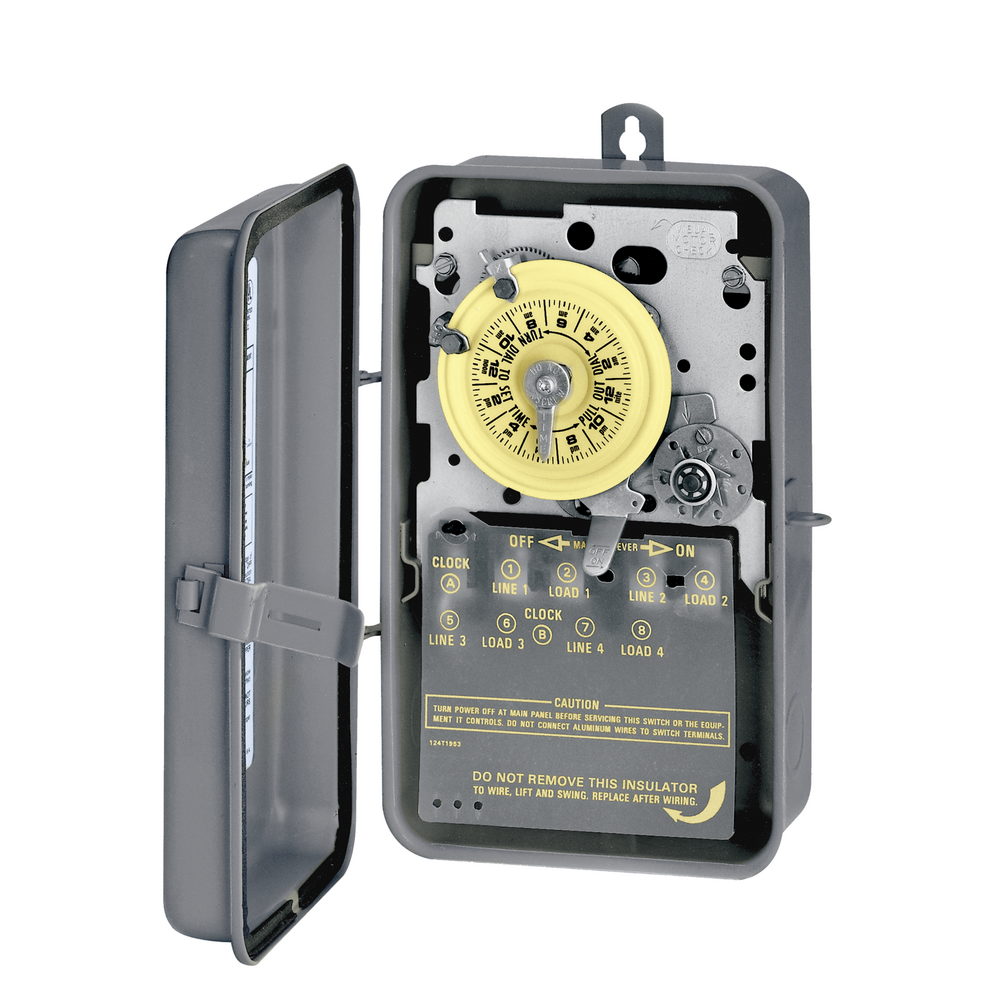
Credit: www.intermatic.com
Choosing The Right Digital Timer
Choosing the right digital timer for your pool is important. It controls when your pool pump turns on and off. A good timer saves energy and keeps your pool clean. Pick a timer that fits your needs and setup.
Compatibility With Existing Systems
Check if the digital timer works with your current pool pump. Some timers fit only certain pump types. Also, look at the voltage and wiring. The timer must match your pool system’s power supply. This avoids extra costs or repairs.
Key Features To Look For
Choose a timer with easy programming. Clear screens and simple buttons help. Look for multiple on/off settings for flexible schedules. A timer with battery backup keeps settings during power cuts. Some models have manual override to control the pump anytime.
Budget Considerations
Digital timers vary in price. Set a budget before shopping. Basic models work well for most pools. More expensive timers offer extra features. Balance cost with what you really need. Spending a little more can save money on energy bills.
Tools And Materials Needed
Replacing a mechanical pool timer with a digital one requires specific tools and materials. Having the right items makes the job easier and safer. Preparing everything before starting saves time and prevents frustration.
Essential Tools List
- Screwdrivers (flathead and Phillips)
- Wire strippers
- Voltage tester
- Needle-nose pliers
- Adjustable wrench
- Electric drill with bits
- Multimeter for checking electrical connections
Safety Equipment
- Insulated gloves to prevent electric shocks
- Safety goggles to protect your eyes
- Rubber-soled shoes for insulation
- Face mask if working in dusty areas
Additional Components
- Digital pool timer compatible with your system
- Electrical tape for secure wiring
- Wire connectors or wire nuts
- Mounting screws and brackets
- Replacement fuses or circuit breakers if needed
Step-by-step Replacement Process
Replacing a mechanical pool timer with a digital one improves control and efficiency. The process is simple if you follow each step carefully. Safety comes first, then removing the old timer, installing the new one, and finally programming it to suit your needs.
Turning Off Power Safely
Start by switching off the main power to your pool timer. Use the circuit breaker to cut electricity. Double-check that the power is off by testing the timer buttons. This prevents shocks and damage during replacement.
Removing The Mechanical Timer
Open the timer box carefully. Unscrew the mechanical timer from its mount. Note how the wires connect to the timer terminals. Take a photo or label the wires. Disconnect the wires gently and remove the old timer.
Installing The Digital Timer
Place the digital timer in the same spot as the old one. Connect the wires to the new timer following your notes or photo. Tighten screws to hold wires firmly. Secure the timer to the wall or box. Close the timer cover safely.
Programming The New Timer
Turn the power back on. Use the digital timer buttons to set current time. Program the on and off times for your pool pump. Check the manual for specific instructions. Test the timer by watching if it turns the pump on and off correctly.
Troubleshooting Common Issues
Replacing a mechanical pool timer with a digital one often improves control and efficiency. Still, some common issues can arise. Troubleshooting these problems quickly helps keep your pool running smoothly. Understanding the main issues saves time and avoids frustration.
Power And Wiring Problems
Check the power supply first. A loose or damaged wire can stop the timer from working. Make sure the digital timer is properly connected. Look for signs of wear or corrosion on wires and terminals. Reset the circuit breaker if needed. Confirm the power outlet is supplying electricity.
Programming Errors
Digital timers need correct settings. Incorrect programming causes the timer to run at wrong times. Double-check the start and stop times. Ensure the current time and date are accurate. Some timers use 24-hour format, so watch for AM/PM mix-ups. Reset the timer to default and reprogram if problems persist.
Timer Malfunctions
Sometimes the digital timer may freeze or act unpredictably. A firmware glitch or internal fault could be the cause. Turn off the timer and unplug it for a few minutes. This can reset the device. If it still malfunctions, consider a replacement. Avoid using force, which can damage the unit further.

Credit: www.u-buy.co.uk
Maintaining Your Digital Pool Timer
Maintaining your digital pool timer ensures it works properly for a long time. Proper care keeps the timer accurate and reliable. Small efforts can prevent common problems and extend its life.
Regular Cleaning Tips
Clean the timer’s surface with a soft, dry cloth. Avoid using water or harsh chemicals. Dust and dirt can block buttons and screens. Check the timer weekly to keep it clear and functional.
Firmware Updates
Check for firmware updates regularly from the manufacturer’s website. Updates fix bugs and improve performance. Follow the instructions carefully to avoid errors. Keep your timer’s software up to date.
Seasonal Adjustments
Adjust the timer settings for different seasons. Change the start and stop times based on daylight hours. Set the timer to save energy during colder months. Review settings each season to match pool use.
Frequently Asked Questions
What Are The Benefits Of Replacing A Mechanical Pool Timer?
Digital timers offer better accuracy, easy programming, and energy savings compared to mechanical ones.
How Do I Install A Digital Pool Timer?
Turn off power, remove the old timer, connect the new one following instructions, then restore power.
Can Digital Timers Save Money On Pool Energy Costs?
Yes, digital timers control pump run times precisely, reducing electricity use and lowering bills.
How Long Does A Digital Pool Timer Usually Last?
A good digital timer lasts about 5 to 10 years with proper care and usage.
Are Digital Pool Timers Easy To Program?
Yes, most digital timers have simple buttons and clear displays for easy scheduling.
Will A Digital Timer Work With All Pool Pumps?
Digital timers generally work with most pumps but check compatibility before buying to be sure.
Conclusion
Switching from a mechanical to a digital pool timer saves time and effort. Digital timers offer better accuracy and easy programming. They help control pool systems with simple settings. This upgrade improves convenience and energy savings. You get clear displays and reliable operation every day.
Choose a digital timer for smarter pool management. It makes pool care easier and more efficient. A small change brings long-term benefits for your pool.