
Is your Raypak pool heater not working because the pilot light won’t stay on? You’re not alone.
Many pool owners struggle with this common issue that can leave your water chilly and your swim plans on hold. But don’t worry—understanding how the pilot light works and what might be causing problems can save you time, money, and frustration.
Keep reading to discover simple steps you can take to get your Raypak pool heater’s pilot light back to glowing strong, so you can enjoy warm, relaxing swims whenever you want.
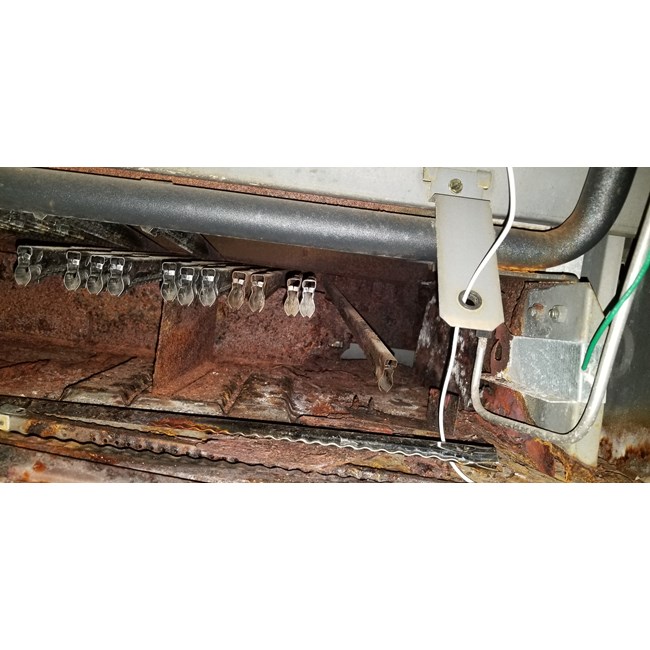
Credit: www.inyopools.com
Common Pilot Light Issues
The pilot light in your Raypak pool heater plays a vital role in starting the heating process. It ignites the main burner, which warms the pool water. Problems with the pilot light can stop your heater from working properly. Understanding common issues helps you find solutions faster. Here are typical pilot light problems and what they mean for your pool heater.
Pilot Light Won’t Stay Lit
This issue happens when the pilot light ignites but goes out quickly. A dirty or faulty thermocouple often causes it. The thermocouple senses the flame and keeps the gas valve open. If it fails, the gas supply cuts off, and the light shuts down.
Check for dirt or soot on the pilot assembly. Cleaning or replacing the thermocouple usually fixes this problem.
No Pilot Light Ignition
The pilot light fails to ignite at all in this case. Gas flow issues or a defective igniter are common causes. Sometimes, the gas supply might be turned off or interrupted. The igniter may not create a spark to light the pilot.
Ensure the gas valve is open. Inspect the igniter for damage and replace it if needed. Also, check for gas leaks or blockages.
Intermittent Pilot Light
The pilot light goes on and off repeatedly. This problem can stem from loose wiring or a weak thermocouple. It can also result from wind blowing out the flame. An unstable flame leads to inconsistent heating.
Secure electrical connections and replace worn parts. Shield the pilot light from strong winds using a wind guard.
Pilot Light Flickering
A flickering pilot light indicates an unstable flame. This may be due to dirt buildup or low gas pressure. Air in the gas line can also cause flickering. The flame should burn steady and strong.
Clean the pilot tube and check gas pressure. Bleed air from the gas line to stabilize the flame.
Basic Troubleshooting Steps
Basic troubleshooting steps help identify common issues with your Raypak pool heater pilot light. These simple checks can save time and avoid costly repairs. Follow these steps carefully to ensure your heater works properly.
Checking Gas Supply
Start by confirming the gas valve is open. No gas flow means the pilot light won’t ignite. Check the gas meter and make sure there is no interruption. Look for any leaks or damage in gas lines. A steady gas supply is essential for the pilot light.
Inspecting Thermocouple
The thermocouple senses the pilot flame and controls gas flow. If it is dirty or damaged, the pilot light may not stay lit. Look for signs of wear or corrosion. Gently clean the thermocouple with fine sandpaper or steel wool. Replace it if cleaning does not help.
Cleaning Pilot Orifice
Debris can block the pilot orifice, preventing gas from reaching the flame. Use compressed air or a small brush to clear the orifice. Avoid using sharp tools that may damage it. A clean orifice ensures a strong and steady pilot flame.
Resetting The Heater
Resetting can fix minor electronic or gas control issues. Turn off the heater and wait a few minutes. Turn it back on and try lighting the pilot again. This step can often restore normal operation without professional help.
Safety Precautions
Safety is very important when dealing with a Raypak pool heater pilot light. The pilot light uses gas to start the heater. Gas can be dangerous if not handled correctly. Taking safety steps helps prevent accidents and keeps your pool area safe.
Gas Leak Detection
Gas leaks can cause fires or explosions. Always check for the smell of gas near the heater. Use a soap and water solution on pipes and connections. If bubbles form, there is a leak. Turn off the gas immediately and call a professional.
Proper Ventilation
Good air flow is needed for the heater to work safely. Keep the area around the heater open and clear. Avoid blocking vents or air openings. Proper ventilation stops gas from building up and reduces carbon monoxide risks.
Handling Gas Components
Only trained people should touch gas parts. Always turn off the gas supply before working on the heater. Use the right tools and follow the manufacturer’s instructions. Never force parts or use damaged equipment. This prevents gas leaks and injury.
When To Call A Professional
Knowing when to call a professional for your Raypak pool heater pilot light saves time and avoids damage. Some issues need expert skills and tools. Handling complex problems alone can be unsafe and ineffective.
Persistent Pilot Light Problems
If the pilot light keeps going out, it signals a deeper problem. Constant relighting wastes gas and may harm the heater. A professional can check gas flow, sensors, and other parts carefully.
Unusual Odors Or Sounds
Strange smells, like gas or burning, mean a safety risk. Odd noises such as popping or hissing also show trouble inside the heater. Call a technician immediately to prevent hazards.
Complex Repairs
Fixing gas valves, thermocouples, or internal wiring needs skill. These repairs require special tools and knowledge. Professionals can ensure the job is safe and done right the first time.
Maintenance Tips For Longevity
Maintaining your Raypak pool heater pilot light is key to its long life. Simple care steps keep it running well and avoid breakdowns. Follow these tips to protect your heater and enjoy warm pool water longer.
Regular Cleaning Schedule
Clean the pilot light area every few weeks. Dirt and debris can block the flame. Use a soft brush or cloth to wipe away dust. Avoid harsh chemicals that may damage parts. Keeping it clean helps the pilot light stay strong.
Seasonal Shutdown Tips
Turn off the heater before cold weather arrives. Close the gas supply and drain water from the heater. This prevents freezing and damage to the pilot light. Store the heater in a dry place if possible. Proper shutdown saves repair costs later.
Inspecting For Wear And Tear
Check the pilot light parts regularly for cracks or rust. Look at the flame color; it should be steady and blue. A yellow or flickering flame signals a problem. Replace worn parts quickly to avoid bigger issues. Routine checks keep your heater safe and efficient.
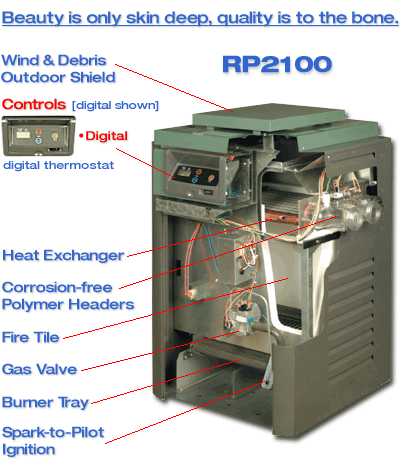
Credit: www.solardirect.com

Credit: www.youtube.com
Frequently Asked Questions
What Is A Raypak Pool Heater Pilot Light?
The pilot light is a small flame that ignites the main burner in your Raypak heater.
Why Won’t My Raypak Pilot Light Stay Lit?
Common causes include dirty thermocouples, gas supply issues, or faulty safety valves.
How Do I Relight The Raypak Pool Heater Pilot Light?
Turn off the gas, wait five minutes, then follow the manual’s lighting instructions carefully.
What Safety Checks Should I Do Before Lighting The Pilot?
Ensure gas valves are open, the area is ventilated, and no gas smells are present.
How Often Should I Inspect The Pilot Light On My Raypak Heater?
Check the pilot light monthly to ensure it burns steady and is free of debris.
Can A Faulty Pilot Light Cause My Pool Heater To Stop Working?
Yes, if the pilot light goes out, the heater won’t ignite or heat the pool.
Conclusion
A Raypak pool heater pilot light is key for warm water. Keep it clean and check it often. This helps your heater work well and last longer. Small fixes can save big repair costs. Always follow safety steps when handling the pilot light.
Enjoy your pool with steady, warm water all season. Simple care keeps your heater running smoothly and saves time. Stay safe, watch your pilot light, and swim comfortably.