
When it comes to keeping your home comfortable and cutting down on energy bills, duct insulation plays a big role. But with so many options, how do you choose between R6 and R8 duct insulation?
You might wonder which one really makes a difference for your heating and cooling system. This guide will help you understand the key differences, so you can pick the right insulation that fits your needs and saves you money. Keep reading to discover what works best for your home and why the right choice matters more than you think.
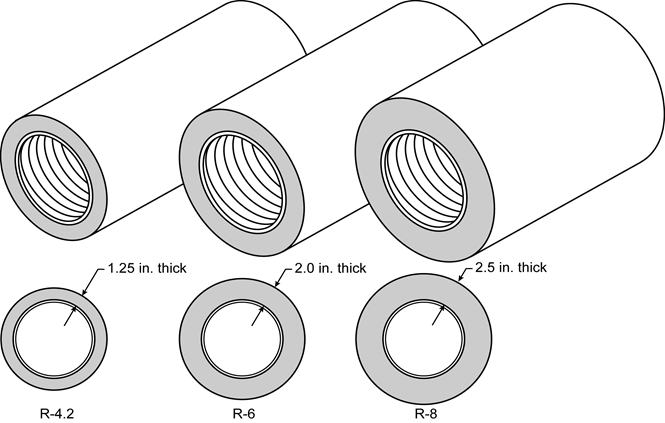
Credit: energycodeace.com
R6 And R8 Insulation Basics
Understanding R6 and R8 duct insulation helps you choose the right option for your home or project. Both types aim to reduce heat loss or gain in air ducts. This keeps heating and cooling systems efficient. Knowing the basics of each type saves energy and money.
What R-values Mean
R-value measures insulation’s ability to resist heat flow. Higher R-values block heat better. R6 means the insulation resists heat flow six times more than no insulation. R8 means it resists heat flow eight times more. This number helps compare insulation types easily.
Materials Used In R6 And R8
R6 and R8 insulation often use fiberglass or foam. Fiberglass has tiny glass fibers that trap air. Foam insulation is made from plastic compounds that create a solid barrier. Both materials help keep air ducts insulated well. The choice depends on budget and specific needs.
Thermal Performance Differences
R8 insulation offers better thermal resistance than R6. This means R8 keeps air ducts warmer in winter and cooler in summer. R6 provides good insulation but lets more heat pass through. Using R8 can lower energy bills more effectively in extreme climates.
Energy Efficiency Impact
Energy efficiency is a key factor in choosing duct insulation. It affects how well your home stays warm in winter and cool in summer. Both R6 and R8 insulation ratings play a role in saving energy. Understanding their impact helps in making a smart choice for your ducts.
Heat Loss And Gain Reduction
Insulation stops heat from escaping in winter. It also blocks heat from entering in summer. R8 insulation offers better resistance to heat flow than R6. This means less energy is needed to keep your home comfortable. The thicker insulation reduces temperature swings inside ducts.
Cost Savings On Energy Bills
Better insulation lowers heating and cooling costs. R8 can save more money than R6 over time. This happens because your HVAC system uses less energy. Less energy use means smaller monthly bills. The upfront cost is higher for R8, but savings add up.
Environmental Benefits
Using better insulation reduces energy demand. Lower energy use means fewer greenhouse gas emissions. R8 insulation helps decrease your carbon footprint. It supports a cleaner, healthier planet. Choosing higher-rated insulation benefits the environment and your home.
Installation Considerations
Installation plays a key role in choosing between R6 and R8 duct insulation. It affects how well the insulation works and how long it lasts. Understanding installation factors helps make the right choice for your ducts. This section covers three important points to think about during installation.
Ease Of Installation
R6 insulation is thinner and lighter. It is easier to cut and fit around ducts. This makes it faster to install in tight spaces. R8 insulation is thicker and heavier. It may need more effort and time to handle. The added thickness can make fitting around corners tricky. Contractors often prefer R6 for quick jobs.
Compatibility With Duct Types
Both R6 and R8 work well with metal and flexible ducts. R6 fits better on smaller ducts due to its slim profile. R8 suits larger ducts where extra insulation is needed. Some ducts have special shapes or coatings. Check if the insulation material sticks well and does not damage the duct surface.
Durability And Maintenance
R8 insulation tends to be more durable because of its thickness. It resists tearing and compressing better over time. R6 may need more care to avoid damage during installation. Both types require sealing at joints to prevent air leaks. Regular checks help keep the insulation effective and clean.

Credit: www.laheatingairconditioning.com
Cost Comparison
Comparing the cost of R6 and R8 duct insulation helps decide the best choice for your budget. Both types have different price points and benefits. Understanding these differences can save money and improve energy efficiency.
Initial Investment
R6 insulation usually costs less upfront than R8. The material price for R6 is lower. Installation costs are similar for both types. R8 has thicker insulation, so it needs more material. This increases the initial expense.
Long-term Value
R8 provides better thermal resistance. It reduces heat loss more effectively than R6. This leads to lower energy bills over time. R6 still offers good insulation but may cost more in energy. Choosing R8 can mean better savings in the future.
Return On Investment
The return depends on energy savings and durability. R8’s higher price pays off through reduced heating and cooling costs. R6 has a quicker payback due to lower upfront costs. Consider how long you plan to keep the insulation installed.
Choosing The Right Insulation
Choosing the right duct insulation is important for energy savings and comfort. R6 and R8 offer different levels of thermal resistance. Selecting the best one depends on several factors. This guide will help you understand how to pick the right insulation for your needs.
Consider the environment, rules, and your specific project needs. These points help you make a smart choice. Let’s explore what matters most when choosing between R6 and R8 duct insulation.
Climate Factors
Climate plays a big role in insulation choice. Colder places need higher insulation values like R8. Warmer areas might do well with R6. Insulation helps keep air temperatures steady inside ducts. This reduces energy costs and keeps rooms comfortable.
Building Codes And Standards
Local building codes often require minimum insulation levels. Some codes call for R8 in certain settings. Others allow R6 depending on the project type. Check your local rules before buying insulation. Following codes ensures safety and saves money on future fixes.
Specific Application Needs
Think about where and how the duct is used. R8 suits ducts in unheated spaces or extreme temperatures. R6 works well in conditioned spaces with less heat loss. Also, consider duct size and airflow. The right insulation improves efficiency and protects your system.
Common Mistakes To Avoid
Choosing between R6 and R8 duct insulation is important for energy savings. Many make mistakes that reduce insulation effectiveness. Avoiding these errors ensures better comfort and lower bills.
Improper Installation
Incorrect installation reduces insulation value. Gaps or loose wraps cause heat loss. Always fit insulation tightly around ducts. Secure edges with proper tape or fasteners. Avoid compressing insulation, as this lowers its performance.
Ignoring Air Leakage
Air leaks waste energy despite good insulation. Seal all joints and connections before insulating. Use mastic or metal tape for airtight seals. Check for holes or cracks in ductwork. Proper sealing improves insulation benefits and airflow.
Overlooking Insulation Thickness
Choosing too thin insulation cuts energy savings. R6 may suit some climates but not all. R8 offers better thermal resistance for colder areas. Match insulation thickness to your local climate needs. Thicker insulation often leads to bigger savings over time.

Credit: rheolitelecom.com.br
Frequently Asked Questions
What Is The Main Difference Between R6 And R8 Duct Insulation?
R6 has a lower insulation value than R8, meaning R8 keeps heat or cold better.
Which Duct Insulation Is Better For Energy Savings?
R8 insulation saves more energy by reducing heat loss or gain in ducts.
Can R6 Insulation Work In Cold Climates?
R6 can work but may not be enough for very cold areas.
How Does Duct Insulation Affect Indoor Air Quality?
Proper insulation prevents condensation, reducing mold and improving air quality.
Is R8 Insulation More Expensive Than R6?
Yes, R8 usually costs more due to higher insulation performance.
How Thick Is R6 Compared To R8 Duct Insulation?
R6 is thinner, around 1 inch, while R8 is thicker, about 1. 5 inches.
Conclusion
Choosing between R6 and R8 duct insulation depends on your needs. R8 offers better thermal protection for colder places. R6 works well in milder climates and tight budgets. Think about your home’s temperature and energy goals. Both types help reduce energy loss and save money.
Proper installation matters as much as insulation type. Quality insulation keeps air flowing and your space comfortable. Make your choice based on comfort, cost, and climate. Simple steps lead to better energy use and savings.