
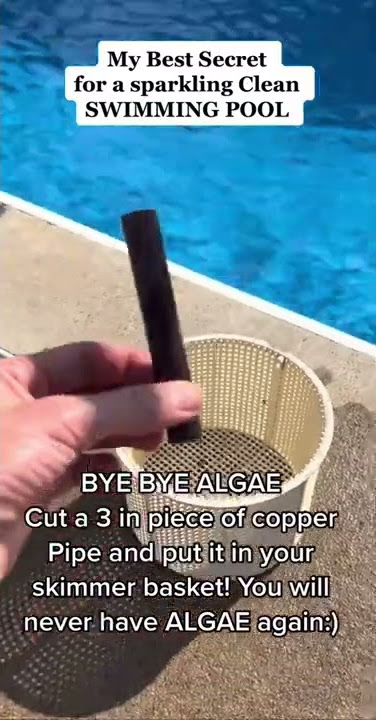
Are you tired of constantly battling algae and keeping your pool crystal clear? Putting copper pipe in your pool skimmer might be the simple solution you’ve been searching for.
It’s a smart, low-maintenance way to help keep your water cleaner and reduce harsh chemicals. You’ll discover exactly how copper pipe works in your pool skimmer, why it’s a game-changer, and the easy steps to install it yourself. Keep reading to learn how this small change can make a big difference in your pool’s health and your peace of mind.
Benefits Of Copper Pipes In Pool Skimmers
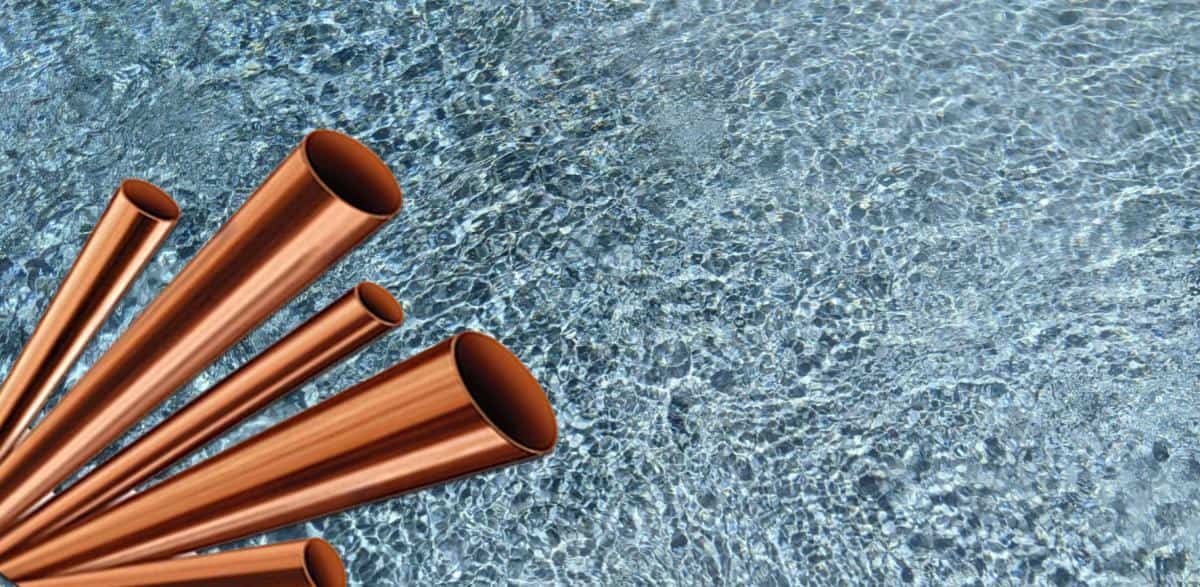
Copper pipes in pool skimmers offer many benefits that improve pool maintenance. Copper is a strong material that handles water well. It helps keep the pool clean and safe. Using copper pipes can save money and time on repairs. These pipes also support the pool’s filtration system effectively.
Corrosion Resistance
Copper resists corrosion much better than other metals. It does not rust or break down easily in water. This quality keeps the pipes working longer without leaks. Pools with copper pipes need fewer repairs due to corrosion damage.
Algae Prevention
Copper naturally stops algae growth in the water. Small amounts of copper ions released prevent algae from growing inside pipes. This keeps the skimmer cleaner and reduces chemical use. A cleaner skimmer means clearer pool water for swimming.
Durability And Longevity
Copper pipes last longer than plastic or steel pipes. They handle pool chemicals and temperature changes well. Strong copper pipes withstand pressure without cracking. This durability lowers replacement costs and keeps the pool running smoothly.
Credit: www.testyourownpool.com
Choosing The Right Copper Pipe
Choosing the right copper pipe for your pool skimmer is important. The pipe must fit well and last long. It should handle water flow without leaks or damage. Selecting the correct pipe size, type, and compatibility with your pool system ensures smooth operation. This section guides you through these key factors.
Pipe Size And Thickness
Pick a pipe size that matches your skimmer’s opening. Too small causes low water flow. Too large means trouble fitting and sealing. Copper pipes come in various sizes. Measure carefully before buying. Thickness matters too. Thicker pipes resist dents and corrosion. Thin pipes may bend or break easily. Choose a thickness that suits your pool’s water pressure.
Type Of Copper Pipe
There are three main types of copper pipes: Type K, L, and M. Type K is thickest and best for underground use. Type L is medium thickness and common for pool plumbing. Type M is thinnest and used for light-duty tasks. For pool skimmers, Type L is a safe choice. It balances durability and cost. Make sure the pipe is clean and free of defects.
Compatibility With Pool Equipment
Check if the copper pipe fits your skimmer brand and model. Some pool systems need special adapters or fittings. Copper reacts differently with some metals and plastics. Use compatible connectors to avoid leaks and corrosion. Ask your pool supplier about matching parts. Proper compatibility means fewer repairs and longer life for your pool system.
Tools And Materials Needed
Installing copper pipe in a pool skimmer needs specific tools and materials. Choosing the right items makes the job easier and safer. This section lists all essentials for your project.
Cutting And Soldering Tools
You need a pipe cutter to cut copper pipes cleanly. A tubing cutter gives smooth edges for better fitting. Use a propane torch for heating pipes during soldering. A soldering flux brush helps apply flux evenly. Also, have lead-free solder wire ready to join pipes securely.
Fittings And Connectors
Use copper fittings like elbows, tees, and couplings to connect pipes. Compression fittings help join pipes without soldering. Make sure all connectors fit the pipe size exactly. Proper fittings prevent leaks and ensure strong joints.
Safety Gear
Wear safety glasses to protect your eyes from sparks. Heat-resistant gloves shield your hands from burns. Use a fire-resistant cloth or pad to avoid fire damage. Work in a well-ventilated area to avoid inhaling fumes. Safety is key during soldering and cutting tasks.
Credit: www.youtube.com
Preparing The Pool Skimmer
Preparing the pool skimmer is a key step before installing copper pipe. It ensures a smooth fit and prevents leaks. Careful preparation helps maintain your pool’s water flow and cleanliness.
This process involves draining water, cleaning the skimmer, measuring for the pipe, and marking connection points. Each step sets the stage for a proper installation.
Draining And Cleaning
Start by draining water from the skimmer. This prevents spills and water damage. Remove any debris and dirt inside the skimmer. A clean skimmer allows for better pipe connection and prevents clogs.
Use a soft brush or cloth to wipe the inside surfaces. Make sure the skimmer is dry before moving to the next step.
Measuring For Pipe Installation
Measure the length of copper pipe needed carefully. Take measurements twice to avoid mistakes. Include extra length for proper fitting and adjustments.
Note the diameter of the skimmer’s pipe opening. This ensures you select the right size copper pipe. Proper measurement reduces the risk of leaks and poor flow.
Marking Connection Points
Mark the exact spots where the copper pipe will connect to the skimmer. Use a pencil or marker that won’t fade easily. Clear marks help guide your cutting and fitting.
Check alignment of the pipe with the skimmer opening. Proper alignment avoids stress on the pipe and fittings. Marking saves time and ensures accuracy during installation.
Installing The Copper Pipe
Installing copper pipe in your pool skimmer is a key step for a smooth water flow. This process needs care and precision. A well-installed pipe prevents leaks and keeps the pool clean. Follow these steps to install the copper pipe correctly.
Cutting And Fitting The Pipe
Start by measuring the length of the copper pipe needed. Use a pipe cutter to make a clean cut. Avoid crushing or bending the pipe. Check the pipe ends for any burrs or rough edges. Smooth them with a file or sandpaper. Fit the pipe into the skimmer and other parts. Ensure tight and proper fitting to avoid leaks.
Soldering Techniques
Clean the pipe ends and fittings with a wire brush. Apply flux evenly to help the solder flow. Heat the joint with a propane torch until the flux bubbles. Touch the solder to the joint, not the flame. Let the solder melt and flow around the pipe. Avoid overheating to prevent damage. Allow the joint to cool naturally before handling.
Securing The Pipe In Place
Use pipe clamps or brackets to hold the pipe firmly. Space the supports every few feet for stability. Avoid tight bends or stress points on the pipe. Check that the pipe is aligned with the skimmer. Tighten all clamps but do not overtighten. Inspect the pipe for any movement or gaps. Proper securing helps maintain the pipe’s function over time.
Testing And Maintenance
Testing and maintenance are key to keeping copper pipes in pool skimmers working well. Regular checks help find problems early. This saves money and time.
Proper care also extends the pipe’s life. It keeps the pool water clean and safe. Follow these steps to maintain your copper pipe system.
Leak Testing
Check for leaks regularly. Small leaks can cause big water loss. Use soapy water on pipe joints. Bubbles show where air or water escapes.
Also, watch for wet spots around the skimmer. These signs mean a leak may be present. Fix leaks quickly to avoid damage.
Regular Inspections
Look over the copper pipe and connections often. Check for corrosion or greenish stains. These indicate pipe damage.
Inspect the skimmer basket and seals too. Replace any worn parts. Keep the system tight and secure.
Cleaning And Upkeep Tips
Clean the skimmer and pipes to stop blockages. Remove debris from the skimmer basket every week. Flush pipes with fresh water monthly.
Use mild cleaners safe for copper. Avoid harsh chemicals that can damage pipes. Proper cleaning keeps water flowing smoothly.
Common Issues And Solutions
Installing copper pipes in pool skimmers can improve water flow and durability. Still, some common problems may arise during use. Knowing these issues helps keep your pool system working smoothly. Below are typical problems and easy ways to fix them.
Dealing With Leaks
Leaks often happen at pipe joints or connections. Check all fittings for tightness. Use plumber’s tape or sealant to stop small leaks. Replace damaged pipes or connectors to prevent water loss. Regular inspections catch leaks early before they cause bigger damage.
Preventing Corrosion
Copper pipes can corrode over time, especially near pool chemicals. Keep the water balanced to reduce corrosion risk. Use protective coatings on pipes exposed to moisture and chemicals. Avoid direct contact between copper and other metals to prevent rust. Clean pipes regularly to remove buildup that causes corrosion.
Handling Pipe Blockages
Blockages reduce water flow and strain the pump. Remove debris or dirt stuck inside pipes using a pipe brush or water jet. Flush the system periodically to clear small clogs. Install a filter to catch debris before it enters the pipes. Promptly fix any damaged sections causing blockages.

Credit: www.youtube.com
Frequently Asked Questions
Can Copper Pipe Be Used In A Pool Skimmer?
Yes, copper pipe can be installed in a pool skimmer for durability and corrosion resistance.
Does Copper Pipe Improve Pool Water Quality?
Copper helps reduce algae growth, improving overall pool water clarity and cleanliness.
How Do You Install Copper Pipe In A Pool Skimmer?
Cut the pipe to size, clean ends, use proper fittings, and secure tightly for leak-proof connections.
Is Copper Pipe Better Than Pvc For Pool Skimmers?
Copper lasts longer and resists heat better, but PVC is cheaper and easier to install.
Can Copper Pipe Cause Pool Water Discoloration?
Copper may cause slight greenish tint if levels are high, but proper balance prevents this.
How To Maintain Copper Pipe In A Pool Skimmer?
Check for leaks, clean fittings regularly, and monitor water chemistry to avoid corrosion and buildup.
Conclusion
Adding copper pipe to your pool skimmer can help keep water clean. It prevents algae and reduces bacteria growth naturally. Copper is strong and lasts a long time in water. Make sure to install it carefully to avoid leaks. Regular checks will keep your pool running smoothly.
This simple step can improve water quality without harsh chemicals. Stay safe and enjoy a clearer, healthier pool all season.