
Is your pool refusing to hold chlorine and looking cloudy no matter what you do? You’re not alone, and this problem can be frustrating.
When your pool water won’t stay clean and clear, it affects your enjoyment and can even be unsafe. But don’t worry—understanding why this happens is the first step to fixing it. You’ll discover simple, effective ways to bring back sparkling, healthy water to your pool.
Keep reading—your perfect swim is closer than you think.
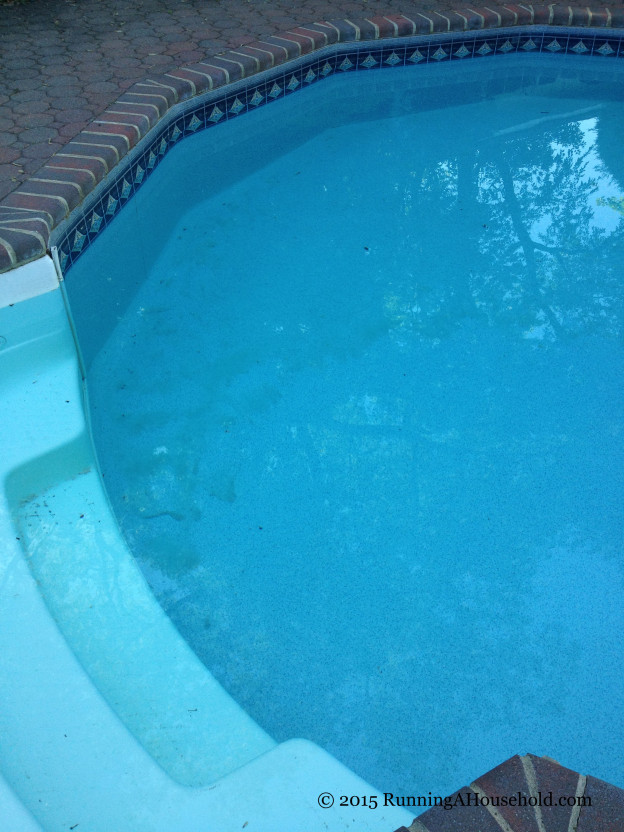
Credit: runningahousehold.com
Causes Of Chlorine Loss
Chlorine is essential for keeping your pool clean and safe. Losing chlorine quickly causes cloudy water and bacteria growth. Understanding why chlorine disappears fast helps fix the problem. Several factors cause chlorine loss. Each one affects your pool differently.
High Sunlight Exposure
Sunlight breaks down chlorine fast. Ultraviolet rays destroy chlorine molecules. Pools in direct sunlight need more chlorine. Shade or pool covers help reduce chlorine loss. Without protection, chlorine vanishes quickly.
Organic Contaminants
Leaves, dirt, sweat, and oils use up chlorine. These organic materials react with chlorine and lower its level. More swimmers mean more contaminants. Cleaning debris and showering before swimming reduce this problem.
Imbalanced Ph Levels
pH affects chlorine’s strength. If pH is too high or low, chlorine works poorly. Ideal pH keeps chlorine active longer. Test your pool water regularly. Adjust pH to maintain balance and save chlorine.
Inadequate Chlorine Dosage
Not adding enough chlorine causes quick loss. Your pool size and usage affect chlorine needs. Small amounts cannot keep up with demand. Measure chlorine carefully. Add the right amount to keep water clear.
Reasons For Cloudy Pool Water
Cloudy pool water can be frustrating and hard to fix. It often means the water chemistry or pool system has a problem. Understanding the reasons behind cloudy water helps keep your pool clear and safe.
Several factors cause water to lose its sparkle. These include issues with the filtration system, algae growth, high calcium hardness, and tiny particles floating in the water. Each one affects the water quality differently.
Poor Filtration
Pool filters remove dirt and debris from the water. If the filter is dirty or broken, it cannot clean properly. Water becomes cloudy because particles stay suspended. Regularly clean and check your filter to keep water clear.
Algae Growth
Algae can grow quickly in pools with low chlorine levels. It causes the water to look green or cloudy. Even tiny algae amounts make water hazy. Use proper chemicals to stop algae before it spreads.
High Calcium Hardness
Water with too much calcium can turn cloudy. This hardness causes minerals to form small particles. These particles float and create a milky look. Test calcium levels and adjust as needed to avoid cloudiness.
Suspended Particles
Dirt, oils, and tiny debris often float in pool water. These particles block light and make water look murky. Swimmers can also stir up sediment from the pool bottom. Using flocculants or clarifiers helps clear suspended particles.
Testing Pool Water Effectively
Testing pool water is key to keeping it clean and clear. Regular checks help find problems early. This stops cloudy water and chlorine loss. Simple tests show what your pool needs for balance.
Use a good test kit for quick and accurate results. Check different parts of water chemistry. Each test tells a different story about water health.
Measuring Chlorine Levels
Chlorine kills germs and keeps water safe. Test chlorine with strips or liquid kits. Ideal levels are between 1 and 3 ppm. Too low means germs can grow. Too high may irritate skin and eyes.
Checking Ph And Alkalinity
pH shows how acidic or basic water is. Keep pH between 7.2 and 7.6 for best chlorine function. Alkalinity acts as a buffer to keep pH stable. Test alkalinity regularly; aim for 80 to 120 ppm. Balanced pH and alkalinity prevent cloudy water.
Assessing Calcium Hardness
Calcium hardness measures calcium in water. Low calcium causes corrosion and damage. High calcium leads to scale and cloudiness. Test calcium hardness to keep it between 200 and 400 ppm. Proper levels protect pool surfaces and clarity.
Identifying Phosphates And Metals
Phosphates feed algae growth, causing cloudiness. Test phosphate levels often; keep below 100 ppb. Metals like iron and copper cause stains and color changes. Use test kits to detect metals. Remove metals to keep water clear and bright.

Credit: www.reddit.com
Balancing Chemicals For Clarity
Balancing chemicals is key to keeping pool water clear and safe. Proper chemical levels stop chlorine from disappearing too fast. They also prevent water from turning cloudy. Maintaining the right balance helps fight bacteria and algae. It protects pool surfaces and keeps swimmers healthy. Let’s explore how to balance chemicals effectively.
Adjusting Ph And Alkalinity
pH and alkalinity control how chlorine works in your pool. The ideal pH is between 7.2 and 7.6. Too high or too low pH wastes chlorine and causes cloudiness. Alkalinity should stay between 80 and 120 ppm. Low alkalinity makes pH unstable, harming water clarity. Use pH increasers or reducers to fix pH levels. Add baking soda to raise alkalinity safely. Test water often for best results.
Shock Treatment Techniques
Shocking your pool removes contaminants and restores chlorine levels. Use pool shock weekly or after heavy use. Follow instructions for correct dosage. Spread shock evenly across the pool surface. Run the pump to circulate the chemicals well. Avoid swimming until chlorine levels drop to safe limits. Shocking kills bacteria and algae that cloud water.
Using Algaecides And Clarifiers
Algaecides stop algae growth that makes water green and cloudy. Choose a product suitable for your pool type. Add algaecide regularly to prevent algae buildup. Clarifiers gather tiny particles into clumps. These clumps are easier to filter out. Use clarifiers when water looks dull or hazy. Always follow product directions for safe use.
Improving Filtration And Circulation
Improving filtration and circulation is key to fixing cloudy water and keeping chlorine levels steady. Good water flow removes dirt and bacteria. It helps chlorine work better. Clean, clear pool water depends on a strong filtration system and proper circulation.
Cleaning And Backwashing Filters
Filters trap dirt and particles in the pool. Over time, filters get clogged. This reduces their ability to clean water. Clean or backwash filters regularly. Backwashing means reversing water flow to flush out dirt. It restores filter function and keeps water clear.
Optimizing Pump Run Time
The pool pump moves water through the filter. Running the pump long enough is important. Too little run time means poor circulation. Aim for at least 8 to 12 hours daily. This keeps water moving and chlorine active. Adjust pump time based on pool size and weather.
Upgrading Filtration Systems
Older filters may not handle modern pool needs. Consider upgrading to a high-efficiency filter. Sand, cartridge, and DE filters have different strengths. Choose one that fits your pool size and use. Better filters improve water clarity and chlorine retention. This helps solve cloudy water problems fast.

Credit: www.reddit.com
Preventative Maintenance Tips
Keeping pool water clear and balanced needs regular care. Preventative maintenance stops problems like chlorine loss and cloudy water. Small daily steps help maintain clean, safe water for swimming.
Regular Water Testing Schedule
Test pool water at least twice a week. Check chlorine levels, pH, and alkalinity. Balanced water holds chlorine better and stays clear. Use simple test kits for quick results. Record results to track changes over time.
Proper Chlorine Addition Practices
Add chlorine in small amounts regularly, not all at once. Use stabilized chlorine to protect from sun damage. Add chlorine in the evening to reduce loss. Follow product instructions for safe and effective use.
Keeping Debris Out Of Pool
Remove leaves and dirt daily with a skimmer. Use pool covers when not swimming. Clean filters regularly to keep water flowing. Less debris means chlorine works better and water stays clear.
Frequently Asked Questions
Why Won’t My Pool Hold Chlorine Properly?
Low chlorine hold is often due to high pH, sunlight, or organic matter in the water.
What Causes Pool Water To Become Cloudy?
Cloudy water usually happens from poor filtration, high alkalinity, or dirt and algae growth.
How Can I Fix Chlorine Loss In My Pool?
Check pH levels, clean filters, and add stabilizer to protect chlorine from sunlight.
Does Algae Growth Affect Chlorine Levels?
Yes, algae uses chlorine quickly, making it hard to keep the water clear and sanitized.
How Often Should I Test My Pool Water?
Test water at least twice a week to maintain balanced chlorine and clear water.
Can Poor Filtration Make Pool Water Cloudy?
Poor filtration allows dirt and particles to stay, causing cloudy and unhealthy water.
Conclusion
Keeping your pool clear and holding chlorine takes effort and care. Test your water regularly to keep chemicals balanced. Clean your filter and remove debris often. Avoid adding too many chemicals at once. Small steps make a big difference in water quality.
Clear water means a healthy, safe pool for everyone. Stay consistent, and your pool will stay inviting all season long.