
Is your pool wall caving in while filling with water? If so, you’re not alone—and it can be a scary sight.
Watching your pool walls buckle or collapse can quickly turn your relaxing oasis into a big headache. But why does this happen, and what can you do to stop it before it gets worse? You’ll discover the main reasons behind pool walls caving in, how to spot the warning signs early, and practical steps to protect your pool—and your peace of mind.
Keep reading to make sure your pool stays strong and safe every time you fill it up.

Credit: www.reddit.com
Common Causes Of Pool Wall Collapse
Pool walls can collapse for several reasons. Understanding these causes helps prevent damage and costly repairs. Many factors affect the strength and stability of pool walls during filling. Some relate to the soil around the pool. Others concern design, materials, or unexpected changes underground.
Soil Pressure And Hydrostatic Forces
Soil around the pool pushes against the walls. This pressure increases when the soil is wet. Water in the ground creates hydrostatic forces. These forces press hard on the pool walls. If walls are weak, they may cave in.
Poor Pool Design And Construction
Bad design leads to weak walls. Builders may use wrong shapes or sizes. The walls might not be thick enough. Poor construction means the materials are not placed properly. These mistakes cause walls to fail under pressure.
Inadequate Drainage Systems
Water must drain away from the pool. Without good drainage, water builds up behind walls. This extra water adds pressure. Drainage pipes or gravel layers help move water away. Lack of these systems causes walls to collapse.
Material Failures And Aging
Materials weaken over time. Concrete can crack or crumble. Steel reinforcements may rust and lose strength. Older pools face more risks. Failing materials cannot hold back soil and water pressure.
Unexpected Ground Movement
Shifts in the ground affect pool stability. Earthquakes or heavy rains can move soil suddenly. This movement changes the forces on pool walls. Walls not built for such changes may break or fall.
Signs Of Impending Wall Failure
Pool walls caving in while filling is a serious problem. It often starts with small signs. These signs warn about the wall’s weakness. Catching them early can prevent damage and costly repairs.
Knowing what to watch for helps you protect your pool. Here are common signs that show a wall may fail soon.
Visible Cracks And Bulges
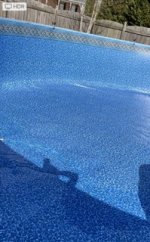
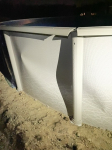
Cracks on pool walls are a clear warning. Look for thin or wide cracks anywhere on the wall. Bulges are another sign. They show the wall is bending or pushing outward. Both cracks and bulges mean the wall is under too much pressure.
Water Seepage Patterns
Water seepage happens when water leaks through the wall. Check for wet spots outside the pool near the wall. Damp soil or puddles around the pool base can signal seepage. Uneven water marks inside the pool also show leakage. Seepage weakens the wall’s support.
Unusual Pool Wall Movement
Walls should stay firm and still. Watch for any shaking or shifting during filling. Even slight movement means the wall is unstable. Touch the wall and feel for unusual vibrations or give. Movement like this can lead to a sudden collapse.
Preventive Measures During Pool Construction
Pool walls caving in during filling is a common problem. Preventive measures during construction can stop this issue. Careful planning and strong construction help keep pool walls stable. Focus on key steps to build a safe pool.
Proper Site Assessment
Check the soil type and ground stability before building. Soft or loose soil can cause walls to collapse. Test water drainage and ground pressure around the pool area. Choose a site with firm soil and low water risk.
Choosing Durable Materials
Select strong materials that resist pressure and water damage. Concrete and reinforced steel are good options. Avoid cheap or weak materials that crack or bend easily. Use materials designed for pool construction and long-term use.
Effective Reinforcement Techniques
Install steel bars or mesh inside the pool walls for strength. Reinforcement helps walls hold up against water pressure. Use proper spacing and secure bars tightly. Reinforced walls prevent bending and collapsing during filling.
Installing Drainage And Relief Systems
Create drainage around the pool to reduce ground water pressure. Relief systems help release trapped water under the pool. These systems stop soil from pushing against the walls. Proper drainage keeps walls dry and stable during filling.
Credit: www.troublefreepool.com
Expert Solutions For Repairing Collapsed Walls
Repairing collapsed pool walls requires careful planning and expert solutions. Addressing the root cause prevents future damage. Proper repair ensures your pool stays safe and functional. Several methods help restore structural integrity and stop soil from pushing walls inward.
Structural Reinforcement Options
Strengthening the pool walls is key to repair. Steel beams or braces add support to weak areas. Concrete patching fills cracks and rebuilds damaged sections. In some cases, installing retaining walls helps hold soil back. These reinforcements stabilize walls during pool filling.
Soil Stabilization Methods
Unstable soil causes walls to cave in. Compacting the soil around the pool reduces pressure on walls. Adding gravel or sand layers improves drainage and soil strength. Using soil nails or anchors ties soil to stable ground. Proper soil stabilization protects walls from future collapse.
Water Management Improvements
Managing water flow around the pool reduces wall stress. Installing drainage systems directs water away from walls. Using sump pumps removes excess water quickly. Sealing leaks prevents water from weakening soil near walls. Good water control is vital for long-lasting repairs.
Professional Inspection And Monitoring
Experts inspect walls for hidden damage before repair. Regular monitoring tracks wall movement during and after repair. Early detection of problems avoids costly fixes later. Professionals use tools like sensors and cameras for accuracy. Ongoing inspection ensures the pool stays safe and stable.
Maintenance Tips To Avoid Future Failures
Pool walls caving in while filling is a serious problem. It can cause damage and cost a lot to fix. Regular maintenance helps keep your pool strong and safe. Simple steps can prevent future failures and save money. Focus on key areas to protect your pool walls.
Regular Wall Inspections
Check your pool walls often for cracks or weak spots. Look for any signs of bulging or leaning. Early detection helps fix small problems before they grow. Use a flashlight to see hidden areas clearly. Keep a record of your inspections for future reference.
Maintaining Proper Water Levels
Keep the water level steady to reduce pressure on the walls. Avoid overfilling the pool, which adds extra weight. Too low water levels can dry out walls and cause cracks. Use a water level gauge to monitor levels accurately. Adjust water levels regularly based on weather and use.
Addressing Drainage Issues Promptly
Good drainage around your pool prevents water buildup near walls. Standing water can weaken the ground and cause wall movement. Clean drains and gutters to allow water to flow away. Fix leaks or clogs as soon as you notice them. Proper drainage keeps the pool structure stable.
Credit: www.troublefreepool.com
Frequently Asked Questions
Why Are Pool Walls Caving In While Filling?
Pool walls may cave in due to weak soil, poor construction, or uneven water pressure.
How Can Soil Type Affect Pool Wall Stability?
Loose or sandy soil can shift and cause walls to collapse during filling.
What Role Does Water Pressure Play In Wall Caving?
Uneven water pressure pushes against walls, leading to cracks or collapse if not balanced.
Can Poor Pool Design Cause Walls To Cave In?
Yes, improper design or lack of support can weaken walls and cause caving.
How To Prevent Pool Walls From Caving In During Filling?
Use proper wall reinforcement, good soil compaction, and fill water slowly and evenly.
When Should I Call A Professional For Pool Wall Issues?
Call a pro if walls crack, bulge, or cave in during filling or soon after.
Conclusion
Pool walls caving in while filling can cause big problems. Fixing cracks and checking soil helps keep walls strong. Use proper support and avoid fast filling to prevent damage. Regular pool care stops issues before they grow. Stay alert for signs of wall weakness to act fast.
A safe pool means more fun and less worry. Take simple steps today to protect your pool tomorrow.