
Is your pool still cloudy after using flocculant? That can be really frustrating.
You want clear, sparkling water, but instead, you’re stuck with murky, dull water. Don’t worry—you’re not alone, and there are simple reasons why this happens. You’ll discover exactly why your pool isn’t clearing up and what you can do to fix it quickly.
Keep reading to get your pool back to that crystal-clear state you deserve.
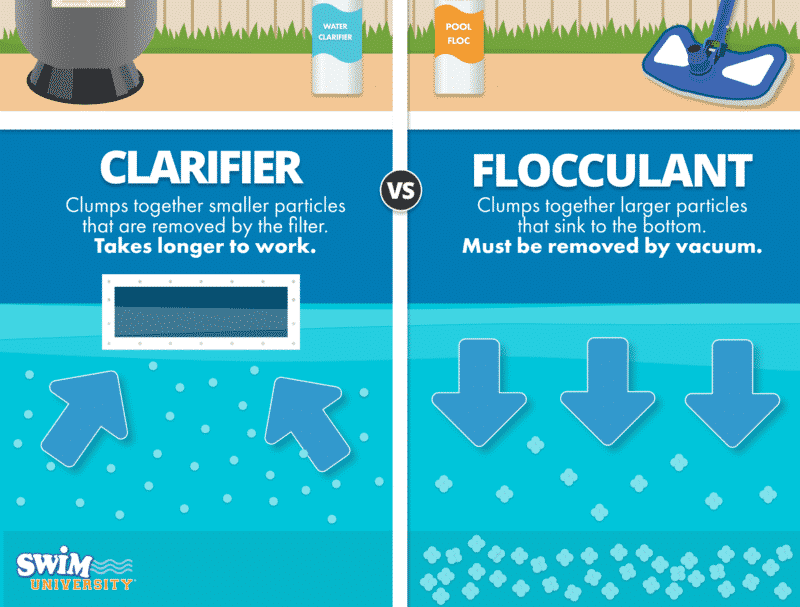
Credit: www.swimuniversity.com
Causes Of Cloudy Pool Water
Cloudy pool water can be frustrating after adding flocculant. Understanding why the water remains unclear helps solve the problem faster. Several common causes lead to cloudy water, even after treatment. Identifying the root cause is key to clear, sparkling water.
Algae Growth
Algae are tiny plants that grow in pool water. They make the water look green or murky. Even a small amount can cause cloudiness. Algae often grow when sanitizer levels drop too low. Removing algae requires proper cleaning and chemical balance.
High Ph Levels
pH measures how acidic or basic water is. High pH means the water is too basic. This condition causes minerals to settle in the water. These minerals make the water look cloudy. Keeping pH in the right range helps prevent this problem.
Poor Filtration
Filters clean dirt and particles from pool water. If the filter is dirty or broken, it cannot remove debris well. Poor filtration causes tiny particles to stay suspended in water. This makes the pool look hazy or foggy. Regular filter cleaning is important for clear water.
Chemical Imbalance
Pool water needs the right mix of chemicals. Too much or too little of any chemical causes issues. Imbalance can create cloudy water by allowing particles to float. Testing water often keeps chemicals in balance. Balanced water stays clear and safe to swim.

Credit: www.reddit.com
How Flocculants Work
Flocculants help clear cloudy pool water by gathering tiny particles together. These particles are too small to settle on their own. Flocculants make them stick and form larger clumps. These clumps then sink to the pool floor, making it easier to remove them by vacuuming or filtering.
Understanding how flocculants work can help you use them correctly. It also explains why sometimes pools remain cloudy after treatment. Knowing their limits is key to getting clear water.
Mechanism Of Action
Flocculants carry a positive charge. Most dirt and particles in pools have a negative charge. Opposite charges attract, causing particles to stick together. This process is called flocculation. It creates bigger, heavier clumps that sink faster. This helps remove tiny particles that cause cloudiness.
Common Types Used
The most common flocculants are aluminum sulfate and polyaluminum chloride. Both work well to clear pool water. Aluminum sulfate is often called alum. Polyaluminum chloride works faster and leaves less residue. Some flocculants are liquid, others are powder. Choosing the right type depends on your pool size and water quality.
Limitations To Consider
Flocculants do not fix all water problems. They work best in pools with low contaminants. Heavy algae or oils need different treatment. Flocculants can take several hours to work fully. They also require vacuuming after particles settle. Incorrect use can cause more cloudiness or leave residue. Proper dosage and timing are very important.
Immediate Steps After Flocculant Use
After using flocculant, the pool water may still look cloudy. Taking the right steps immediately helps clear the water faster. Proper care keeps your pool safe and clean. Follow these key actions to improve water clarity and enjoy your pool sooner.
Proper Filtration Techniques
Run your pool filter continuously after adding flocculant. This helps capture tiny particles that cause cloudiness. Set the filter to the highest setting for best results. Check the filter pressure often. Clean the filter if pressure rises too much. Good filtration speeds up water clearing.
Backwashing The Filter
Backwash the filter to remove trapped debris. This process reverses water flow and cleans the filter media. Do it carefully to avoid wasting water. Backwash until the water runs clear. Repeat if the filter still looks dirty. Proper backwashing keeps the system efficient.
Skimming And Vacuuming
Skim the pool surface to remove floating debris. Use a fine mesh net for best results. Vacuum the bottom gently to pick up settled particles. Avoid stirring the water too much. Clean pool surfaces help the filter work better. Regular skimming and vacuuming improve water clarity.
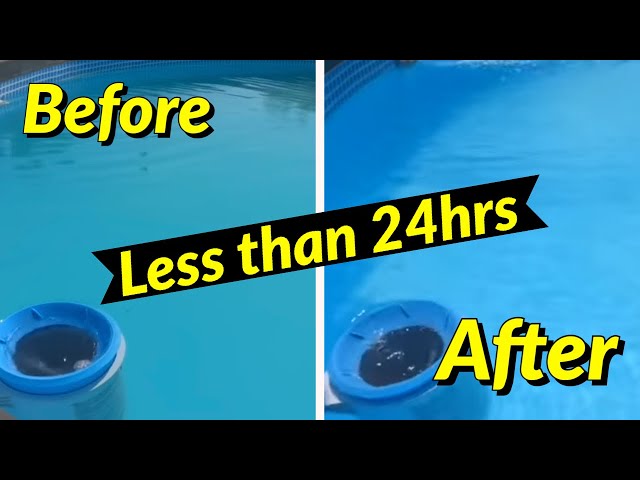
Credit: www.youtube.com
Quick Fixes For Persistent Cloudiness
Cloudy pool water after using flocculant can be frustrating. The particles may clump but still not clear out. Quick fixes help clear up the water fast. These steps improve water quality without extra flocculant. Follow simple methods to enjoy a clear pool again.
Adjusting Chemical Levels
Check the pool’s pH, alkalinity, and chlorine levels. Balanced chemicals help particles settle and filter out. Use test strips or kits to measure. Adjust pH to 7.2-7.6 for best results. Raise or lower alkalinity between 80-120 ppm. Keep chlorine between 1-3 ppm for sanitation. Proper balance stops cloudiness from returning.
Shock Treatment
Shocking kills bacteria and breaks down contaminants. Use pool shock according to the product instructions. Add shock in the evening for best effect. Run the pump for at least 8 hours after. Shocking clears organic matter that causes cloudy water. Repeat weekly if cloudiness persists.
Using Clarifiers
Clarifiers gather tiny particles into larger clumps. These clumps are easier for the filter to remove. Add clarifier after balancing chemicals and shocking. Follow the dosage on the bottle carefully. Run the filter continuously for 24 hours. Clarifiers improve filter efficiency and water clarity.
Improving Circulation
Good water flow helps spread chemicals evenly. Check that pool pump and filter work properly. Clean or backwash the filter to remove blockages. Increase circulation time to at least 10 hours daily. Use pool jets to direct flow towards cloudy areas. Better circulation speeds up clearing cloudy water.
Preventing Future Cloudiness
Preventing future cloudiness in your pool keeps the water clear and inviting. Clear water means a safer and more enjoyable swim. Simple habits and regular care make a big difference. Here are key steps to keep your pool sparkling.
Regular Maintenance Schedule
Check your pool weekly. Remove leaves and debris daily. Skim the surface and vacuum the bottom often. Running the pump for 8 to 12 hours helps filter water well. Regular cleaning stops dirt from building up. A clean pool looks clear and feels fresh.
Balanced Water Chemistry
Test water twice a week. Keep pH between 7.2 and 7.6. Maintain chlorine levels from 1 to 3 ppm. Adjust alkalinity to 80-120 ppm for stability. Balanced water prevents algae and bacteria growth. Proper chemistry stops cloudiness before it starts.
Filter Cleaning Tips
Clean your filter every month. Backwash sand or DE filters as needed. Rinse cartridge filters with a hose. Replace filter media when it wears out. A clean filter traps dirt and particles better. Clear filters mean clear water in your pool.
Frequently Asked Questions
Why Is My Pool Still Cloudy After Using Flocculant?
Flocculant clumps tiny particles, but poor filtration or circulation can keep water cloudy.
How Long Should I Wait After Adding Flocculant?
Wait 24 to 48 hours for particles to settle before vacuuming the pool.
Can Poor Filtration Cause Cloudiness After Flocculant?
Yes, a dirty or broken filter can stop flocculant from clearing water.
Should I Vacuum The Pool After Flocculant Treatment?
Yes, vacuum the settled particles to remove debris and clear the water.
Does Water Ph Affect Flocculant Performance?
Yes, incorrect pH can reduce flocculant efficiency and keep water cloudy.
Can Algae Growth Cause Cloudiness After Flocculant Use?
Yes, algae can make water cloudy; treat algae before or after flocculant.
Conclusion
A cloudy pool after using flocculant can feel frustrating. Keep checking water balance and clean the filter often. Sometimes, repeated treatments or extra time help clear the water. Avoid swimming until the pool looks clear again. Regular maintenance prevents cloudiness in the future.
Stay patient and follow simple steps to enjoy a sparkling pool soon. Clear water is possible with care and attention.