
Is your pool still cloudy after using flocculant? It’s frustrating when you follow all the steps, only to end up with murky water.
You want your pool to be clear and inviting, not hazy and dull. Don’t worry—you’re not alone, and there are simple reasons why this happens. You’ll discover what might be causing the cloudiness and learn easy fixes to get your pool sparkling clean again.
Keep reading to bring back that crystal-clear water you deserve!
Why Pools Stay Cloudy After Floc
Sometimes, pools stay cloudy even after using flocculants. This can be frustrating. Floc helps clump tiny particles so you can remove them. But other factors may keep the water murky. Understanding these reasons helps you fix the problem faster.
Common Causes Of Persistent Cloudiness
Cloudy water can come from dirt, algae, or tiny particles. Floc pulls these together, but some may be too small or light. Sometimes, dead algae stay in the water. They need extra cleaning. Also, poor brushing or vacuuming leaves debris behind. This stops the pool from clearing fully.
Role Of Pool Chemistry
Balanced water chemistry is key. pH, alkalinity, and sanitizer levels affect clarity. If pH is off, floc works less well. Too much or too little chlorine lets algae grow. High calcium causes cloudiness too. Test water often and adjust chemicals as needed. Clean water helps floc do its job better.
Impact Of Filtration Issues
Filters must work properly to clear floc out. Dirty or clogged filters trap particles inside. This makes water stay cloudy. Filters that are too small or old also fail. Run the filter long enough after floc treatment. Backwash or clean filters regularly for best results.

Credit: www.reddit.com
Quick Tests To Identify The Problem
Cloudy pool water after using flocculant can be frustrating. Quick tests help find the cause fast. These checks show if water balance, filter, or contaminants cause the problem. Simple tools and steps reveal what needs fixing. Start with these easy tests to clear your pool soon.
Checking Water Balance
Test pH, alkalinity, and calcium hardness levels. All must be in the right range. pH should be between 7.2 and 7.6. Alkalinity needs to stay around 80 to 120 ppm. Calcium hardness should be 200 to 400 ppm. Unbalanced water stops floc from working well. Use a pool test kit or strips. Adjust chemicals based on test results.
Inspecting Filter Performance
Check if the pool filter runs long enough after floc use. Filter pressure should be normal, not too high or low. Clean or backwash the filter if dirty. A clogged filter cannot clear cloudy water. Make sure pump and filter are working without leaks. Proper filtration removes tiny particles trapped by floc.
Detecting Algae And Contaminants
Look closely for green, yellow, or black spots on walls or floor. These signs show algae growth. Algae can make water cloudy even after floc. Use a pool brush to scrub surfaces. Test for contaminants like metals or organic matter. These may need special treatment. Clear water needs both clean water and clean surfaces.
Fast Remedies To Clear Cloudy Water
Cloudy pool water after using flocculant can be frustrating. Quick action helps restore clear water fast. Follow these simple steps to fix the problem and enjoy your pool again.
Adjusting Ph And Alkalinity
Start by checking your pool’s pH and alkalinity levels. Improper balance causes water to stay cloudy. Use test strips or kits to measure these levels. Keep pH between 7.2 and 7.6 for best results. Alkalinity should be in the range of 80 to 120 ppm. Add chemicals like muriatic acid or baking soda to adjust levels. Balanced water improves the effectiveness of your flocculant.
Backwashing And Cleaning Filters
Clean filters trap dirt and particles that cloud water. Backwash your sand or DE filter to remove debris. Follow your filter’s instructions carefully. For cartridge filters, remove and rinse the cartridges. Dirty filters reduce water flow and clarity. Regular cleaning speeds up the clearing process after floc treatment.
Using Additional Clarifiers
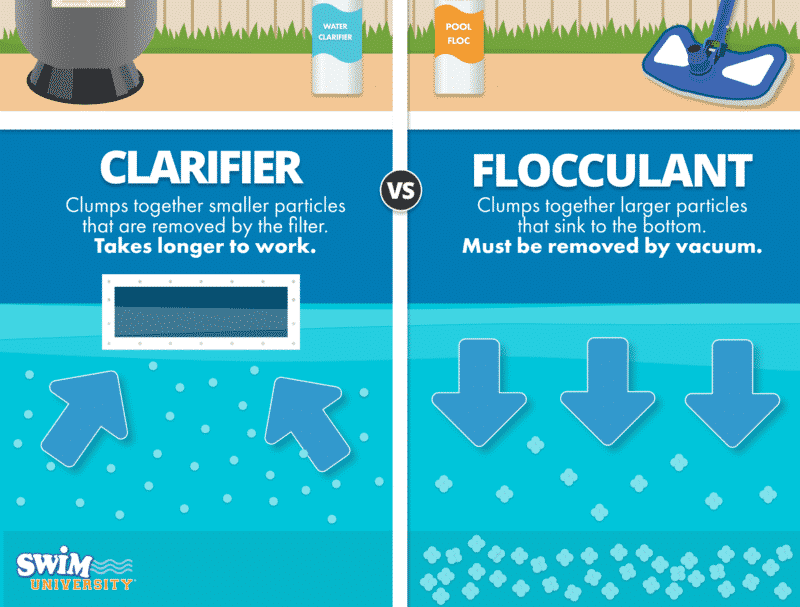
Clarifiers help gather tiny particles into larger ones. These bigger particles are easier to filter out. Add a clarifier after flocculant treatment if water stays cloudy. Follow the product directions for the right amount. Clarifiers work well with clean, balanced water and filters. They speed up water clearing and improve pool clarity.
Credit: www.swimuniversity.com
Advanced Treatments For Tough Cloudiness
Sometimes, pool cloudiness stays even after using flocculants. This means the problem is deeper and needs stronger treatments. Advanced methods can clear tough cloudy water. These methods work to kill bacteria, break down organic waste, and improve water clarity. Using the right treatment helps keep pools safe and clean.
Shock Treatments And Algaecides
Shock treatments add a large dose of chlorine to the pool. This kills bacteria and algae quickly. It also breaks down organic contaminants that cause cloudiness. Algaecides target algae directly. They stop algae from growing and spreading. Using both can clear stubborn cloudy water fast. Always follow label instructions for safety and best results.
Using Enzyme-based Products
Enzyme products break down oils, lotions, and organic waste. These wastes can cause cloudy water and bad smells. Enzymes work gently but effectively. They help the filter catch tiny particles. This makes the water clearer over time. Enzymes are safe for all pool types and help keep water fresh.
When To Drain And Refill
Draining the pool is a last option. It is needed if cloudiness stays after all treatments. Very high chemical levels or too much dirt can cause this. Draining removes bad water and starts fresh. Refill with clean water and balance chemicals well. This gives the pool a new chance to stay clear and healthy.
Preventing Future Cloudiness
Preventing future cloudiness in your pool keeps the water clear and safe. Consistent care stops problems before they start. Simple habits help maintain a sparkling pool all season.
Regular Water Testing Routine
Test your pool water at least twice a week. Check pH, chlorine, and alkalinity levels. Balanced water prevents cloudiness and algae growth. Use easy test strips or a digital tester. Adjust chemicals based on your test results quickly.
Maintaining Proper Circulation
Good water flow stops dirt and particles from settling. Run your pump daily for 8 to 12 hours. Clean filters regularly to keep water moving well. Check for clogged skimmers or returns. Proper circulation spreads chemicals evenly throughout the pool.
Scheduling Periodic Deep Cleaning
Clean your pool deeply every few weeks. Brush walls and floors to remove buildup. Vacuum debris that the filter misses. Drain and refill part of the water if needed. Deep cleaning removes hidden dirt that causes cloudiness.

Credit: www.reddit.com
Frequently Asked Questions
Why Is My Pool Still Cloudy After Using Flocculant?
Flocculant clumps dirt but needs proper vacuuming to remove particles fully from the pool.
How Long Should I Wait After Flocculant Treatment?
Wait 24 to 48 hours before vacuuming to let particles settle at the pool bottom.
Can Poor Water Balance Cause Cloudy Water After Floc?
Yes, incorrect pH or chlorine levels can stop flocculant from working well.
What Is The Best Way To Vacuum After Flocculant Use?
Use a manual vacuum with waste line to remove settled debris outside the pool system.
Should I Shock My Pool After Flocculant Treatment?
Shocking helps kill bacteria and clear cloudy water after flocculant removes particles.
How Often Can I Use Flocculant For Pool Cleaning?
Use flocculant sparingly, only when needed, to avoid chemical buildup and water imbalance.
Conclusion
Cloudy pool water after using floc can feel frustrating. Keep testing your water balance and adjust chemicals as needed. Make sure the filter runs long enough to clear particles. Sometimes, vacuuming helps remove settled debris at the bottom. Patience is key; clarity may take a few days.
With steady care, your pool will soon sparkle again. Don’t give up—clear water is within reach!