
Is your pool sand filter leaking from the bottom? This can be a frustrating problem that disrupts your pool’s cleanliness and wastes water.
You might be wondering what’s causing the leak and how to fix it without spending a fortune. Don’t worry—understanding the common reasons behind this issue can save you time and money. Keep reading, and you’ll discover simple steps to identify the cause and get your filter working perfectly again.
Your pool deserves the best care, and you’re just a few minutes away from solving this problem for good.
Common Causes Of Bottom Leaks
Leaks at the bottom of a pool sand filter can cause water loss and reduce filter efficiency. Understanding common causes helps spot problems early. It also aids in fixing leaks quickly to protect the pool system.
Several parts can cause leaks, often due to wear or damage. Knowing which parts to check saves time and money during repairs.
Cracked Filter Tank
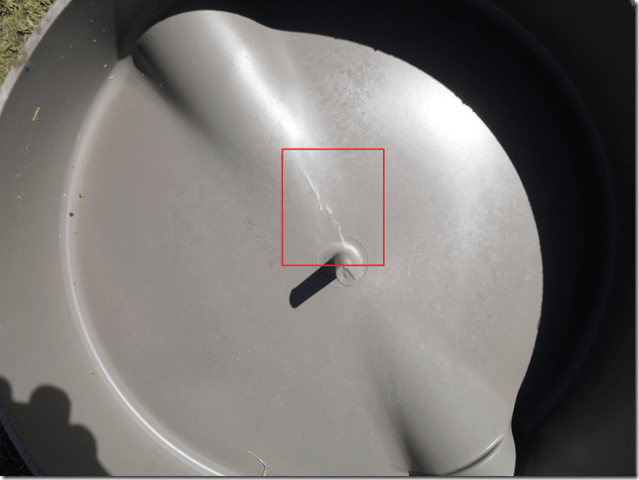
The filter tank holds all the sand and water. Cracks can form from age or impact. Even small cracks let water escape from the bottom. Inspect the tank closely for visible cracks or wet spots. Replace the tank if cracks are large or growing.
Damaged Lateral Assemblies
Lateral assemblies sit inside the tank and spread water evenly. Damage or breaks here can cause leaks. Sand may also clog the system if laterals fail. Remove the sand and check each lateral for cracks or bends. Replace damaged parts to stop leaks and keep water clear.
Loose Or Worn Drain Plugs
Drain plugs let you empty the tank for cleaning. Over time, plugs may loosen or wear out. This causes water to drip from the bottom. Tighten the drain plug first. If it still leaks, replace the plug and washer to ensure a tight seal.
Faulty O-rings And Seals
O-rings and seals prevent water from escaping at connection points. These rubber parts can dry out, crack, or break. Check seals around the drain plug and filter tank connections. Replace any worn or damaged O-rings to stop leaks and keep water inside.

Credit: www.troublefreepool.com
Inspecting Your Sand Filter
Inspecting your pool sand filter is crucial when you notice water leaking from the bottom. Early inspection helps find the problem before it worsens. It also saves time and money on repairs. This section guides you through safe and effective steps to check your sand filter.
Safety Precautions
Turn off the pool pump before starting any inspection. This stops water flow and reduces pressure. Wear gloves to protect your hands from sharp parts. Use goggles to keep debris out of your eyes. Work in a dry area to avoid slipping hazards. Follow these steps carefully to stay safe.
How To Drain The Filter
Locate the drain plug at the base of the filter. Place a bucket or hose to catch the draining water. Unscrew the plug slowly to release the water. Allow the filter to empty completely for a clear view inside. This step makes it easier to spot cracks or damage.
Identifying Leak Sources
Check around the drain plug for cracks or loose fittings. Inspect the filter tank base for holes or weak spots. Look at the laterals inside the filter for breaks or misalignment. Tighten any loose parts with a wrench but avoid overtightening. Mark any damaged areas for repair or replacement.
Quick Fixes For Leaks
Leaks at the bottom of a pool sand filter can cause water loss and reduce filter efficiency. Quick fixes help stop leaks and keep your pool running smoothly. These simple repairs save time and prevent bigger problems.
Some fixes need only basic tools and materials. You can try them yourself before calling a professional. The key is to spot the leak source and apply the right fix fast.
Tightening Drain Plugs
Loose drain plugs often cause leaks in sand filters. Check the plug at the bottom of the filter tank. Use a wrench to tighten it gently. Avoid over-tightening, which can damage the threads or plug.
Inspect the plug washer or gasket. Replace it if worn or cracked. Tightening the drain plug seals the leak and stops water from dripping out.
Replacing O-rings
O-rings create watertight seals in your filter. Over time, they dry out and crack. This leads to leaks around fittings and plugs. Remove the old O-ring carefully.
Purchase a new O-ring that matches your filter model. Lubricate it with silicone grease before installing. This keeps the seal tight and extends the O-ring’s life.
Using Epoxy For Small Cracks
Small cracks in the filter tank can cause leaks. Clean the cracked area thoroughly. Use a waterproof epoxy to cover the crack. Follow the epoxy instructions for mixing and application.
Allow the epoxy to cure fully before refilling the filter with water. This seal stops leaks and prevents the crack from growing.
Temporary Leak Sealants
Leak sealants provide a quick, temporary fix for pool filters. These products flow into small leaks and harden to block water. Add the sealant to the pool water or directly to the filter tank.
Sealants work best as short-term solutions. Plan to repair or replace damaged parts soon for a long-lasting fix.
Credit: idoneitmyself.com
When To Replace Parts
Knowing when to replace parts in your pool sand filter is key to keeping it leak-free. Parts wear out over time. Small problems can turn into big leaks. Acting early saves money and hassle. Watch for clear signs of damage and wear. Replace parts before leaks get worse.
Signs Of Lateral Assembly Damage
The lateral assembly sits at the filter’s bottom. It holds the sand in place. Cracks or broken pieces cause leaks. Water may seep from the bottom of the filter. Sand can enter the pool if the laterals break. Uneven pressure or poor filtering also hint at damage. Check the assembly during cleaning or service. Replace it if you see cracks or missing parts.
Filter Tank Replacement Indicators
The filter tank holds the sand and water. Cracks, bulges, or rust spots on the tank show damage. Leaks often start where the tank seals or joints are weak. If the tank leaks from the bottom, repair might not work. Old tanks with multiple leaks need full replacement. A new tank ensures safety and better filtration. Don’t wait until leaks cause pool damage.
Choosing Compatible Replacement Parts
Use parts made for your filter model. Wrong parts may cause more leaks or damage. Check the brand and model number before buying. Look for durable materials like reinforced plastic or corrosion-resistant metal. Follow the manufacturer’s instructions for installation. Proper parts extend filter life and prevent leaks. Buy from trusted sources for quality and safety.
Preventing Future Leaks
Preventing future leaks in your pool sand filter is important for saving money and avoiding water loss. Small leaks can turn into big problems if ignored. Taking simple steps can keep your filter working well and stop leaks before they start.
Regular Maintenance Tips
Check your filter regularly for cracks or loose parts. Clean the sand inside the filter every season. Replace old or worn-out sand to keep the filter working properly. Tighten any loose clamps or bolts, but do not overdo it. Look for any signs of rust or corrosion and fix them quickly.
Proper Winterizing Techniques
Drain all water from the filter before winter. Remove the drain plug and let the filter dry completely. Store the filter in a dry place if possible. Cover it with a protective cover to keep out dirt and moisture. Proper winter care stops freezing damage and future leaks.
Avoiding Over-tightening
Tighten filter parts just enough to seal them well. Over-tightening can crack the filter tank or damage seals. Use your hands or a gentle tool for tightening. Stop when you feel resistance, do not force it. Proper tightening keeps parts safe and leak-free.
Monitoring Water Pressure
Watch the pressure gauge on your filter often. High pressure can cause leaks or damage. Clean the filter sand or backwash when pressure rises too high. Low pressure may also signal a problem. Keeping pressure in the right range protects the filter and prevents leaks.

Credit: www.reddit.com
Expert Maintenance Tips
Expert maintenance helps keep your pool sand filter working well. It stops leaks and extends the filter’s life. Simple, regular care can save you money and time. Follow these tips to avoid leaks from the bottom of your filter.
Scheduled Sand Replacement
Replace the sand every 3 to 5 years. Old sand clogs and wears out the filter parts. Fresh sand cleans better and prevents damage. Check the sand level and quality yearly. Change the sand sooner if it looks dirty or broken down.
Filter Backwashing Best Practices
Backwash the filter to clear dirt and debris. Do it when the pressure gauge rises 8 to 10 psi. Run backwash for 2 to 3 minutes only. Over-backwashing wastes water and wears out the sand. Always rinse after backwashing to reset the filter.
Professional Inspection Frequency
Have a pool expert inspect your filter once a year. They check for leaks, cracks, and worn parts. Professionals can spot small problems before they grow. Timely repairs keep the filter safe and efficient. Schedule inspections early in the swimming season.
Frequently Asked Questions
Why Is My Pool Sand Filter Leaking From The Bottom?
A leak at the bottom usually means a broken or worn-out lateral inside the filter tank.
Can A Cracked Filter Tank Cause Bottom Leaks?
Yes, cracks in the tank can let water escape, causing leaks at the bottom of the filter.
How Do I Fix A Leaking Sand Filter Base?
Check and replace damaged laterals or seals, and ensure the filter tank is intact.
Does Old Sand Cause A Filter To Leak From The Bottom?
Old sand usually does not cause leaks but can affect filter performance.
Can Loose Bolts Cause A Pool Sand Filter Leak?
Loose or missing bolts around the base can cause leaks; tightening them often stops the leak.
How Often Should I Inspect My Pool Sand Filter For Leaks?
Inspect your filter every few months to catch leaks early and keep your pool clean.
Conclusion
A pool sand filter leaking from the bottom needs quick attention. Small leaks can cause big problems over time. Check the drain plug and valve for tightness and cracks. Clean the filter sand to avoid clogs and damage. Replace worn parts to keep your filter working well.
Regular maintenance helps stop leaks before they start. Keep your pool water clean and clear with a leak-free filter. Taking simple steps saves time and money in the long run. Don’t ignore leaks; act fast to protect your pool.