
Have you ever turned your pool pump back on, only to find it struggling to start or not working at all? When your pool pump loses prime after being turned off, it can be frustrating and confusing.
This problem can stop your pool’s water from circulating properly, leading to dirty water and potential damage to your pump. But don’t worry—understanding why this happens and how to fix it is easier than you think. Keep reading, and you’ll learn simple steps to keep your pump running smoothly every time you switch it back on.

Credit: www.reddit.com
Why Pool Pumps Lose Prime
Pool pumps need to stay full of water to work well. This is called “prime.” When a pump loses its prime, it stops moving water properly. This can happen after turning the pump off. Understanding why this happens helps keep your pool clean and your pump running.
Many things cause a pump to lose prime. Water can leak out, or air can get in. These small problems can stop the pump from working right. Knowing the causes helps you fix them fast.
Common Causes
Air leaks in the suction line are a top cause. These let air enter the pump and break the water flow. Loose fittings or cracked pipes can create these leaks.
Low water level in the pool can also cause loss of prime. The pump may suck air if the water is too low.
Dirty or clogged pump baskets block water flow. This can lead to air pockets forming inside the pump.
Effects On Pump Performance
A pump without prime cannot move water efficiently. This reduces water circulation in the pool.
The pump may run dry and overheat, causing damage.
Loss of prime leads to noise and vibration. These signs show the pump struggles to work.
Overall, losing prime shortens the pump’s life and raises repair costs.
Credit: www.inyopools.com
Signs Your Pump Has Lost Prime
Knowing the signs of a pool pump losing prime helps you act fast. The pump stops working well without prime. This can cause damage and stop your pool from circulating water properly. Watch for clear signals that the pump is not primed. Catching these early saves time and money.
No Water Flow
The most obvious sign is no water moving through the pump. Water flow stops or slows down a lot. Your pool water may look still or cloudy. The pump basket may feel empty or dry. This means air is inside the pump instead of water. A pump without water flow cannot clean or filter your pool.
Unusual Noises
The pump may make strange sounds when it loses prime. Listen for loud banging, rattling, or squealing noises. These sounds happen because air causes the pump to work harder. The motor may also sound like it is struggling. These noises warn you to check the pump quickly. Ignoring them could lead to pump damage.
Quick Fixes To Restore Prime
Pool pumps can lose prime after being turned off. This causes the pump to stop working properly. Quick fixes can help restore prime fast. These steps are simple and clear. Follow them carefully to get your pump running again.
Checking For Air Leaks
Air leaks let air enter the pump system. This stops the pump from keeping prime. Check all seals and connections around the pump basket lid. Tighten loose fittings. Replace cracked or worn seals. Use soapy water to spot bubbles that show leaks. Fix all leaks before restarting the pump.
Refilling The Pump Basket
The pump basket must be full of water to prime. Open the pump lid and fill the basket with water. Use a garden hose or bucket. Make sure the basket is completely full. Close the lid tightly. This helps the pump pull water and restore prime quickly.
Inspecting The Impeller
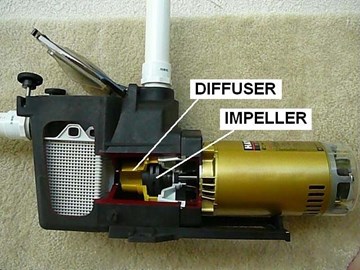
The impeller moves water through the pump. Dirt or debris can block it. Turn off the pump and open the pump housing. Check the impeller for clogs or damage. Clean out leaves, hair, or dirt. Replace the impeller if broken. A clear impeller helps the pump prime and run smoothly.
Preventing Future Loss Of Prime
Preventing your pool pump from losing prime is key to keeping it running smoothly. A pump that loses prime often stops moving water efficiently. This can cause damage and increase repair costs. Taking steps to prevent this problem saves time and money.
Simple actions can keep your pump primed and your pool clean. Regular checks and small fixes help maintain steady water flow. Let’s explore effective ways to avoid losing prime.
Regular Maintenance Tips
Check the pump basket and clean it weekly. Remove leaves and debris that block water flow. Inspect the pump lid’s O-ring for cracks or dryness. Apply lubricant to keep it flexible and airtight. Look at the pump’s strainer pot for cracks or leaks. Tighten all clamps and screws to avoid air leaks. Run the pump regularly to keep water moving and prevent air pockets. Replace worn parts quickly to maintain proper seal and suction.
Sealing Suction Lines
Check all suction line fittings for tight seals. Use plumber’s tape or sealant on threaded joints. Inspect pipes for cracks or damage that let air in. Secure pipe connections with clamps or brackets to prevent movement. Air leaks in suction lines cause the pump to lose prime. Seal all possible air entry points to maintain constant water flow. Test for leaks by running the pump and watching for bubbles or noise.
When To Call A Professional
Knowing when to call a professional for your pool pump saves time and stress. Some problems need expert care. Trying to fix complex issues alone can cause more damage. Professionals have tools and skills to diagnose and repair properly.
Complex Repairs
Complex repairs involve parts inside the pump or motor. Issues like seal leaks or motor burnout need expert attention. Professionals can open the pump safely and replace damaged parts. They also test the pump to ensure it works correctly. Trying these repairs without knowledge can harm the pump or cause injury.
Equipment Replacement
Sometimes, the pump or key parts wear out. Professionals can tell if replacement is better than repair. They install new pumps or parts to match your pool system. Proper installation prevents future problems and keeps the pump running well. A wrong replacement can cause poor performance or more issues.

Credit: www.youtube.com
Frequently Asked Questions
Why Does A Pool Pump Lose Prime After Turning Off?
Air enters the pump when off, breaking the water seal and causing loss of prime.
How Can I Prevent My Pool Pump From Losing Prime?
Check for leaks, keep the pump basket full of water, and maintain tight fittings.
What Happens If A Pool Pump Runs Without Prime?
The pump can overheat and get damaged due to lack of water flow.
Can A Clogged Pump Basket Cause Loss Of Prime?
Yes, a clogged basket can reduce water flow and make the pump lose prime.
How Often Should I Check My Pool Pump For Prime Issues?
Inspect the pump weekly, especially after turning it off and on again.
Does A Leaking Pump Lid Cause The Pump To Lose Prime?
Yes, air leaks from a cracked or loose lid can cause the pump to lose prime.
Conclusion
A pool pump losing prime after being turned off is common. Air can enter the system and break the water flow. Checking the pump and pipes helps keep the prime steady. Regular maintenance prevents this problem and saves time. Fixing leaks and ensuring proper water levels work well.
This keeps your pool pump running smoothly each time. Stay alert to signs of losing prime for quick action. Small steps make a big difference in pump performance.