
Have you ever woken up to find your pool pump not working because it lost its prime overnight? It’s frustrating, especially when you rely on your pump to keep your pool clean and clear.
When your pump loses prime, it can stop water from flowing properly, leading to dirty water and extra work for you. But don’t worry—understanding why this happens and how to fix it can save you time and money. Keep reading to discover simple steps you can take to prevent your pool pump from losing prime and keep your pool running smoothly every day.
Why Pool Pumps Lose Prime
Pool pumps need to stay primed to work well. Losing prime means the pump stops pulling water properly. This causes poor water flow or stops the pump entirely. Understanding why pool pumps lose prime helps fix the problem fast.
Common Causes
Several issues can cause a pool pump to lose prime. Most involve air getting into the system or water levels dropping too low. These problems stop the pump from holding water and working correctly.
Air Leaks In The System
Air leaks let air enter the pump and pipes. This breaks the water seal inside the pump. Common leak spots include pump lids, pipe joints, and valves. Even small cracks can cause big problems. Watch for bubbles or gurgling sounds near the pump. These signs often mean air is in the system.
Water Level Issues
Low water levels in the pool cause the pump to lose prime. The pump needs enough water to pull from the pool. If water drops below the skimmer, air gets sucked in. This breaks the water flow and stops the pump. Check pool water often to keep it above the skimmer line.
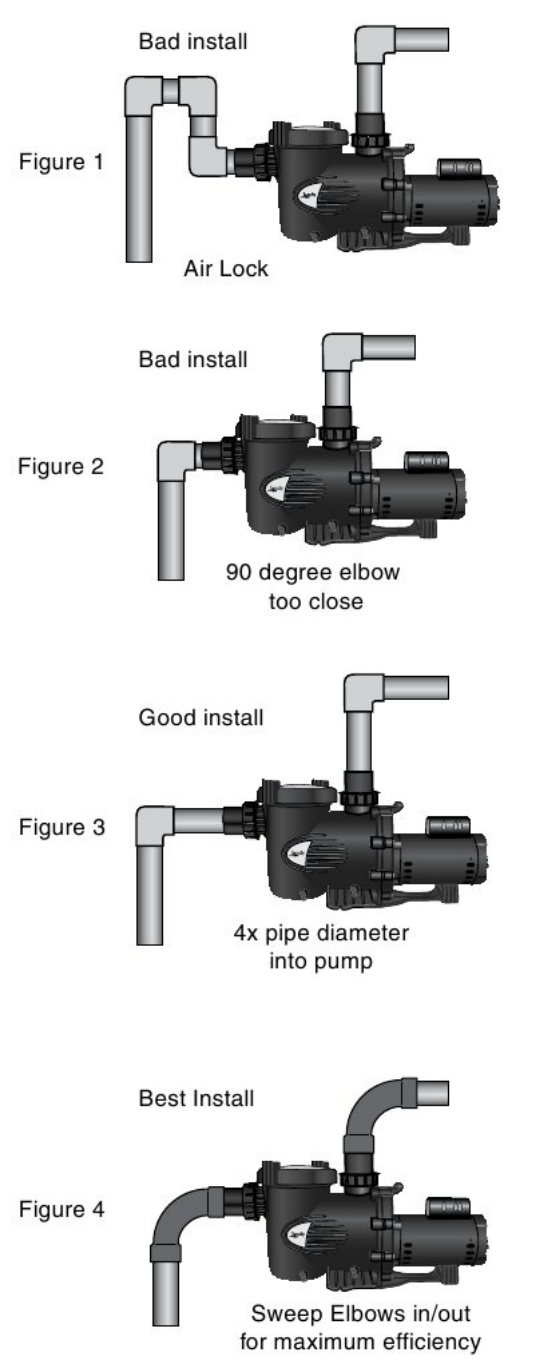
Credit: forum.inyopools.com
Signs Your Pump Has Lost Prime
Knowing the signs your pool pump has lost prime helps you act fast. A pump loses prime when air enters the system. This causes the pump to stop moving water properly. Spotting the warning signs early can save your pump from damage. Here are some common signs to watch for.
Unusual Noises
The pump may start making strange sounds. A loud rattling or whining noise is common. These noises happen because the pump is running without water. It may sound dry or like it is struggling. Strange noises usually mean the pump is losing prime.
Reduced Water Flow
The water flow from the pool may slow down. You might see weak water jets or low suction. This happens because the pump is not pulling water correctly. Reduced flow means air is blocking the water path. It is a clear sign the pump is losing prime.
Pump Not Starting
Sometimes the pump will not start at all. The motor might hum but fail to turn. This happens when the pump cannot build enough pressure. A pump without prime struggles to begin its cycle. No start or weak start signals a loss of prime.
Quick Steps To Restore Prime
When your pool pump loses prime overnight, it stops working properly. Restoring prime quickly gets your pool pump running again. Follow these simple steps to fix the problem fast. Each step helps remove air and refill water to restart the pump. Stay safe and check everything carefully.
Turn Off The Pump Safely
First, switch off the pool pump at the main power source. This stops the motor and prevents damage. Do not try to fix the pump while it is running. Wait a few minutes for the pump to cool down before you start any work.
Check And Refill Water Level
Open the pump lid and look inside the basket area. If water is low or missing, add clean water slowly. Fill until the basket and pump housing are full. This helps the pump pull water properly and restore prime.
Bleed Air From The Pump
Air trapped inside stops the pump from priming. Find the air release valve, usually on top of the pump. Open it slowly to let air escape. Close the valve once water starts flowing out. This clears air pockets and helps the pump work.
Inspect And Tighten Seals
Check all pump seals and connections for leaks or cracks. Loose seals let air in and cause loss of prime. Tighten any loose parts carefully. Replace damaged seals to keep the pump sealed and working well.
Preventing Future Loss Of Prime
Preventing your pool pump from losing prime overnight saves time and avoids damage. Simple steps help keep the pump working well. Consistent care stops air from entering the system and causing problems. Focus on key areas to maintain the pump’s prime and performance.
Regular Maintenance Tips
Check the pump basket and skimmer for leaves and debris. Clean them weekly to prevent blockages. Inspect the pump lid and O-ring for cracks or dirt. Tighten the lid securely to stop air leaks. Run the pump daily to keep water flowing properly.
Seal Replacement Schedule
Seals wear out over time and cause air leaks. Replace the pump seal every 1 to 2 years. Watch for signs like water leaks or strange noises. Use seals recommended by the pump manufacturer. Proper seals keep the pump airtight and maintain prime.
Monitoring Water Levels
Keep the pool water level above the skimmer intake. Low water causes air to enter the pump. Check water levels at least twice a week. Add water as needed, especially after heavy use or hot weather. Proper water levels help the pump stay primed overnight.
When To Call A Professional
Knowing when to call a professional is key for fixing a pool pump that loses prime overnight. Some problems need expert skills to avoid damage or wasted time. A professional can quickly find the cause and fix it safely. Acting early stops small issues from growing into big, costly repairs. Watch for signs that show you need help beyond basic checks.
Persistent Air Leaks
Air leaks in the pump system cause loss of prime. Small leaks might be easy to fix. But if air keeps entering after your efforts, a pro should inspect the pump. They can find hidden leaks in pipes or seals. Air leaks that last long reduce pump efficiency and can damage parts.
Pump Motor Issues
The pump motor moves water and keeps the system running. Strange noises, overheating, or failure to start are warning signs. These problems need expert testing and repair. A professional can check electrical connections and motor health. Ignoring motor issues leads to bigger failures and expensive replacements.
Complex Repairs
Some pump problems are tricky and need special tools or knowledge. Issues like cracked impellers, damaged seals, or worn bearings require skill. Attempting complex repairs without experience can cause more harm. Hiring a professional ensures the right parts and correct repair methods. This keeps your pool pump working well longer.

Credit: www.swimmingpoolsteve.com
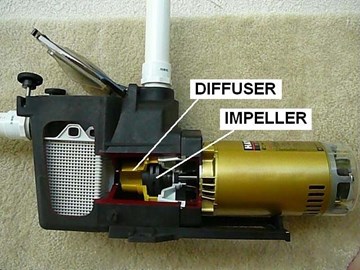
Credit: www.inyopools.com
Frequently Asked Questions
Why Does My Pool Pump Lose Prime Overnight?
Air or water leaks cause the pump to lose prime by letting air enter the system.
How Can I Stop My Pool Pump From Losing Prime?
Check for leaks, tighten fittings, and keep the pump basket full of water.
What Happens If A Pool Pump Runs Without Prime?
The pump can overheat and get damaged because it lacks proper water flow.
Can A Clogged Pump Basket Cause Loss Of Prime?
Yes, debris in the basket can block water flow and cause the pump to lose prime.
How Often Should I Check My Pool Pump For Prime Issues?
Inspect the pump daily or weekly, especially after cleaning or heavy use.
Is A Worn Pump Seal Responsible For Losing Prime?
A damaged seal can let air in, causing the pump to lose prime overnight.
Conclusion
A pool pump losing prime overnight can be frustrating. Check for air leaks or blockages in your system. Clean the pump basket and ensure water flows freely. Tighten all connections to stop air from entering. Regular maintenance helps keep your pump working well.
Catching small issues early saves time and money. Keep your pool pump primed for clear, clean water. Simple care prevents bigger problems later. Stay alert and act fast when your pump loses prime. Your pool will thank you with smooth, steady circulation.