
Have you ever checked your pool pressure gauge only to find it stubbornly stuck above zero? It’s frustrating because a pressure gauge that doesn’t return to zero can hide serious issues with your pool’s filtration system.
If you ignore it, you might face costly repairs or unsafe swimming conditions. But don’t worry—understanding why this happens and how to fix it is easier than you think. Keep reading to uncover the simple steps you can take to get your pool pressure gauge back to normal and keep your pool running smoothly.

Credit: www.amazon.com
Common Causes Of Pressure Gauge Stuck
A pool pressure gauge that does not return to zero can cause confusion and worry. Understanding the common reasons behind this problem helps in fixing it quickly. Several issues might cause the gauge to stay stuck and not show the correct pressure.
Blockages In The System
Blockages in the pipes or filter can stop water flow. This pressure buildup causes the gauge to stay high. Dirt, leaves, and debris often cause these blockages. Cleaning the filter and pipes can solve this issue fast.
Faulty Or Worn Gauge
The gauge itself can wear out over time. Parts inside may get stuck or broken. A worn gauge often shows wrong readings or stays stuck. Replacing the gauge is usually the best fix for this.
Air Trapped In The Lines
Air pockets inside the pool lines can cause false pressure readings. Trapped air pushes the gauge needle up. Bleeding the air out of the system clears the lines. This helps the gauge return to zero correctly.
Valve Malfunctions
Valves control water flow and pressure inside the pool system. A valve that sticks or leaks can raise pressure wrongly. Checking and fixing valve problems restores normal gauge function. Proper valve maintenance prevents this issue from happening again.
Checking The Pressure Gauge
Checking the pressure gauge is the first step to solve the problem of a pool pressure gauge not returning to zero. This helps find out if the gauge itself is the cause. Simple checks can save time and avoid extra costs.
Inspecting For Visible Damage
Look closely at the pressure gauge. Check for cracks on the glass face. Notice any bent or stuck needle. See if dirt or debris blocks the gauge. Damage can stop the needle from moving freely. Clean the gauge gently if dirty. Replace the gauge if broken parts appear.
Testing Gauge Accuracy
Test the gauge by comparing it to known pressure sources. Attach the gauge to a controlled pressure source. Watch if the needle moves smoothly. Note the pressure reading at zero pressure. Check the reading at several pressure points. A faulty gauge shows wrong or inconsistent readings. An accurate gauge returns to zero when pressure is removed.
Comparing With A Known Good Gauge
Use a working gauge as a comparison tool. Connect both gauges to the same pressure line. Compare the needle positions at zero pressure. Observe if the faulty gauge stays above zero. Check readings at different pressures. Differences suggest the first gauge needs repair or replacement.
Clearing Blockages And Air
Clearing blockages and trapped air is key to fixing a pool pressure gauge that won’t return to zero. Dirt, debris, or air pockets can cause false pressure readings. Removing these obstacles helps the gauge show the correct pressure. Follow simple steps to flush the system, bleed the air, and clean the filters.
Flushing The Pool System
Start by turning off the pool pump. Open the drain valves to let water flow out. This action pushes dirt and debris out of the pipes. Run clean water through the system for several minutes. Closing the valves afterward restores normal water flow. Flushing clears blockages that raise pressure readings.
Bleeding Air From The Lines
Air trapped in the pool lines can make the gauge stay high. Locate the air relief valve near the pump. Slowly open the valve to let air escape. Watch for water to replace the air. Close the valve once water flows steadily. Removing air helps the pressure gauge reset correctly.
Cleaning Or Replacing Filters
Dirty filters reduce water flow and increase pressure. Remove the filter cartridge or backwash sand filters. Rinse filters with a hose or replace old ones. Check manufacturer instructions for proper cleaning. Clean filters improve water flow and lower pressure readings. Regular filter care prevents gauge errors.
Fixing Or Replacing The Gauge
When a pool pressure gauge does not return to zero, fixing or replacing it becomes necessary. A faulty gauge can cause incorrect readings, leading to pool system problems. Addressing the issue quickly helps maintain your pool’s health and safety.
Calibrating The Gauge
Calibrating the gauge can solve minor errors in pressure readings. Start by releasing all pressure from the gauge. Check the needle’s position. If it does not rest at zero, adjust the calibration screw. Use a small screwdriver for this task. Turn the screw slowly until the needle points exactly to zero. Test the gauge several times to confirm accuracy. Calibration saves money and extends the gauge’s life.
Replacing The Pressure Gauge
Sometimes, a gauge cannot be fixed through calibration. Cracks, leaks, or internal damage require replacement. Turn off the pool pump before removal. Use a wrench to unscrew the old gauge carefully. Avoid damaging the pipe or fitting. Clean the threads before installing the new gauge. Screw the replacement gauge by hand first. Tighten it firmly but do not overtighten. Check for leaks after installation. Test the new gauge for correct zero reading.
Choosing The Right Replacement Gauge
Selecting the correct replacement gauge ensures proper function. Match the size of the new gauge to the old one. Check the thread type and pressure range carefully. Use a gauge rated for pool use and water pressure. Look for durable materials like stainless steel or brass. Avoid cheap plastic gauges that break easily. A good gauge provides accurate readings for years. Proper selection saves time and future problems.
Preventive Tips For Pressure Gauges
Pressure gauges play a key role in keeping pool systems safe and efficient. Preventive care helps avoid common problems like the gauge needle not returning to zero. Simple steps can keep your pressure gauge working well for a long time. These tips focus on regular checks, proper setup, and avoiding usual errors. Following these can save time and money on repairs.
Regular Maintenance Schedule
Check the pressure gauge often to spot early signs of trouble. Clean the gauge face and connections to keep dirt away. Replace worn parts before they cause damage. Keep a log of all maintenance activities for reference. Regular upkeep prevents buildup that can block the gauge’s mechanism. Scheduled maintenance helps the gauge stay accurate and reliable.
Proper Installation Techniques
Install the pressure gauge on a stable, vibration-free surface. Use the correct fittings and tools for a tight seal. Avoid overtightening which can damage the gauge threads. Position the gauge where it is easy to read and service. Check for leaks after installation by applying soapy water. Correct installation reduces stress on the gauge and improves performance.
Avoiding Common Mistakes
Never force the gauge needle to zero by hand. Avoid exposing the gauge to extreme temperatures or chemicals. Do not drop or hit the gauge during handling or cleaning. Ensure the gauge matches the pressure range of your pool system. Avoid using old or damaged gauges as they give false readings. Preventing these errors keeps the gauge accurate and long-lasting.
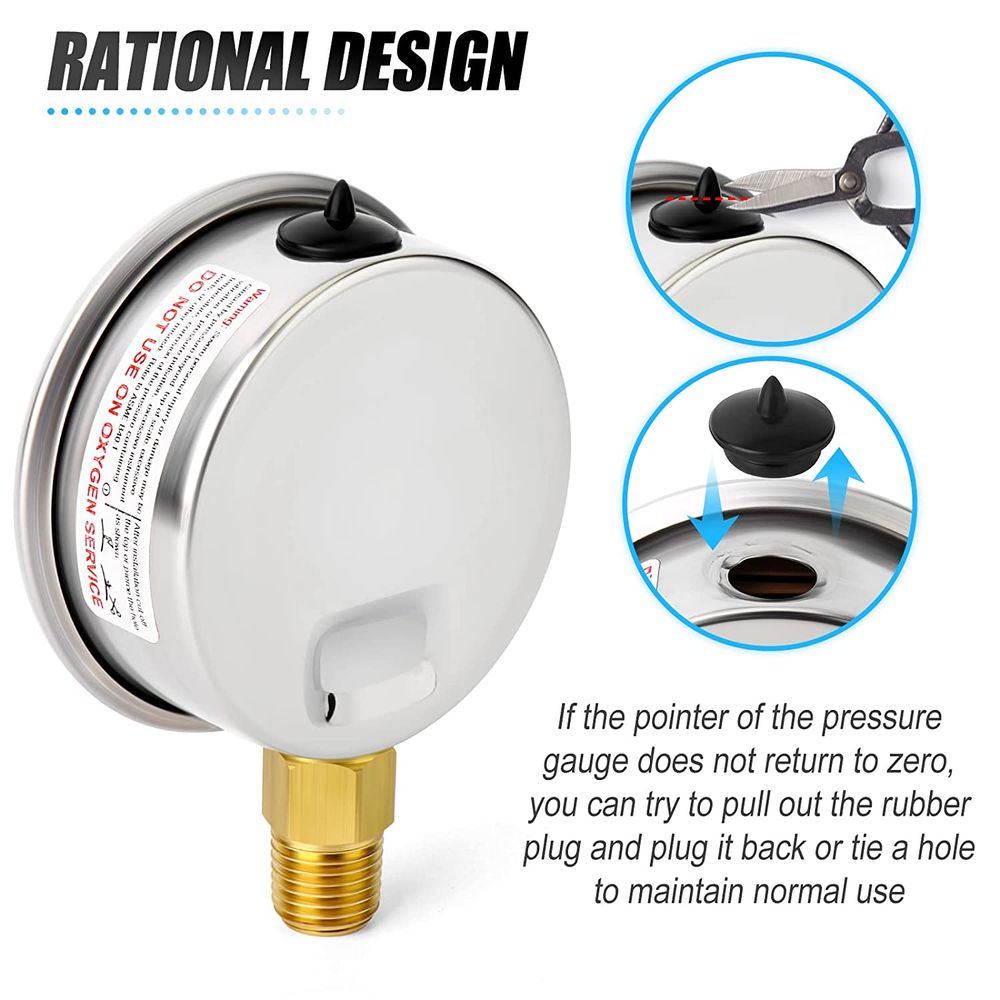
Credit: www.g-locbrakes.com

Credit: www.sospool.com
Frequently Asked Questions
Why Does My Pool Pressure Gauge Not Return To Zero?
The gauge needle may stick due to dirt, damage, or a faulty gauge valve.
How Can I Fix A Pool Pressure Gauge Stuck Above Zero?
Try cleaning the gauge, releasing trapped air, or replacing the gauge if damaged.
Is A Stuck Pressure Gauge Dangerous For My Pool System?
Yes, it may cause inaccurate readings, leading to poor pool pump performance or damage.
Can Air Trapped In The System Affect The Pressure Gauge Reading?
Yes, trapped air can cause the gauge to show higher than actual pressure.
How Often Should I Check And Maintain My Pool Pressure Gauge?
Check weekly and clean or replace the gauge as needed to ensure accuracy.
What Causes A Pool Pressure Gauge To Give False High Readings?
Clogged filters, air in the system, or a damaged gauge can cause false readings.
Conclusion
A pool pressure gauge not returning to zero can signal issues. Check the gauge for damage or dirt. Clean or replace it if needed. Also, inspect your pool system for leaks or blockages. Regular maintenance helps keep pressure readings accurate.
Watch your gauge closely to avoid bigger problems. Proper care extends your pool equipment’s life. Stay alert and fix small issues early. This keeps your pool safe and running smoothly. Simple steps prevent costly repairs down the road.