
Is your pool liner not touching the wall the way it should? This can be frustrating because it affects how your pool looks and functions.
You might wonder if it’s a big problem or something you can fix yourself. Understanding why this happens and what you can do about it will save you time, money, and stress. Keep reading to discover simple solutions that will help your pool liner fit perfectly and keep your pool in great shape.
Common Causes Of Pool Liner Gaps
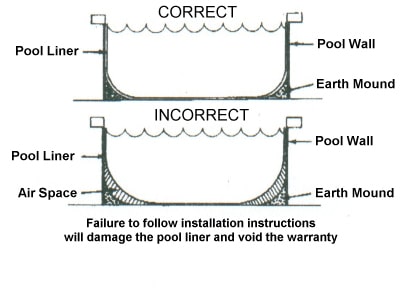
Pool liner gaps happen when the liner does not fit snugly against the pool walls. These gaps cause water to pool behind the liner, leading to damage or leaks. Understanding common causes can help prevent or fix these issues quickly. Below are some main reasons why pool liners may not touch the walls properly.
Improper Installation
Installing a pool liner takes skill and care. If the liner is stretched too much or not aligned well, gaps appear. Poor measurements or rushing the process often cause this problem. A liner installed without smooth edges will not fit the walls tightly.
Ground Shifting
Soil around the pool can move over time. This shifting changes the shape of the pool frame. When the frame moves, the liner can pull away from the walls. Ground shifting is common after heavy rain or freezing weather.
Temperature Fluctuations
Heat and cold make the liner expand and contract. Large temperature changes cause the liner to loosen from the walls. Hot days stretch the liner, while cold nights shrink it. These changes create small gaps between the liner and pool walls.
Liner Material Issues
Low-quality liner materials are less flexible and prone to damage. Thin or brittle liners break or tear easily. A damaged liner does not stay tight against the walls. Choosing a strong, durable liner reduces the chance of gaps forming.
Credit: www.poolwarehouse.com
Signs Your Pool Liner Isn’t Touching The Wall
Noticing problems with your pool liner? One common issue is the liner not touching the wall properly. This problem causes several signs you can spot early. Catching these signs helps avoid bigger damage. Here are clear signs your pool liner isn’t touching the wall.
Visible Gaps Or Wrinkles
Look closely at the pool liner surface. Gaps appear between the liner and the wall. Wrinkles form on the liner’s surface. These wrinkles often gather dirt and debris. They create an uneven look inside the pool. Gaps let water and air get trapped behind the liner.
Water Leakage
Water leaks are a strong sign of liner problems. Water seeps through spaces between the liner and wall. You may see water pooling outside the pool. Leaks increase pool water loss quickly. They also damage the pool structure over time.
Uneven Pool Surface
The pool floor may feel bumpy or soft. Uneven spots show that the liner is loose. These areas can cause discomfort when swimming. Uneven surfaces point to liner shifting or poor fitting. They need fixing to keep the pool safe and nice.
Tools And Materials Needed
Fixing a pool liner that does not touch the wall needs specific tools and materials. Using the right items makes the repair easier and longer-lasting. Gather these tools before starting your work.
Liner Repair Kit
A liner repair kit includes patches and adhesives made for pool liners. These kits fit most vinyl liners and help seal any gaps. Choose a kit that matches your liner’s material and color.
Adhesive Sealants
Adhesive sealants keep the liner stuck to the pool wall. They are waterproof and flexible to handle water pressure. Use sealants designed for pool use to avoid damage.
Pool Vacuum
A pool vacuum removes dirt and debris near the liner edges. Clean surfaces help the liner stick better. Use a soft vacuum to avoid tearing the liner during cleaning.
Soft Brush Or Roller
A soft brush or roller spreads the adhesive evenly on the liner and wall. It prevents air bubbles under the liner. Choose soft tools to protect the liner’s surface during the repair.
Credit: knowledgebase.royalswimmingpools.com
Step-by-step Fixes For Pool Liner Fit
Fixing a pool liner that does not touch the wall requires careful steps. Each step helps the liner fit smoothly and prevents damage. Follow these simple actions to improve your pool liner’s fit and keep your pool safe and clean.
Draining The Pool Partially
Start by lowering the water level. Drain the pool until the water is below the liner gap. This reduces pressure on the liner and makes it easier to adjust. Avoid draining all the water at once to protect the pool structure.
Smoothing Out Wrinkles
After draining, check for wrinkles or air pockets. Use your hands or a soft tool to gently press them out. Smooth liners stay in place better and look nicer. Take your time to avoid tearing the liner.
Repositioning The Liner
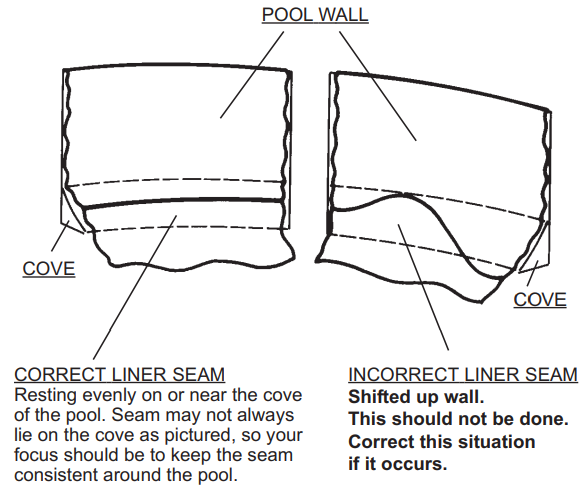
Lift and move the liner carefully toward the pool wall. Align it evenly along the edges and corners. Make sure the liner lies flat without folds. This step ensures the liner fits tightly against the pool walls.
Sealing Edges Properly
Secure the liner edges using the pool’s coping or track system. Check for any loose areas and fix them with the proper sealant or clips. Well-sealed edges stop water from getting behind the liner. This keeps the liner stable and extends its life.
Preventing Future Liner Separation
Preventing future liner separation is key to keeping your pool safe and looking good. A liner that pulls away from the wall can cause leaks and damage. Taking simple steps helps the liner stay in place longer. Regular checks and small fixes stop bigger problems.
Regular Maintenance Tips
Check your pool liner every week. Look for signs of pulling or gaps near the walls. Clean the liner gently with a soft brush to avoid damage. Keep the water balanced; too much acid or chlorine can weaken the liner. Fix small tears or wrinkles quickly to stop them from growing. Keeping the liner smooth and tight helps it last longer.
Proper Pool Wall Support
Strong walls support the liner well. Inspect the pool walls for cracks or weak spots. Add braces or supports if the walls seem unstable. Make sure walls stay straight and firm. A solid wall keeps the liner from pulling away. Avoid sharp edges that might tear the liner. Proper support helps the liner fit snugly.
Seasonal Adjustments
Pool liners can change with seasons. Water levels drop in winter, causing liners to shift. Lower the water slowly before winter to ease pressure. Use a winter cover to protect the liner from cold and debris. In spring, raise water levels back gently. Check the liner for any movement after changes. Seasonal care keeps the liner tight all year.
When To Call A Professional
Knowing when to call a professional is key for fixing a pool liner that is not touching the wall. Some problems need expert help to avoid bigger issues. Acting too late can cause damage that costs more to repair.
Here are signs that show it is time to get a professional involved. They have the skills and tools to make the pool safe and look good again.
Severe Liner Damage
Large tears or holes in the liner need a professional’s care. Patching small cracks is one thing, but big damage requires expert repair. A pro can replace or fix the liner so it fits well and keeps water in.
Persistent Fit Issues
If the liner never sits right after many tries, call a professional. Bad fit can cause wrinkles and gaps that trap water or dirt. Experts know how to stretch and place liners for a smooth, tight fit.
Structural Pool Problems
Sometimes the pool walls or floor shift or crack. These problems stop the liner from touching the wall properly. Professionals check the pool’s structure and fix any damage before fixing the liner.
Credit: www.creativesafetysupply.com
Frequently Asked Questions
Why Is My Pool Liner Not Touching The Wall?
A loose liner often means air or water trapped behind it, causing it to pull away from the wall.
Can A Pool Liner Gap Cause Leaks?
Yes, gaps can let water seep behind the liner, leading to leaks and damage over time.
How Do I Fix A Pool Liner Not Touching The Wall?
Use a vacuum to remove air or water trapped behind and gently press the liner back.
Does Temperature Affect Pool Liner Fit?
Yes, heat can expand the liner, causing it to loosen from the wall temporarily.
When Should I Replace A Pool Liner?
Replace it if gaps are large, frequent, or if the liner shows cracks or tears.
Can Poor Installation Cause Liner Gaps?
Improper fitting or uneven walls can cause the liner not to sit flush against the wall.
Conclusion
A pool liner not touching the wall can cause issues. Fixing it early saves time and money. Check for wrinkles, debris, or poor installation. Smooth the liner carefully and keep the pool clean. Regular maintenance helps the liner stay in place.
Small steps make your pool safe and nice. Enjoy your pool without liner problems. Simple care keeps everything working well. Don’t ignore signs of liner trouble. Act quickly to keep your pool ready for fun.