
Is your pool pump running with high pressure but the water flow feels weak? This common problem can be frustrating because it affects your pool’s cleanliness and overall enjoyment.
If you’ve noticed strong pressure but low flow, you’re likely facing an issue that needs quick attention. You’ll discover why this happens, how it impacts your pool, and simple steps you can take to fix it. Keep reading to make sure your pool stays crystal clear and refreshing all season long.
Causes Of High Pressure Low Flow
High pressure combined with low flow in a pool system signals a problem. This issue causes poor water circulation and affects pool cleanliness. Identifying the cause helps fix the problem quickly. Several common factors lead to high pressure and low flow in pools.
Clogged Pump Basket
The pump basket catches leaves and debris. When clogged, water cannot flow freely. This blockage increases pressure and reduces flow. Regular cleaning of the basket keeps the system running well.
Dirty Pool Filter
Filters trap dirt to keep pool water clean. Over time, dirt builds up inside the filter. This buildup restricts water flow and raises pressure. Backwashing or replacing the filter media solves this issue.
Blocked Return Lines
Return lines send water back to the pool. If blocked by debris or algae, flow decreases. Pressure rises as water struggles to move through. Clearing blockages restores normal flow and pressure.
Closed Or Partially Closed Valves
Valves control water flow in the system. Valves left closed or partly closed cause high pressure. Flow slows down due to restricted water paths. Checking and adjusting valves ensures proper flow.
Air Leaks In The System
Air entering the pump causes flow issues. Air leaks reduce water volume and increase pressure. Common leak points include pump lid and fittings. Sealing leaks keeps water flowing smoothly.
Faulty Pump Impeller
The impeller moves water through the pump. A damaged or worn impeller lowers flow rates. Pressure builds up as water movement slows. Replacing the impeller improves pump performance.
Signs Of High Pressure Low Flow
High pressure and low flow in a pool system can cause many problems. It affects water movement and pool efficiency. Detecting signs early helps prevent damage and costly repairs.
These signs show your pool system may have high pressure but low water flow.
Rising Pressure Gauge
The pressure gauge on the filter starts to climb higher than normal. This rise shows resistance in the system. High pressure with low flow means the pump is working hard but water moves slowly.
Reduced Water Circulation
Water moves slower through the pool pipes. You may feel weaker currents from return jets. Poor circulation means chemicals do not spread well. This can cause uneven water quality.
Increased Energy Consumption
The pool pump uses more electricity than usual. It runs longer or at higher speed to push water. This wastes energy and raises your bills. High pressure strains the pump motor.
Poor Water Clarity
Cloudy or murky water appears in the pool. Dirt and debris do not get filtered out properly. Low flow prevents proper cleaning. This affects the pool’s look and safety.
Tools Needed For Troubleshooting
Troubleshooting a pool with high pressure but low flow requires the right tools. These tools help identify the problem quickly. Having them ready makes the repair process easier and faster.
Each tool serves a specific purpose. They help measure, adjust, or replace parts to fix the flow issue. Below are the essential tools you need for effective troubleshooting.
Pressure Gauge
A pressure gauge shows the exact pressure inside the pool system. It helps spot clogs or blockages. High pressure with low flow often means something is stuck. The gauge tells you where the pressure builds up.
Screwdrivers And Wrenches
Screwdrivers and wrenches allow you to open the pump and filter. You can check inside for debris or broken parts. These tools also help tighten or loosen fittings that may cause leaks or pressure drops.
Water Flow Meter
A water flow meter measures how much water moves through the system. It confirms if the flow is below normal. Low flow with high pressure can mean a pump or filter problem. The meter gives clear data to guide repairs.
Replacement Parts
Keep common replacement parts handy. Seals, O-rings, and impellers often wear out and cause flow issues. Having these parts ready cuts down repair time. It helps restore proper water movement quickly.
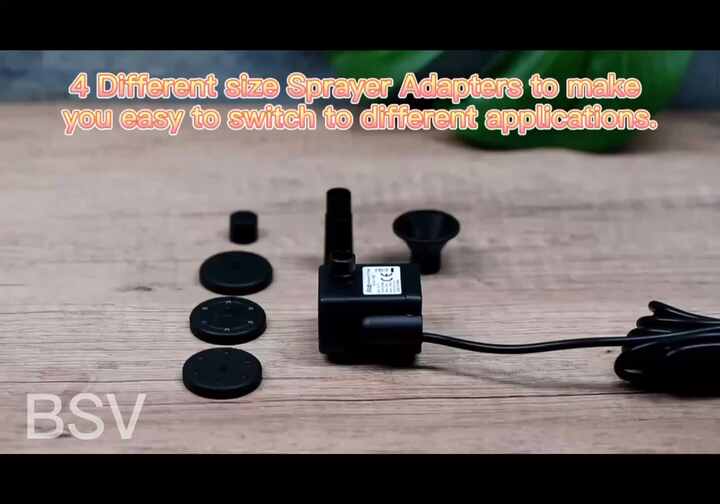
Credit: www.alibaba.com
Step-by-step Fixes
Fixing a pool with high pressure but low flow can be simple. Following clear steps helps find the problem fast. Each step targets common issues that block water flow. Keep tools ready and work safely. This guide breaks down easy actions anyone can take.
Turn Off The Pump And Power
Always start by turning off the pump and power. This prevents accidents and protects the pump. Unplug the pump or switch off the breaker. Wait a few minutes before handling parts. Safety first.
Clean The Pump Basket
Open the pump lid and remove the basket. Clear out leaves, dirt, and debris inside. Rinse the basket with water to remove tiny particles. A clean basket improves water flow quickly. Replace the basket and secure the lid.
Backwash Or Clean The Filter
Backwash the filter to remove trapped dirt inside. Follow the filter’s instructions for backwashing steps. For cartridge filters, remove and rinse them well. A clean filter lowers pressure and boosts flow. Check filter pressure gauges after cleaning.
Inspect And Clear Return Lines
Check the return lines for blockages or damage. Remove any visible debris or buildup inside the pipes. Use a hose to flush out the lines if needed. Clear return lines help water flow freely back to the pool.
Check And Adjust Valves
Look at all valves on the pool system. Make sure they are open and in the right position. Valves control water flow direction and pressure. Adjust valves to balance pressure and increase flow rate.
Look For Air Leaks And Seal Them
Air leaks reduce pump efficiency and cause low flow. Check pump lid, fittings, and pipes for air bubbles or noise. Tighten fittings and replace worn seals or gaskets. Sealing air leaks keeps the pump running smoothly.
Examine And Replace Impeller If Needed
Remove the pump cover to inspect the impeller inside. Look for cracks, clogs, or damage on the impeller blades. Clean any debris stuck on the impeller. Replace the impeller if it is broken or worn out. A good impeller moves water well and fixes low flow problems.
Preventive Maintenance Tips
Preventive maintenance is key to avoiding pool high pressure and low flow issues. Regular care keeps the system running smoothly. It also extends the life of your pool equipment. Small checks today stop big problems tomorrow.
Regular Cleaning Schedule
Clean the pool filter and pump basket often. Dirt and debris cause blockages. These blockages increase pressure and reduce water flow. Set a weekly cleaning routine. Clear leaves, hair, and dirt. This keeps water moving freely.
Monitor Pressure And Flow Daily
Check the pressure gauge every day. Note any pressure changes from normal levels. Also, watch the water flow rate. Low flow and high pressure signals a problem. Early detection helps fix issues fast. Prevents damage to the pump and filter.
Routine Equipment Inspections
Inspect all pool equipment regularly. Look for cracks, leaks, or worn parts. Tighten loose fittings and replace damaged seals. Check the pump impeller for clogs or damage. Regular inspections catch problems before they grow. Keep the pool system safe and efficient.
Proper Winterization
Prepare your pool for cold months properly. Drain water from pipes and equipment. Use antifreeze if needed to prevent freezing damage. Store removable parts in a dry place. Winterization protects the pump and filter. It stops pressure and flow problems in spring.

Credit: heatpumps4pools.com
When To Call A Professional
Low water flow with high pressure in your pool system often signals hidden problems. Some issues are simple to fix, but others need a skilled professional. Knowing when to call a pool expert can save time and prevent damage.
Persistent Pressure Issues
High pressure combined with low flow that keeps coming back is a warning sign. It may point to clogs or blockages inside pipes or filters. A professional can diagnose the root cause and clean or replace parts safely.
Complex Plumbing Problems
Pool plumbing can be tricky with many valves and pipes. Twists, leaks, or broken pieces often need expert hands. A pro knows how to handle complex plumbing without causing more damage or leaks.
Pump Motor Malfunctions
The pump motor powers water flow in your pool. Strange noises or failure to start mean motor trouble. Skilled technicians test and fix motors properly, ensuring your pool runs smoothly again.
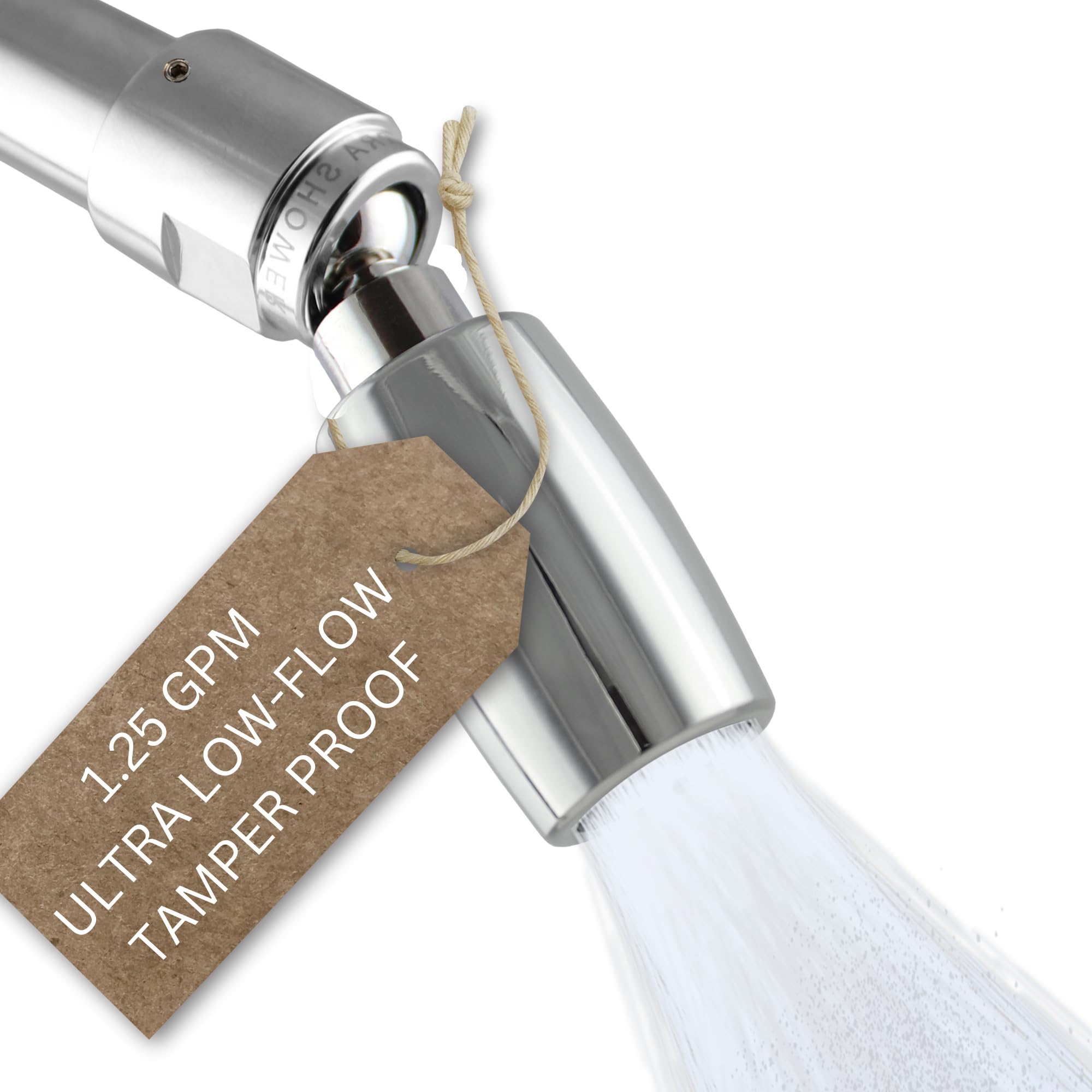
Credit: www.cart2india.com
Frequently Asked Questions
What Causes High Pressure But Low Flow In Pool Pumps?
Clogged filters, blocked pipes, or closed valves often cause high pressure and low water flow.
How Can I Fix Low Flow With High Pressure In My Pool?
Clean filters, check valves, and remove any pipe blockages to restore normal flow.
Does A Dirty Pool Filter Cause Low Flow And High Pressure?
Yes, a dirty filter restricts water, raising pressure and lowering flow rate.
Can Pump Problems Lead To High Pressure And Low Flow?
Yes, damaged impellers or air leaks in the pump can cause these issues.
Is Low Water Level A Reason For High Pressure, Low Flow?
Low water can cause pump cavitation, leading to abnormal pressure and flow problems.
Should I Call A Professional For High Pressure Low Flow Issues?
If basic cleaning and checks don’t help, a professional can diagnose complex problems.
Conclusion
High pressure with low flow can cause pool problems. Check your pump and filters for blockages. Clean or replace dirty parts to improve flow. Regular maintenance keeps water clean and clear. Fix issues early to avoid costly repairs. A smooth water flow helps chemicals work better.
Keep your pool safe and enjoyable for everyone. Simple steps lead to a better swimming experience. Stay alert to changes in your pool’s performance. Your pool will thank you with crystal-clear water.