
When it comes to keeping your pool crystal clear, understanding how to care for your pool filter is key. You’ve probably heard the terms “rinse” and “backwash” thrown around, but do you know the real difference between them?
Using the wrong method at the wrong time can waste water, damage your filter, or leave your pool cloudy. You’ll discover exactly when and why you should rinse or backwash your pool filter. By the end, you’ll feel confident in making the right choice to keep your pool sparkling and ready for your next swim.
Let’s dive in!
Credit: poolpartstogo.com
Pool Filter Basics
Understanding pool filter basics helps keep your water clear and safe. Filters remove dirt, leaves, and tiny particles from pool water. Clean water means a healthy swimming experience. Knowing how filters work guides proper maintenance and care.
Types Of Pool Filters
There are three main types of pool filters: sand, cartridge, and diatomaceous earth (DE). Sand filters use sand to trap debris. Cartridge filters have a pleated material that catches dirt. DE filters use a fine powder to filter very small particles. Each type needs different care and cleaning methods.
How Filters Clean Water
Pool water flows through the filter system. The filter traps dirt and debris inside its media. Clean water flows back into the pool. Over time, the filter gets clogged with dirt. This reduces water flow and cleaning power. Cleaning or rinsing the filter restores its function.

Credit: mrpoolman.com.au
What Is Backwashing
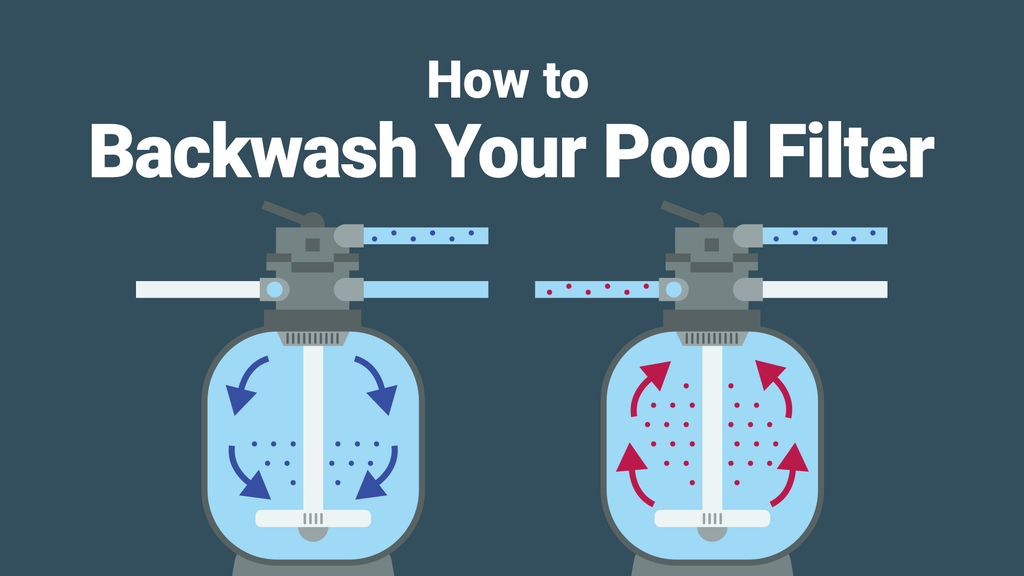
Backwashing is a key process to keep your pool filter clean and working well. It removes dirt and debris trapped in the filter. This helps water flow freely and keeps your pool sparkling clear. Backwashing is different from rinsing because it cleans inside the filter in the opposite direction of normal flow.
When To Backwash
Check your pool filter’s pressure gauge regularly. Backwash when the pressure rises 8-10 psi above normal. This means the filter is clogged with dirt and needs cleaning. Also, backwash after heavy rain or pool use, which adds extra debris. Avoid backwashing too often to save water and protect the filter.
Steps For Backwashing
First, turn off the pool pump. Next, set the filter valve to the backwash position. Turn the pump back on and run it for 2-3 minutes. Watch the water in the sight glass; it should look dirty at first, then clear. Turn off the pump again. Set the valve to rinse and run for 30 seconds. Finally, return the valve to the filter position and turn on the pump.
What Is Rinsing
Rinsing is a simple but important step in pool filter care. It helps keep your filter clean and working well. Rinsing comes after backwashing and clears out leftover dirt. This stops dirty water from going back into the pool. Understanding rinsing helps you maintain clear, safe pool water. Let’s explore why rinsing matters and how to do it right.
Purpose Of Rinsing
Rinsing removes dirt and debris left after backwashing. It clears the filter’s sand or cartridge. This step prevents dirty water from returning to the pool. Rinsing also settles the filter media back in place. It ensures the filter works properly and lasts longer. Without rinsing, the pool water can become cloudy quickly.
How To Properly Rinse
First, turn the filter valve to the rinse setting. Run the pump for about 1 to 2 minutes. This flushes out leftover dirt from the filter. Watch the water in the sight glass if your system has one. It should clear up before stopping. After rinsing, return the valve to the normal filter mode. Always rinse after backwashing for best results.
:max_bytes(150000):strip_icc()/How-to-backwash-a-pool-2736842_final-88310d15b42142f5b17d799d83bd0810.png)
Credit: www.thespruce.com
Backwash Vs Rinse
Understanding the difference between backwash and rinse is important for pool maintenance. Both help keep the pool filter clean but serve different purposes. Knowing when to use each can improve your pool’s water quality.
Differences In Process
Backwash reverses water flow through the filter. It pushes dirt and debris out of the filter media. This cleans the filter thoroughly.
Rinse runs water in the normal direction. It clears leftover dirt after backwashing. It also resets the filter’s sand or cartridge.
Impact On Filter Performance
Backwashing removes large amounts of dirt. It restores filter flow and pressure. Without backwash, filters clog quickly.
Rinsing prevents dirt from returning to the pool. It keeps the filter media settled. This improves filtration and pool water clarity.
Common Mistakes To Avoid
Pool maintenance needs careful attention to avoid common mistakes. These errors can reduce your pool’s cleanliness and damage the filter system. Understanding what to avoid helps keep your pool water clear and safe.
Skipping Rinse After Backwash
Rinsing after backwashing is essential. It removes leftover dirt and debris from the filter. Without rinsing, dirty water flows back into the pool. This makes the water cloudy and dirty again. Always rinse for a few minutes after backwashing. It resets the filter and protects your pool water.
Backwashing Too Often
Backwashing too often can harm your filter. It wastes water and chemicals. Frequent backwashing wears out the filter media faster. Check the pressure gauge before backwashing. Only backwash when the pressure rises 8-10 psi above normal. This keeps your filter working well and saves resources.
Tips For Clear Water Maintenance
Clear pool water does not happen by chance. It needs careful care and simple daily actions. Keeping water clean means less work and more fun in your pool. Here are some easy tips to help you maintain clear water all season.
Regular Filter Checks
Check your pool filter often. Look for dirt or blockages. A dirty filter can stop water from flowing well. Clean or replace the filter parts as needed. This keeps water clear and helps your pool stay healthy.
Balancing Pool Chemistry
Test your pool water weekly. Keep the pH and chlorine levels in the right range. Balanced water stops algae and bacteria growth. Use simple pool test kits to check your water. Add chemicals carefully to keep the water safe.
Frequently Asked Questions
What Is The Main Difference Between Rinse And Backwash?
Rinse clears dirt and debris after backwashing. Backwash cleans the filter by reversing water flow.
How Often Should I Backwash My Pool Filter?
Backwash when the pressure gauge rises 8-10 psi above normal.
Can I Rinse Without Backwashing First?
No, rinsing is for after backwashing to settle the filter media.
Does Rinsing Save Water Compared To Backwashing?
Rinsing uses less water but does not clean the filter deeply like backwashing.
What Happens If I Skip Rinsing After Backwashing?
Skipping rinse can cause dirty water to return to the pool.
Is Backwashing Harmful To Pool Equipment?
Backwashing is safe when done correctly; it protects filter efficiency and longevity.
Conclusion
Pool filter rinse and backwash both keep your pool clean. Rinse clears leftover dirt after backwashing. Backwash removes heavy debris from the filter. Use backwash when the filter pressure is high. Rinse helps settle the filter media after backwash. Regular use of both keeps water clear and fresh.
Remember to follow your pool’s specific needs. Clean filters mean better swimming water quality. Simple steps lead to a healthy pool all season. Choose the right method to save time and effort.