
When it comes to using a pool cover, one simple question often causes confusion: should the black side be up or down? This small detail can make a big difference in keeping your pool clean, warm, and ready for a swim.
You might wonder which way really works best for your pool and why it matters. You’ll discover the truth behind the black side of your pool cover and how to use it correctly to get the most benefits. Keep reading, because the answer could save you time, money, and hassle all season long.
Choosing Pool Cover Orientation
Deciding how to place your pool cover is important. The cover usually has two sides, one black and one colored or reflective. Each side offers different benefits depending on which way you place it. Understanding these can help you protect your pool better and save energy.
Choosing the right side up affects heat retention, algae growth, and water cleanliness. It can also influence how much sunlight reaches the water. Let’s explore what each side offers for your pool.
Black Side Benefits
The black side absorbs more heat from the sun. This helps warm the pool water faster. It can keep the water warmer during cooler days or nights.
This side blocks sunlight better, reducing algae growth. Less sunlight means fewer nutrients for algae to grow. It helps keep the pool cleaner for longer.
The black side also reduces water evaporation. This saves water and lowers the need to refill often. It is a good choice for pools in dry or hot areas.
Opposite Side Advantages
The opposite side often reflects sunlight instead of absorbing it. This can keep the water cooler in hot climates. It prevents the pool from overheating on sunny days.
This side usually has a lighter color or a shiny finish. It reflects harmful UV rays, protecting the pool surface and water quality. It helps reduce chemical use.
Using the opposite side up can make your pool more comfortable in summer. It also lowers energy costs if you use a pool heater. This side is best for warmer areas or summer use.
Credit: www.walmart.com
Weather Impact On Cover Placement
The choice of which side of a pool cover faces up can change how weather affects your pool. Weather impacts heat, debris, and wind protection. Understanding these effects helps keep your pool clean and comfortable.
Heat Retention And Cooling
Black sides absorb more heat from sunlight. This helps warm the pool water faster. Placing the black side up can keep the pool warmer during cool days.
On hot days, the black side may cause the pool to get too warm. Turning the black side down lets the lighter side reflect sunlight. This helps keep the pool cooler.
Wind And Debris Protection
The black side is usually thicker and stronger. It can block wind better and stop debris from blowing into the pool. Placing the black side up offers more protection from leaves and dirt.
Strong winds may lift the cover if it is too light. Using the black side up adds weight and keeps the cover in place. This helps protect your pool from mess and damage.
Pool Cover Material Insights
Choosing the right material for your pool cover affects its performance and lifespan. Different materials offer different benefits. Knowing these can help you decide which side of the cover should face up.
Pool covers come mainly in two types: bubble covers and solid covers. Each has unique qualities that impact heat retention, water evaporation, and durability.
Bubble Covers
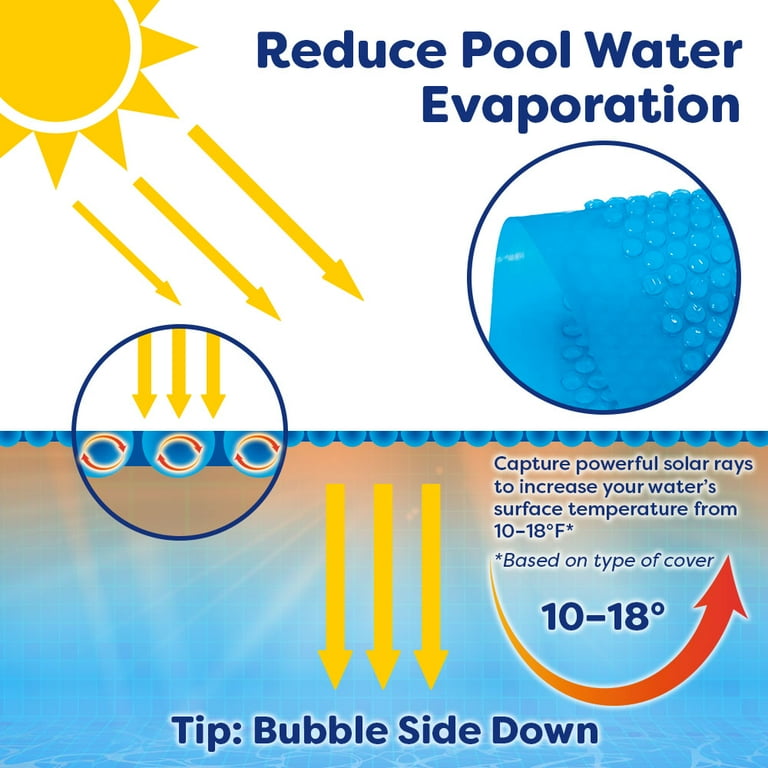
Bubble covers look like big sheets with air pockets. These bubbles trap heat and keep water warm. They help reduce water loss by lowering evaporation.
The side with bubbles usually goes down, touching the water. This design helps the cover float and hold heat better. The smooth side stays on top to resist dirt and damage.
These covers are lightweight and easy to handle. They work well for pools needing regular heating.
Solid Covers
Solid covers are thick and made from durable materials. They block sunlight and prevent algae growth. This keeps your pool cleaner for longer.
The color or texture of a solid cover can affect heat absorption. Some have a black side that should face down to absorb heat. The other side reflects light and stays cooler.
Solid covers are heavier and strong. They protect pools during off-seasons or bad weather.
Credit: intheswim.com
Seasonal Cover Strategies
Choosing the right side of a pool cover can affect your pool all year. Seasonal cover strategies help protect your pool and keep it clean. Knowing when to place the black side up or down can save time and effort. These tips focus on summer and winter needs.
Summer Tips
Keep the black side down during summer. It absorbs less heat, helping the water stay cooler. This reduces algae growth and keeps the pool fresh. The cover blocks debris and stops water evaporation. It also lowers chemical use and saves money.
Winter Preparation
Flip the cover so the black side faces up in winter. It absorbs sunlight and warms the water slightly. This helps prevent freezing and damage to the pool surface. The cover keeps leaves and dirt out. It also protects pool equipment during cold months.
Maintenance And Longevity
Proper maintenance extends the life of your pool cover. It keeps the cover strong and functional for years. Knowing how to clean and store it helps avoid damage and wear. This section explains easy steps to care for your pool cover correctly.
Cleaning Techniques
Use a soft brush or broom to remove dirt and leaves. Avoid harsh scrubbing to prevent tears. Rinse the cover with a garden hose regularly. Mild soap mixed with water works well for stains. Do not use strong chemicals or bleach. Let the cover dry completely before folding or storing.
Storage Recommendations
Store the cover in a cool, dry place away from sunlight. Fold it neatly to avoid creases and cracks. Avoid placing heavy objects on top of the cover. Use a storage bag or container to protect it from dust. Check the cover for damage before storing. Proper storage helps keep the material flexible and strong.
Credit: www.amazon.com
Safety And Energy Efficiency
Choosing the correct side of your pool cover to place up or down affects safety and energy use. Understanding these impacts helps keep your pool area safe and your bills low.
Preventing Accidents
A pool cover adds a strong barrier over the water. The black side usually absorbs sunlight, making the cover warmer and less slippery. Placing it up can reduce falls and slips near the pool.
When the black side faces down, the cover stays cooler but may be slicker. A safer cover helps protect children and pets from falling in. Always check the cover’s texture and firmness for safety.
Reducing Energy Costs
The black side up absorbs heat from the sun. This warms the pool water naturally, lowering the need for extra heating. It saves energy and cuts down electric bills.
With the black side down, the cover reflects more light and stays cooler. This can keep the water cooler longer, raising heating costs. Using the black side up is better for energy saving.
Frequently Asked Questions
Should The Black Side Of A Pool Cover Face Up Or Down?
The black side should face down to absorb heat and keep the pool warm.
What Happens If The Black Side Is Facing Up?
The black side on top may fade faster and does not warm the pool effectively.
Does The Black Side Help With Pool Heating?
Yes, the black side absorbs sunlight and helps raise the water temperature.
Can The Pool Cover Protect Against Dirt Both Ways?
Yes, both sides block dirt, but the black side down helps with heat retention.
How Does The Black Side Affect Pool Chemical Balance?
It helps reduce algae growth by warming water and blocking sunlight from above.
Is It Okay To Switch The Black Side Occasionally?
Switching is fine, but keeping black side down maximizes heat and pool protection.
Conclusion
Choosing the right side of your pool cover matters. Black side up helps absorb heat and melt ice faster. Black side down keeps the water cooler and protects the cover. Think about your climate and pool needs before deciding. Both sides offer benefits depending on the season.
Test each side to see what works best for you. Keep your pool clean and safe all year long. Simple care extends your pool cover’s life. Your choice can make pool maintenance easier and more efficient.