
Have you noticed your pool coping pulling away from the concrete? This problem might seem small at first, but it can lead to bigger issues like water damage, cracks, and costly repairs.
If you want to keep your pool safe and looking great, understanding why this happens and how to fix it is crucial. Keep reading to learn what causes your pool coping to separate and what steps you can take to protect your investment.
Don’t let a simple gap turn into a major headache!
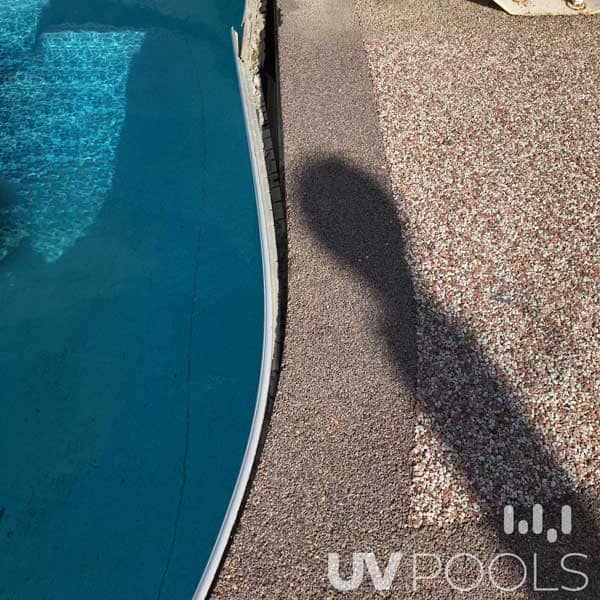
Credit: uvpools.com
Common Causes
Pool coping pulling away from concrete is a common issue many pool owners face. This problem happens for several reasons. Understanding these causes helps in preventing damage and costly repairs.
Improper Installation
Poor installation is a leading cause of pool coping issues. If the coping is not set correctly, it can loosen over time. Incorrect alignment or lack of proper support leads to gaps between the coping and concrete.
Concrete Shrinkage
Concrete shrinks as it dries and cures. This natural process can create small cracks and gaps near the pool edge. Shrinkage pulls the concrete away from the coping, causing separation.
Weather Effects
Weather changes affect pool materials daily. Heat causes expansion, and cold causes contraction. These cycles stress the bond between coping and concrete, making it weaken and pull apart.
Ground Movement
Soil shifts under the pool can move the concrete slab. Even minor ground movement causes cracks and separation. Pools built on unstable soil are more likely to have coping problems.
Poor Adhesive Use
Using the wrong adhesive or too little glue weakens the bond. Adhesive failure leads to coping detaching from concrete. Proper materials and application are essential for strong attachment.
Signs To Watch For
Pool coping pulling away from concrete is a common problem. It can cause damage if not noticed early. Knowing the signs helps you act fast. Catching issues early saves time and money. Here are the key signs to watch for.
Visible Gaps
Look for spaces between the coping and concrete. These gaps show the coping is separating. Gaps may grow larger over time. This can let dirt and water inside. Check your pool edge regularly for these gaps.
Loose Coping Stones
Test the coping stones by pressing gently. Loose stones can move or rock back and forth. Loose coping means the bond with concrete is weak. This can be dangerous and cause accidents. Fix loose stones quickly to avoid bigger problems.
Water Leakage
Water leaking near the pool edge is a warning. Leaks often happen where coping pulls away. Water can seep under the concrete and cause damage. You might notice wet spots or puddles. Watch for water that does not dry quickly.
Cracks In Concrete
Cracks near the coping show stress on the concrete. These cracks can grow and lead to bigger breaks. Cracks let water enter and weaken the pool structure. Check for small cracks and monitor their size. Early repair stops serious damage later.
Immediate Fixes
Pool coping pulling away from concrete needs quick attention. Small gaps can cause bigger problems if ignored. Immediate fixes help stop damage and keep your pool safe. These simple steps restore the look and function of your pool edge.
Cleaning The Gap
Start by removing dirt and debris from the gap. Use a brush or vacuum to clear loose particles. A clean surface helps sealants stick better. This step prevents water from getting trapped and causing more damage.
Applying Pool Sealant
Choose a pool-safe sealant made for concrete and stone. Apply the sealant inside the cleaned gap with a caulking gun. Smooth the sealant with a putty knife or your finger. This seals the gap and stops water from seeping in.
Reattaching Loose Stones
Check for any loose coping stones around the gap. Use a strong adhesive designed for outdoor use to reattach stones. Press the stones firmly and hold until the glue sets. This secures the stones and prevents further pulling away.

Credit: www.reddit.com
Long-term Solutions
Pool coping pulling away from concrete can cause serious damage over time. Fixing this issue well stops water leaks and keeps your pool safe. Long-term solutions focus on strong repairs that last. These methods help maintain the pool’s structure and appearance.
Replacing Adhesive
Old glue often fails and causes coping to pull away. Removing the worn adhesive is the first step. Use a strong, waterproof adhesive designed for pool use. This ensures the coping sticks firmly to the concrete. Proper application prevents future separation and protects your pool’s edge.
Reinstalling Coping
Sometimes coping needs to be taken off and reset. Carefully remove the loose coping pieces. Clean the area thoroughly before reinstalling. Set the coping back in place with fresh adhesive. Secure it well to avoid any gaps or movement. This method restores the pool’s smooth edge and stops water damage.
Addressing Ground Issues
Ground shifting can pull coping away from concrete. Check for soil erosion or settling around your pool. Fix these problems by adding soil or improving drainage. Stable ground keeps the coping in place. Preventing ground movement helps your pool stay strong and safe.
Preventive Tips
Pool coping pulling away from concrete is a common problem. It causes damage and looks bad. Preventive tips help stop this issue before it starts. Careful steps can keep your pool safe and neat for years.
Proper Installation Techniques
Correct installation is the first step to prevent pulling. Use strong, flexible adhesives made for pool areas. Ensure the concrete surface is clean and dry before applying. Align the coping stones tightly and evenly. Allow enough curing time to secure the bond well.
Regular Inspections
Check the pool edges often for signs of movement. Look for cracks, gaps, or loose stones. Early detection helps fix small problems quickly. Use a flashlight to spot hidden damage in shaded areas. Document any changes to track progress over time.
Seasonal Maintenance
Weather changes affect pool coping and concrete. Clean debris and dirt from the joints regularly. Seal cracks and gaps before winter or rainy seasons. Remove standing water near the pool to prevent erosion. Maintain proper drainage to keep the concrete dry.
When To Call A Professional
Pool coping pulling away from concrete is a sign of a problem. Sometimes, small fixes work. Other times, a professional is needed. Knowing when to call an expert saves time and money. It keeps your pool safe and looking good. Here are clear signs that show it’s time to get professional help.
Extensive Damage
Large cracks or wide gaps mean serious damage. If the coping is loose in many places, the problem is big. Small repairs will not last. A professional can assess and fix all damage properly. This prevents further problems and costly repairs.
Structural Concerns
Uneven or sinking coping suggests structural issues. These problems affect the pool’s stability. A professional can check the foundation and structure. They use the right tools and skills to ensure safety. Do not ignore signs of shifting or cracking concrete.
Persistent Gaps
Gaps that keep coming back need expert attention. Filling them yourself may work only for a short time. Persistent gaps can let water seep under coping. This causes more damage to concrete and pool edges. Professionals use durable solutions that last longer and protect your pool.

Credit: www.troublefreepool.com
Frequently Asked Questions
Why Is Pool Coping Pulling Away From Concrete?
Pool coping may pull away due to poor installation, ground movement, or weather damage.
How Can I Fix Pool Coping Separation?
Use waterproof adhesive or epoxy to reattach loose coping stones firmly.
What Causes Pool Coping To Crack Or Pull Apart?
Expansion, contraction, and water damage often cause coping to crack or separate.
Can Water Damage Cause Pool Coping Issues?
Yes, water can erode the bond between coping and concrete, leading to separation.
Is Pulling Pool Coping A Safety Risk?
Yes, loose coping can cause trips or injuries around the pool area.
When Should I Call A Professional For Coping Problems?
Call a pro if gaps are large, worsening, or if DIY fixes don’t work.
Conclusion
Pool coping pulling away from concrete can cause serious damage. Small gaps let water seep under the surface. This leads to cracks and loose stones. Fixing the problem early saves money and effort. Regular checks help catch issues before they grow.
Use proper materials and methods to keep your pool safe. A well-maintained pool looks better and lasts longer. Don’t ignore signs of damage or wear. Taking care now means enjoying your pool worry-free later. Simple steps make a big difference over time.