
When you’re working on plumbing projects, choosing the right sealing material can make all the difference. You’ve probably heard about pipe dope and Teflon tape, but which one is better for your pipes?
Picking the wrong option could lead to leaks, wasted time, and extra costs. You’ll discover the key differences between pipe dope and Teflon tape, so you can make the best choice for your plumbing needs and avoid common mistakes that many people overlook.
Keep reading to find out which one will save you headaches and keep your pipes secure.
Pipe Dope Basics
Understanding pipe dope is key when joining pipes securely. It helps seal threaded joints and prevents leaks. Knowing its basics aids in choosing the right product for your project.
Pipe dope differs from other sealing materials. It works by filling gaps in threads and creating a tight seal. This section explains what pipe dope is, its types, and when to use it.
What Is Pipe Dope
Pipe dope is a paste applied to pipe threads before joining. It lubricates threads, making assembly easier. It also seals joints to stop leaks from liquids or gases.
This paste sticks well and stays in place during pipe installation. It works on metal and plastic pipes. Pipe dope helps pipes fit tightly and safely.
Types Of Pipe Dope
There are several types of pipe dope for different uses. Some are oil-based, while others are silicone or synthetic. Each type suits specific pipe materials and conditions.
Oil-based pipe dopes are common for metal pipes. Silicone types work well with plastic or PVC pipes. Some formulas resist chemicals or high temperatures better than others.
When To Use Pipe Dope
Use pipe dope on threaded pipe connections to prevent leaks. It is ideal for metal pipes and gas lines. Pipe dope is best for joints that need strong, long-lasting seals.
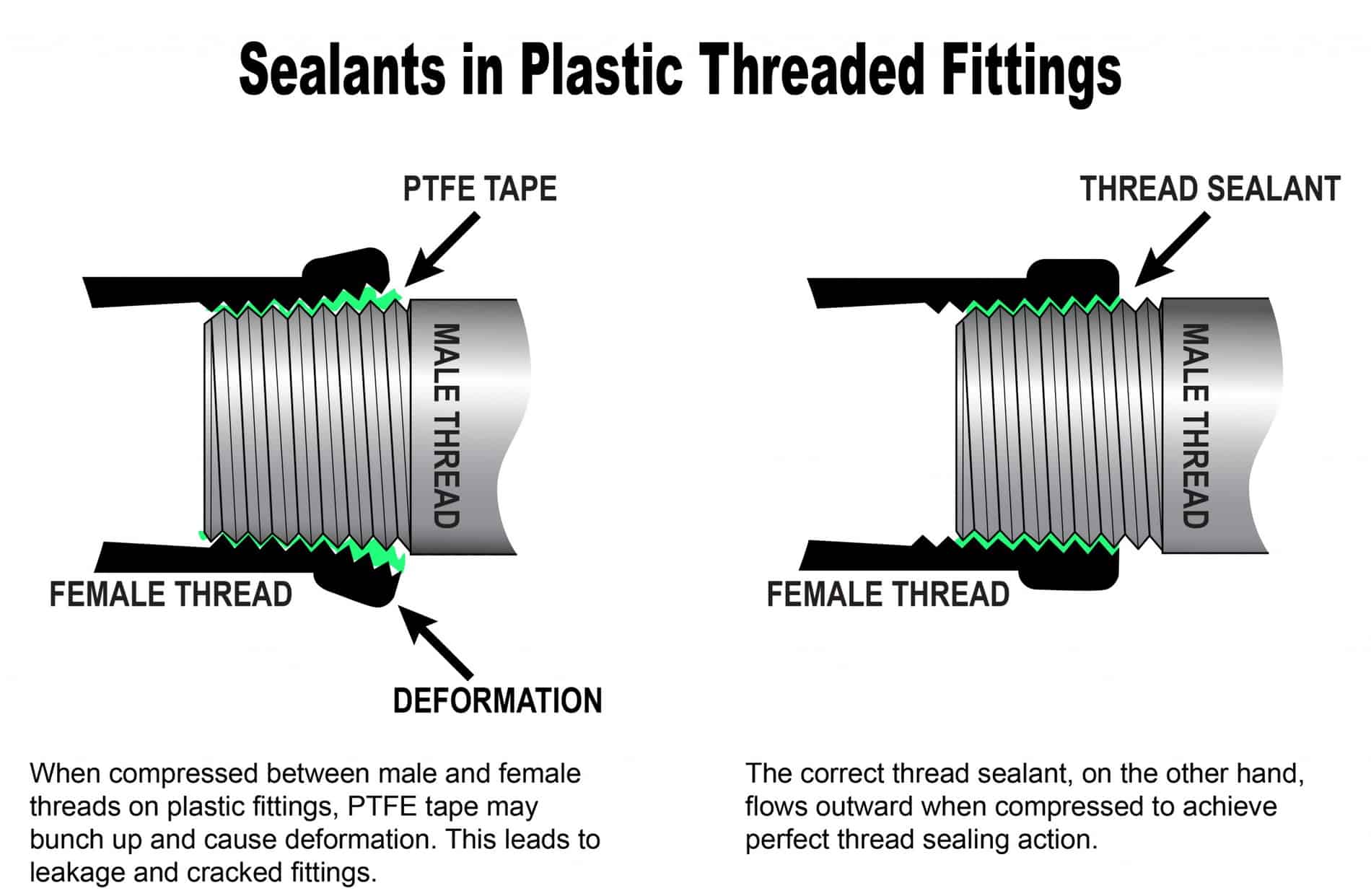
Avoid pipe dope on plastic threads unless the product says it is safe. It works well on fuel lines, water pipes, and compressed air lines. Always check the pipe material and application before use.
Teflon Tape Essentials
Teflon tape is a popular choice for sealing pipe threads. It helps stop leaks and keeps connections tight. This tape is easy to use and works well for many plumbing jobs.
Understanding the basics of Teflon tape helps choose the right type for each task. It comes in different varieties and suits various uses. Knowing these details ensures a strong, leak-free seal every time.
What Is Teflon Tape
Teflon tape is a thin, white film made of polytetrafluoroethylene (PTFE). It wraps around pipe threads to fill gaps. This prevents water or gas from leaking out. The tape is flexible and resists heat and chemicals.
It is also called plumber’s tape or thread seal tape. Most plumbers keep it handy for quick repairs. Its simple design makes sealing fast and clean.
Varieties Of Teflon Tape
Teflon tape comes in several types. The most common is the white tape, for water pipes. Yellow tape is thicker and suits gas lines. Pink tape is stronger and works for hot water pipes.
There are also green tapes for oxygen lines. Each type has a specific use to ensure safety. Choosing the right tape prevents damage and leaks.
Best Uses For Teflon Tape
Teflon tape works best on threaded pipe connections. It seals plumbing joints in bathrooms and kitchens. The tape is ideal for water, air, and gas lines.
It helps stop leaks in faucets, valves, and fittings. Using tape reduces the chance of corrosion on metal threads. It is not suitable for plastic pipes that need glue.
Performance Comparison
Performance matters most in pipe sealing products. Both pipe dope and Teflon tape serve to prevent leaks in threaded pipe joints. Their effectiveness depends on several factors. Let’s explore how they compare in sealing strength, ease of application, and durability over time.
Sealing Strength
Pipe dope offers a thick, paste-like seal that fills gaps well. It handles high-pressure systems without breaking down. Teflon tape creates a thin layer that lubricates threads and seals small spaces. It works best on low to medium pressure pipes. Pipe dope often provides a stronger, more reliable seal in tough conditions.
Ease Of Application
Teflon tape is simple to use and quick to apply. It wraps smoothly around threads and does not require drying time. Pipe dope needs careful brushing or spreading for even coverage. It can be messy and requires curing before use. For beginners or quick fixes, Teflon tape is more user-friendly.
Durability Over Time
Pipe dope resists cracking and shrinking as pipes expand and contract. It remains flexible and strong for years under stress. Teflon tape may degrade or tear with temperature changes. It can loosen over time in vibrating pipes. Pipe dope usually lasts longer in harsh environments.

Credit: www.youtube.com
Application Tips
Applying pipe dope and Teflon tape correctly ensures strong and leak-free pipe connections. Each material has its own method and best practices. Understanding the right way to use them saves time and prevents damage.
Applying Pipe Dope Correctly
Start by cleaning the pipe threads to remove dirt and oil. Use a brush or cloth for this task. Apply pipe dope evenly around the male threads. Avoid applying too much; a thin layer is enough. Spread the paste in one direction along the threads. Join the pipes and tighten them with a wrench. Wipe off any excess pipe dope that squeezes out. Let the joint dry if the instructions recommend it before pressure testing.
Using Teflon Tape Effectively
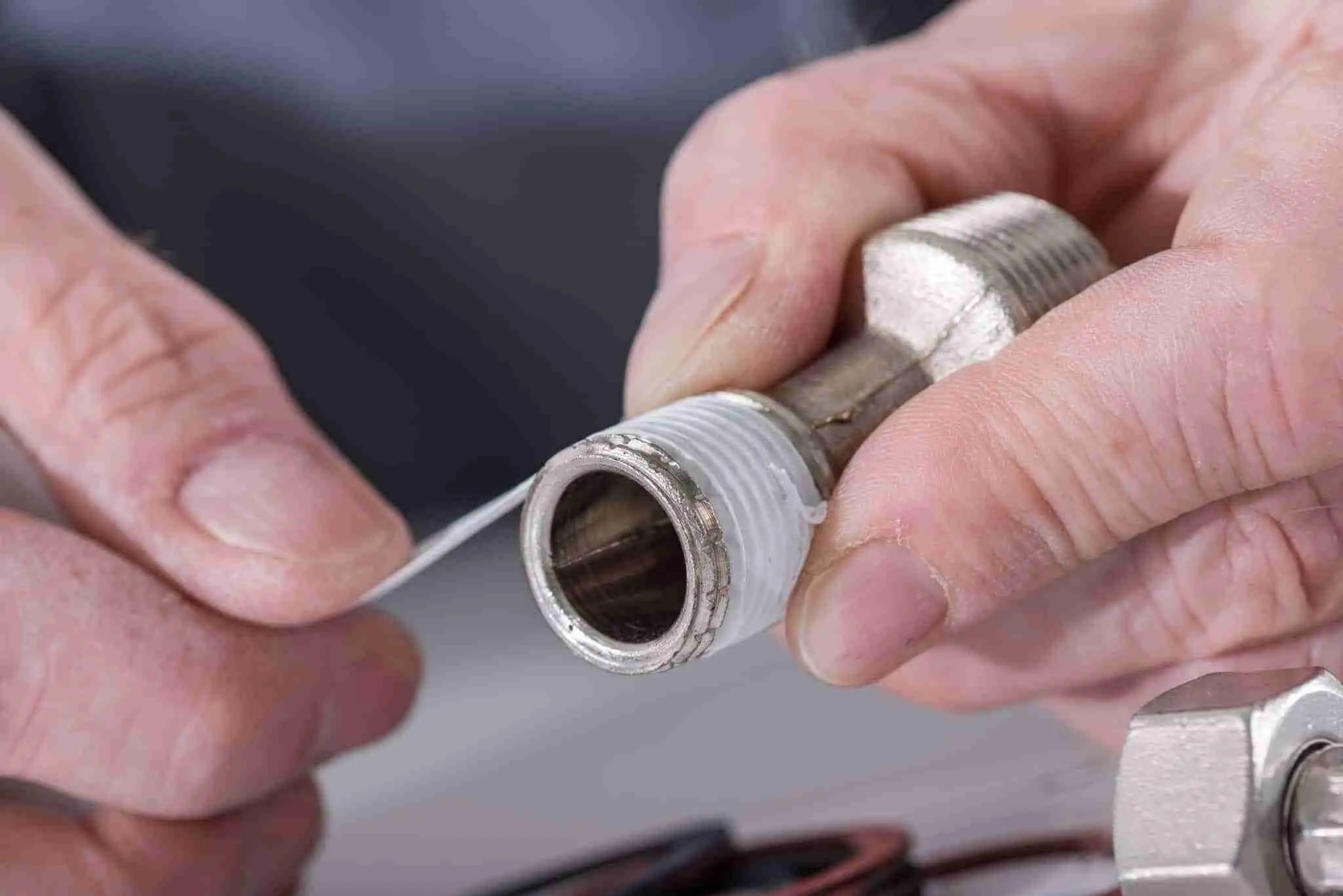
Clean the threads before wrapping the tape. Hold the tape tight and wrap it clockwise around the male threads. Overlap the tape by half its width with each turn. Use two to three layers for most pipes. Avoid wrapping tape on the first thread to prevent tape entering the pipe. Press the tape into the threads with your fingers for a better seal. Screw the pipes together while the tape is still in place. Do not over-tighten to avoid damaging the threads.
Common Mistakes To Avoid
Do not mix pipe dope and Teflon tape on the same threads. Avoid using too much pipe dope; it can cause leaks. Wrapping Teflon tape in the wrong direction makes it unravel. Using old or dirty tape reduces sealing effectiveness. Tightening pipes too much can crack fittings. Skipping cleaning steps leads to poor sealing. Always follow product instructions for the best results.
Compatibility With Materials
Choosing the right sealing material depends on the pipe type. Compatibility affects sealing strength and durability. Both pipe dope and Teflon tape work well with many materials. Some materials need special care to avoid damage or leaks.
Metal Pipes
Pipe dope works great on metal pipes. It fills gaps and seals threads tightly. Teflon tape also fits metal pipe threads well. It prevents metal parts from sticking together. Both options resist corrosion on metal surfaces.
Plastic Pipes
Teflon tape suits plastic pipes better than pipe dope. Pipe dope can be too harsh and crack plastic threads. Teflon tape protects delicate plastic threads during assembly. It also helps prevent leaks without damaging the pipe.
Specialty Materials
Specialty materials need careful selection of sealants. Some plastics or composites react poorly with pipe dope chemicals. Teflon tape often remains safe for these materials. Always check manufacturer recommendations before sealing specialty pipes.
Cost And Availability
Cost and availability play a big role in choosing between pipe dope and Teflon tape. Both products help seal pipe joints but differ in price and where you can buy them. Understanding these differences helps pick the right one for your needs and budget.
Price Comparison
Pipe dope usually costs more than Teflon tape. A small container of pipe dope can last for many uses but has a higher upfront price. Teflon tape is cheap and sold in rolls. Each roll covers many pipe joints, making it cost-effective for small jobs.
Where To Buy
Both pipe dope and Teflon tape are easy to find. Hardware stores and home improvement shops carry them. Online stores also offer many options. Teflon tape is more common in general stores, while pipe dope may be found in specialized plumbing sections.
Value For Money
Teflon tape offers good value for small or occasional jobs. It is simple to use and affordable. Pipe dope provides a stronger seal for heavy-duty or long-term projects. The higher price can be worth it for better durability and leak prevention.
Environmental And Safety Aspects
Choosing between pipe dope and Teflon tape involves more than just their sealing abilities. Understanding their environmental and safety aspects is important. These factors affect your health, the planet, and how you handle these materials.
Health Considerations
Pipe dope contains chemicals that can irritate your skin and eyes. Avoid direct contact and use gloves during application. Teflon tape is generally safer to handle. It does not release harmful fumes. Still, avoid inhaling dust from the tape.
Environmental Impact
Pipe dope often includes petroleum-based substances. These can harm soil and water if disposed of improperly. Teflon tape is made of polytetrafluoroethylene (PTFE). It breaks down very slowly in the environment. Neither option is fully eco-friendly, but Teflon tape leaves less chemical residue.
Storage And Disposal
Store pipe dope in a cool, dry place away from children. Keep the container tightly sealed to prevent spills. Dispose of unused pipe dope as hazardous waste according to local rules. Teflon tape should be kept dry and clean. It can be thrown away with regular trash but avoid burning it.
Credit: www.fluoramics.com
Choosing The Right Sealant
Choosing the right sealant is key for a strong and leak-free pipe connection. The choice between pipe dope and Teflon tape depends on several factors. Understanding these factors helps pick the best option for each job.
Each sealant has its strengths and suits different needs. Knowing what matters most in your project will guide you to the best choice.
Project Requirements
Consider the type of pipes and materials used. Pipe dope works well with metal pipes and high-pressure systems. Teflon tape fits better on smaller threads and lighter tasks. Also, check the temperature and chemical exposure. Some sealants resist heat and chemicals better than others.
Personal Preferences
Think about ease of use and cleanup. Teflon tape is quick to apply and clean. Pipe dope can be messier but offers a stronger seal. Some people prefer the feel of tape, while others like the paste texture. Your comfort with each product affects the final result.
Expert Recommendations
Plumbers and technicians often suggest pipe dope for heavy-duty jobs. Teflon tape is recommended for home repairs and simple plumbing. Experts advise reading product labels and following guidelines. Proper application is as important as the sealant choice.
Credit: urbanpiping.com
Frequently Asked Questions
What Is The Main Difference Between Pipe Dope And Teflon Tape?
Pipe dope is a paste that seals threads, while Teflon tape is a thin plastic film wrapped around threads.
Can Pipe Dope And Teflon Tape Be Used Together?
Yes, they can be combined for extra sealing, but usually, one is enough for most pipes.
Which Is Better For Sealing Metal Pipe Threads?
Pipe dope works better on metal threads because it fills gaps and hardens for a strong seal.
Is Teflon Tape Safe For Drinking Water Pipes?
Yes, food-grade Teflon tape is safe and commonly used on drinking water plumbing.
How Easy Is It To Remove Pipe Dope Versus Teflon Tape?
Teflon tape peels off quickly, while pipe dope may need scraping or solvents to clean.
Does Temperature Affect Pipe Dope Or Teflon Tape Performance?
Pipe dope generally handles high temperatures better than Teflon tape, which can melt or shrink.
Conclusion
Choosing between pipe dope and Teflon tape depends on your project needs. Pipe dope works well for metal pipes and high-pressure systems. Teflon tape suits smaller threads and easier application. Both prevent leaks but serve different purposes. Think about the pipe type and use before deciding.
Proper sealing keeps your plumbing safe and efficient. Use the right product to avoid future repairs. Simple steps lead to lasting results.