
Are you noticing strange dark spots or slimy patches in your pool? Those could be black algae, a stubborn problem many pool owners face.
Seeing pictures of black algae in your pool can help you identify it quickly and take action before it spreads. You’ll discover clear images of black algae and learn how to spot it in your own pool. Understanding what black algae looks like is the first step to keeping your water clean and safe.
Keep reading to protect your pool and enjoy crystal-clear swimming every day.
Black Algae Appearance
Black algae in pools can be tricky to spot at first. It often looks like dark spots or patches on pool surfaces. These spots can be stubborn and hard to remove. Knowing how black algae appears helps you find it early and treat it properly.
Common Visual Traits
Black algae usually appears as small, dark green or black spots. These spots often have a slimy or fuzzy texture. They can grow into larger patches over time. The edges of black algae patches look rough or uneven. It sticks tightly to pool walls and floors, unlike other algae.
Where It Grows
Black algae prefers shady, damp spots in your pool. It often grows near pool steps, corners, or grout lines. These places have less water flow, making it easier for algae to settle. Pools with rough surfaces or cracks are common breeding grounds. It can also hide under ladders or pool lights.
How It Differs From Other Algae
Black algae is tougher than green or yellow algae. It has a protective slimy coating that resists chlorine. This makes it harder to kill. Unlike green algae, black algae forms deep roots into pool surfaces. It does not spread quickly but clings tightly. Other algae float or brush off easily, but black algae does not.
Causes Of Black Algae
Black algae in pools is a common problem. It appears as dark spots or patches on pool surfaces. Understanding what causes black algae helps in preventing and treating it effectively.
Black algae is tough and sticks firmly to pool walls and floors. It grows quickly under certain conditions. These conditions create a perfect environment for black algae spores to thrive.
Pool Water Imbalance
Pool water that is not balanced encourages algae growth. Low chlorine levels allow algae to survive and spread. High pH or alkalinity creates a favorable environment for black algae. Regularly testing and adjusting pool water stops algae from growing.
Poor Circulation And Filtration
Water that does not move well causes algae to grow. Dead spots in the pool have weak circulation. These spots allow black algae to develop and hide. A dirty or clogged filter also reduces water flow. Good circulation and clean filters keep algae at bay.
Surface Damage And Roughness
Rough or damaged pool surfaces trap algae spores easily. Cracks, scratches, and porous materials provide hiding places. Black algae anchors itself strongly in these areas. Smooth and well-maintained surfaces reduce algae buildup. Regular pool surface care helps prevent black algae growth.
Health Risks And Pool Damage
Black algae in pools is more than an eyesore. It poses real health risks and can cause serious damage to pool surfaces. Understanding these dangers helps you protect your pool and your family’s health.
Potential Skin Irritations
Contact with black algae can irritate the skin. It may cause redness, itching, or rashes. Swimmers with sensitive skin face higher risks. The algae’s tough outer layer holds bacteria and harmful substances. These can lead to infections if they enter cuts or scrapes. Avoid swimming in pools with visible black algae. Keeping the pool clean reduces the chance of skin problems.
Structural Damage To Pool Surfaces
Black algae attaches firmly to pool walls and floors. Its roots penetrate porous surfaces like plaster or concrete. This causes surface roughness and pitting over time. The damage weakens the pool structure and shortens its lifespan. Removing algae becomes harder as it spreads deeper. Regular cleaning and proper chemical balance prevent severe damage. Ignoring black algae leads to costly repairs or resurfacing.
Detection Techniques
Detecting black algae in your pool early helps prevent bigger problems. Knowing how to spot it saves time and money. Use simple methods to find black algae before it spreads. Careful checks and tests give clear signs of its presence.
Visual Inspection Tips
Look for dark green or black spots on pool walls and floors. These spots often have a slimy texture and rough surface. Check shaded areas and corners where water flow is low. Use a flashlight to see spots better underwater. Black algae can form small clumps or patches. Notice any slippery or sticky feeling on pool surfaces. Early detection helps stop algae from growing fast.
Using Pool Testing Kits
Pool testing kits measure water chemistry and detect algae growth. Test pH, chlorine, and other chemical levels regularly. Low chlorine often allows black algae to grow. Some kits can detect algae-specific markers or bacteria. Follow the kit instructions carefully for accurate results. Keep a log of test results to track changes over time. Consistent testing helps catch algae before it spreads widely.
Prevention Strategies
Black algae in pools can cause stubborn stains and slippery surfaces. Prevention is better than scrubbing tough spots later. Keeping the pool clean and balanced stops black algae from growing. Use simple steps to keep your water clear and safe.
Regular Cleaning Routines
Clean your pool surfaces often. Brush walls and floors to remove algae spores. Vacuum the pool to clear debris. Empty skimmer baskets daily to improve water flow. Regular cleaning breaks algae growth cycles early.
Maintaining Water Chemistry
Check pool water pH and chlorine levels regularly. Keep pH between 7.2 and 7.6 for best results. Maintain chlorine at 1 to 3 ppm to kill algae cells. Balanced water stops algae from taking hold.
Upgrading Filtration Systems
Use a good filter to trap tiny algae particles. Clean or replace filter media as needed. Run the filter at least 8 hours daily. Better filtration removes algae food sources and spores.

Credit: www.youtube.com
Removal Methods
Removing black algae from your pool is important for clean, safe water. Black algae sticks tightly to pool surfaces. It needs strong and steady removal methods. These methods clear algae and stop it from coming back quickly. Here are effective ways to remove black algae.
Brushing And Scrubbing
Start by brushing the pool walls and floor. Use a stiff pool brush made for algae. Scrub the affected areas well. This breaks the algae’s tough outer layer. Scrubbing makes chemicals work better. Do this daily until the algae fades.
Chemical Treatments
Apply algaecides designed to kill black algae. Follow the instructions on the label carefully. These chemicals attack algae cells directly. They prevent algae from growing again. Repeat treatments may be needed for severe cases.
Shock Treatments
Use shock treatments to kill algae fast. Shocking means adding a large dose of chlorine. This destroys algae and bacteria in the water. Add shock at night for best results. Check chlorine levels before and after treatment. Repeat if algae remains visible.
Natural Alternatives
Natural alternatives offer safe ways to fight black algae in pools. These options avoid harsh chemicals. They help keep your pool clean and healthy. Using natural methods can protect swimmers and the environment. Let’s explore two popular choices.
Using Vinegar Or Baking Soda
Vinegar and baking soda are common household items. They can help remove black algae from pool surfaces. Vinegar’s acidity breaks down algae cells. Baking soda scrubs away stubborn patches. Apply vinegar directly on algae spots. Let it sit for 15 minutes. Then scrub with a brush and rinse.
For baking soda, sprinkle it on algae areas. Use a brush to scrub gently. Rinse well with water. Both methods are safe and eco-friendly. Repeat treatments may be needed for tough algae.
Beneficial Bacteria Products
Beneficial bacteria products introduce good bacteria into your pool. These bacteria compete with algae for nutrients. This reduces algae growth naturally. They also break down organic waste in the water. Use these products as directed on the label.
They improve water clarity and lower chemical needs. Beneficial bacteria work slowly but effectively. Regular use helps prevent black algae from returning. This method supports a balanced pool ecosystem.

Credit: www.aussiepools.com.au
Post-removal Care
Removing black algae from your pool is just the first step. Proper care after removal is key to keeping your pool clean and safe. Post-removal care helps stop algae from coming back. It also protects your pool surfaces and water quality. Follow simple routines to maintain a clear and healthy pool.
Ongoing Monitoring
Check your pool water every few days. Look closely for any signs of algae return. Watch for slimy or dark spots on pool walls and floor. Test water chemistry often. Keep chlorine and pH levels balanced. Early detection helps prevent algae from growing again.
Adjusting Pool Maintenance Schedule
Increase cleaning frequency after algae removal. Brush pool surfaces thoroughly at least twice a week. Vacuum the pool regularly to remove debris. Run your pool filter longer each day. Keep an eye on chemical levels and adjust as needed. A stricter schedule reduces the chance of black algae returning.
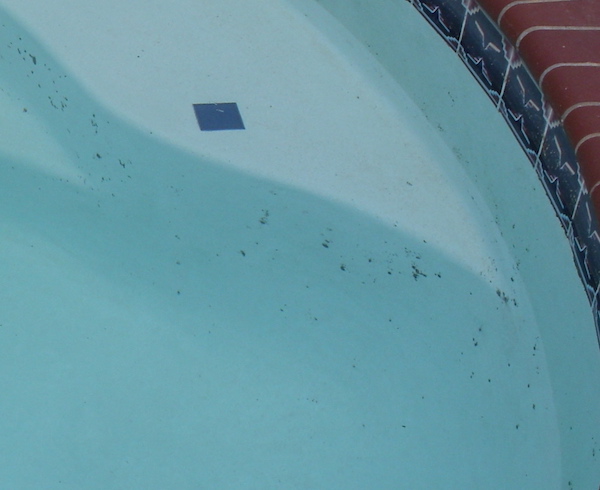
Credit: pinchapenny.com
Frequently Asked Questions
What Does Black Algae Look Like In A Pool?
Black algae appears as dark, slimy spots with rough texture on pool surfaces.
How Can Black Algae Harm My Swimming Pool?
It can damage pool surfaces and clog filters, making cleaning harder.
Why Does Black Algae Grow In Pools?
Poor circulation, low chlorine, and rough surfaces help black algae grow.
How Do I Identify Black Algae Versus Other Pool Algae?
Black algae has dark spots with tough, root-like structures under the surface.
Can Black Algae Be Removed Without Draining The Pool?
Yes, using strong chlorine treatments and scrubbing can remove black algae.
How To Prevent Black Algae From Returning In Pools?
Keep water balanced, clean filters, and brush pool walls regularly.
Conclusion
Black algae in pools look dark and stubborn. They grow in hard-to-reach places. Cleaning them quickly keeps water safe and clear. Regular brushing and proper chemicals help remove them. Watch your pool often to spot early signs. Clean water means fun and health for everyone.
Don’t let black algae take over your pool space. Stay consistent with pool care to avoid problems. Clear water feels better and looks inviting. Keep your pool ready for a swim anytime.