
Are you planning a project that involves sand but aren’t sure which type to choose? Whether you’re building a patio, laying bricks, or creating a safe play area for your kids, the right sand can make all the difference.
Paver sand and play sand might look similar, but they serve very different purposes. Choosing the wrong one could lead to frustration, extra costs, or even safety issues. Keep reading to discover the key differences between paver sand and play sand, so you can pick the perfect one for your needs and get your project just right.
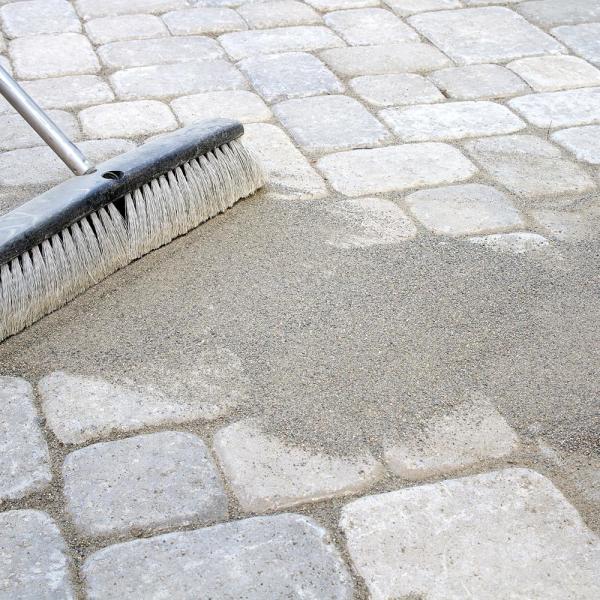
Credit: jsbrickcorporation.com
Types Of Sand
Sand comes in many types, each made for specific uses. Choosing the right sand matters a lot. It affects how well a project holds up and looks. Two common types are paver sand and play sand. Both have clear differences in texture and purpose.
What Is Paver Sand
Paver sand is coarse and sharp. It helps lock pavers in place. The grains fit tightly to stop movement. It drains water well, preventing damage. This sand is best for patios, walkways, and driveways. It creates a strong, stable base.
What Is Play Sand
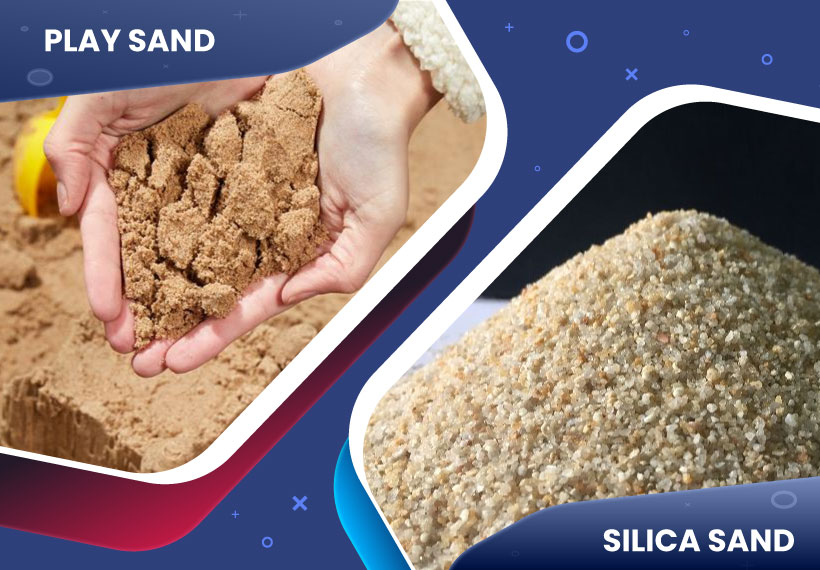
Play sand is soft and fine. It feels smooth to touch. This sand is safe for children to play in. It is clean and free from harmful materials. Often used in sandboxes and playgrounds. Play sand is easy to mold and shape.
Key Differences
Understanding the key differences between paver sand and play sand helps you choose the right type for your project. Both sands serve different purposes and have unique features. Knowing these differences ensures better results and safety.
Texture And Composition
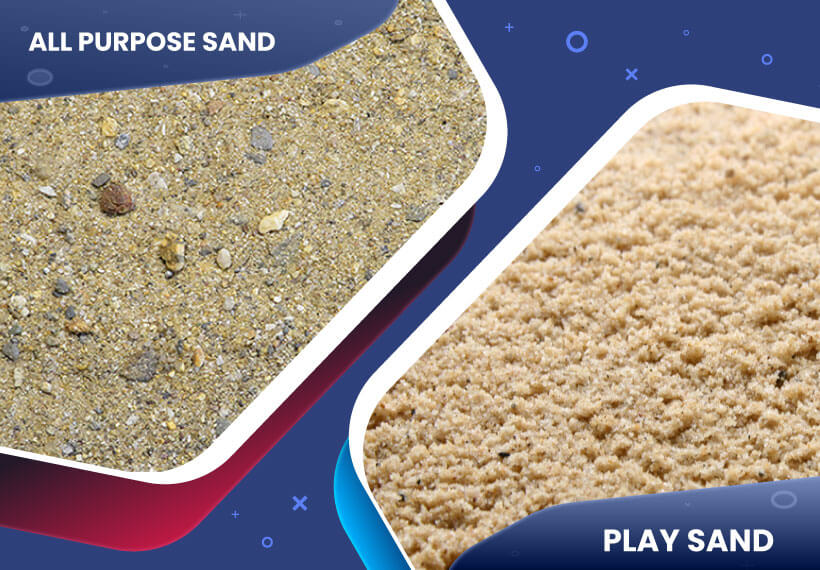
Paver sand is coarse and angular. This texture helps it lock pavers together. It is made from crushed rock. Play sand is smooth and fine. It has rounded grains made from natural sand. This makes it soft and easy to dig.
Color And Appearance
Paver sand usually comes in neutral colors like tan or gray. These colors blend well with stones and bricks. Play sand often has a lighter color, like white or light beige. It looks clean and bright, perfect for playgrounds.
Safety And Cleanliness
Play sand is specially cleaned to remove dust and harmful materials. It is safe for children to play in. Paver sand may contain small stones and debris. It is not safe for direct skin contact or play areas. Always choose sand based on safety needs.
Best Uses For Paver Sand
Paver sand is a special type of sand made for use with paving stones. It helps keep stones in place and prevents shifting. This sand is different from play sand because it is coarser and stronger. Paver sand has many practical uses around your home or garden. It adds stability and improves the look of paved areas.
Paver Joint Filling
Paver sand is perfect for filling the gaps between paving stones. It locks the stones together tightly. This stops them from moving or becoming loose. The sand also helps prevent weeds from growing in the joints. It improves drainage by allowing water to flow through easily. Using paver sand in joints makes paved surfaces last longer.
Driveways And Patios
Driveways and patios benefit from paver sand under the stones. It creates a strong base that supports heavy weight. The sand helps spread the load evenly. This reduces cracks and damage to the surface. Paver sand also keeps the paving stones level and steady. It makes outdoor areas safer and more attractive.
Landscaping Applications
Landscapers use paver sand for many projects. It works well under walkways and garden paths. The sand improves stability and prevents stones from sinking. It also helps with proper drainage in landscaped areas. Paver sand can be used to create clean edges around flower beds. It adds a neat and finished look to outdoor spaces.
Credit: shreeramkaolin.com
Best Uses For Play Sand
Play sand is a soft, clean type of sand made for fun and safe use. It has many uses in homes and schools. It feels smooth and is easy to shape. Play sand is different from paver sand, which is rough and used for building. Below are the best uses for play sand that make it a popular choice for families.
Children’s Play Areas
Play sand is perfect for children’s play areas. It is soft and safe to touch. Kids enjoy digging, building, and creating with it. The sand does not have sharp pieces, so it reduces the risk of cuts. It is also easy to clean and does not get too hot in the sun. This makes play sand a great option for outdoor and indoor play zones.
Sandbox Filling
Many parents choose play sand for filling sandboxes. It stays soft and fluffy, making it easy for kids to play. It does not contain harmful substances, so it is safe if children put their hands in their mouths. Play sand also drains water well, preventing mold and bacteria growth. This keeps the sandbox clean and healthy for long use.
Garden And Sensory Play
Play sand works well in gardens and sensory play setups. It adds texture and interest to garden paths and pots. Children can explore different feelings and shapes using play sand. It helps develop fine motor skills and creativity. Sensory play with sand encourages children to learn through touch and movement.
Installation Tips
Choosing the right sand is only part of the project. Correct installation makes a big difference. Both paver sand and play sand need specific steps for best results. Follow these tips to install them properly and keep your area safe and stable.
Preparing The Area
Clear the space of debris, rocks, and plants. Level the ground to create a flat surface. For paver sand, compact the soil tightly. This prevents sinking or shifting later. For play sand, ensure good drainage to avoid water pooling.
Proper Sand Application
Spread sand evenly across the area. Paver sand needs a layer about one inch thick. Use a broom to fill gaps between pavers. Play sand should be deeper, around six inches, for safety and comfort. Avoid mixing the sands to keep their properties intact.
Maintenance And Upkeep
Check the sand regularly for damage or displacement. Add more paver sand to joints if needed. Rake play sand to keep it loose and clean. Remove debris and wet spots to prevent mold and insects. Proper care extends the life of your installation.
Cost And Availability
Cost and availability play a key role in choosing between paver sand and play sand. Both types serve different purposes, but their prices and how easy they are to find vary. Knowing these differences helps you make a smart choice.
Price Comparison
Paver sand usually costs more than play sand. This is because paver sand is specially processed to be coarse and strong. Play sand is softer and less expensive. It is designed mainly for children’s play areas. The price difference depends on quality and location.
Where To Buy
Both sands are available at home improvement stores and garden centers. Paver sand might also be found at specialized landscaping suppliers. Play sand often sells in toy stores and larger supermarkets. Buying locally saves shipping costs and time.
Bulk Vs Small Quantity
Buying sand in bulk lowers the price per unit. Large bags or truckloads of paver sand are common for big projects. Play sand often comes in smaller bags for home or playground use. Choose the amount based on your project size to avoid waste.
Environmental And Safety Considerations
Choosing between paver sand and play sand involves thinking about the environment and safety. Both types of sand have different effects on health and nature. Understanding these differences helps make the best choice for your project or play area.
Non-toxic Properties
Play sand is usually made to be safe for children. It contains no harmful chemicals or toxins. This makes it a better choice for playgrounds or sandboxes. Paver sand may not always meet the same safety standards. It often contains materials not meant for direct contact with skin.
Dust And Allergens
Dust from paver sand can cause breathing problems. It often has fine particles that irritate the lungs and eyes. Play sand is often washed to reduce dust and allergens. This makes it safer for sensitive individuals, especially kids. Reducing dust exposure is important for a healthy environment.
Eco-friendly Options
Some play sands come from natural, renewable sources. They break down easily and do not harm plants or animals. Paver sand is often mined in ways that can damage the environment. Choosing eco-friendly sand supports nature and reduces waste. Always check labels to find sustainable sand options.
Credit: shreeramkaolin.com
Choosing The Right Sand
Choosing the right sand is key for any outdoor project. Different sands serve different purposes. The choice affects the strength and appearance of your work. Knowing what each type offers helps you decide better.
Paver sand and play sand are common options. Each has unique features suited for specific tasks. Understanding these will guide you to the best fit for your needs.
Assessing Your Project Needs
Think about what your project needs. Paver sand works well for patios and walkways. It locks bricks firmly in place. Play sand suits playgrounds and areas for children. It is soft and safe to touch. Choose sand that matches your project’s purpose.
Durability Requirements
Paver sand is coarse and strong. It resists erosion and keeps structures stable. Play sand is finer and less compact. It wears down more easily over time. For long-lasting results, pick sand with higher durability.
Budget And Preferences
Price varies between paver sand and play sand. Paver sand can be a bit more costly. Play sand is often cheaper but less durable. Consider how much you want to spend. Also, think about the look and feel you want. Balance cost with quality for the best choice.
Frequently Asked Questions
What Is The Main Difference Between Paver Sand And Play Sand?
Paver sand is coarse and used for construction, while play sand is fine and safe for children’s play areas.
Can I Use Play Sand For Laying Pavers?
Play sand is too fine and won’t provide strong support for pavers. Paver sand is better.
Is Paver Sand Safe For Children’s Playgrounds?
Paver sand is not safe for play areas because it may contain sharp particles and dust.
What Makes Play Sand Suitable For Kids?
Play sand is clean, soft, and free from harmful materials, making it safe for children.
How Does Paver Sand Help In Paving Projects?
Paver sand locks pavers in place and prevents shifting by filling gaps tightly.
Can Play Sand Be Used In Landscaping?
Play sand is usually not ideal for landscaping due to its fine texture and lack of stability.
Conclusion
Choosing between paver sand and play sand depends on your project needs. Paver sand holds bricks and stones firmly in place. Play sand is soft and safe for children to use. Each sand type serves a clear purpose outdoors or in play areas.
Use the right sand to get the best results. This choice helps your space stay neat and functional. Remember, good materials make any project easier and longer-lasting.