
When it comes to choosing the right lighting for your space, you might have come across two popular options: PAR20 and PAR30 bulbs. But which one is truly best for your needs?
Understanding the difference between these two can save you money, improve your lighting quality, and make your space look just right. You’ll discover exactly what sets PAR20 and PAR30 apart, helping you make a confident choice without any confusion. Keep reading to find out which bulb fits your lighting goals perfectly.
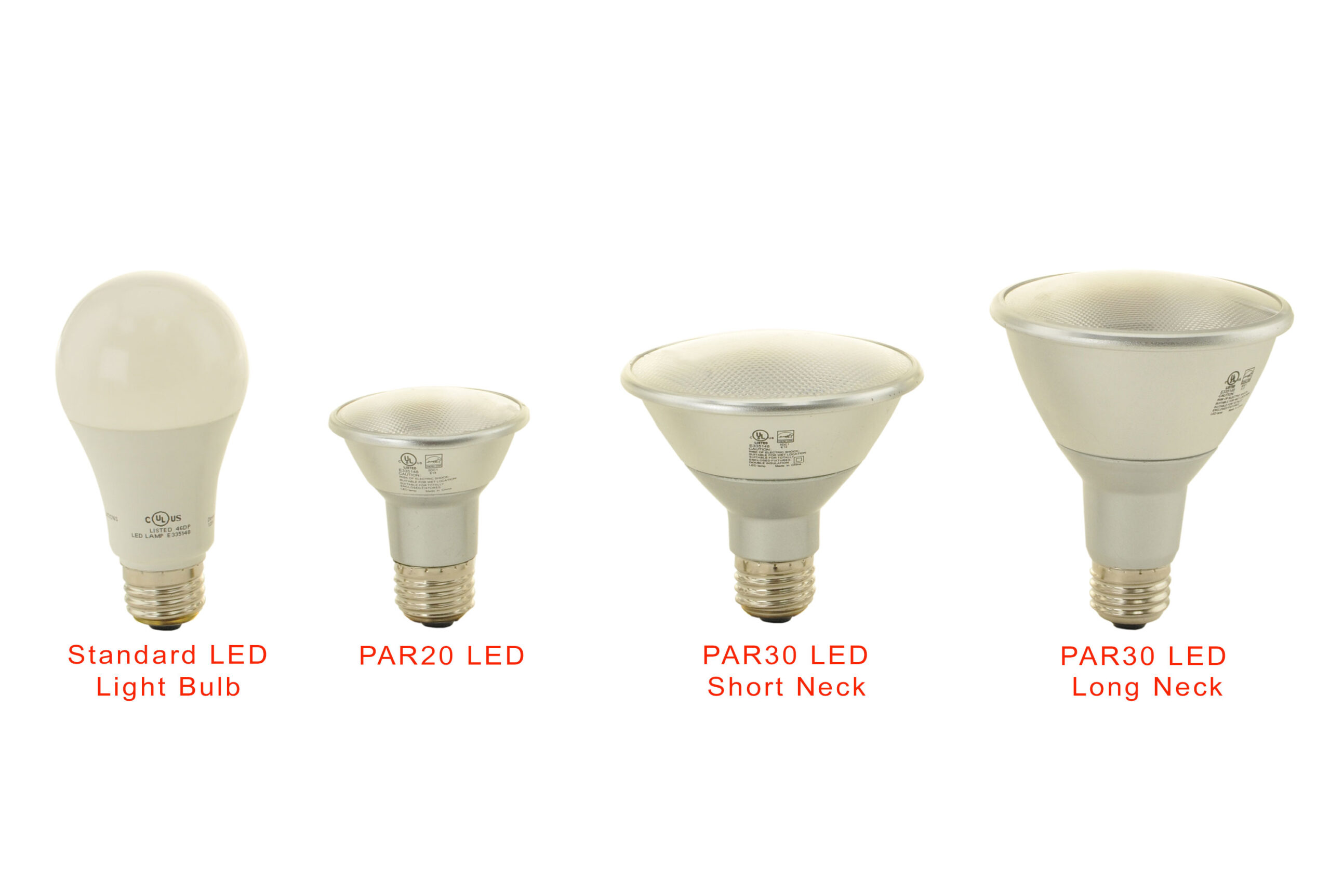
Credit: freestylesystems.com
Par20 And Par30 Basics
Understanding the basics of Par20 and Par30 bulbs helps in choosing the right light. Both are popular choices for homes and businesses. They differ in size and use. Knowing these differences makes shopping easier and saves time.
Size And Shape Differences
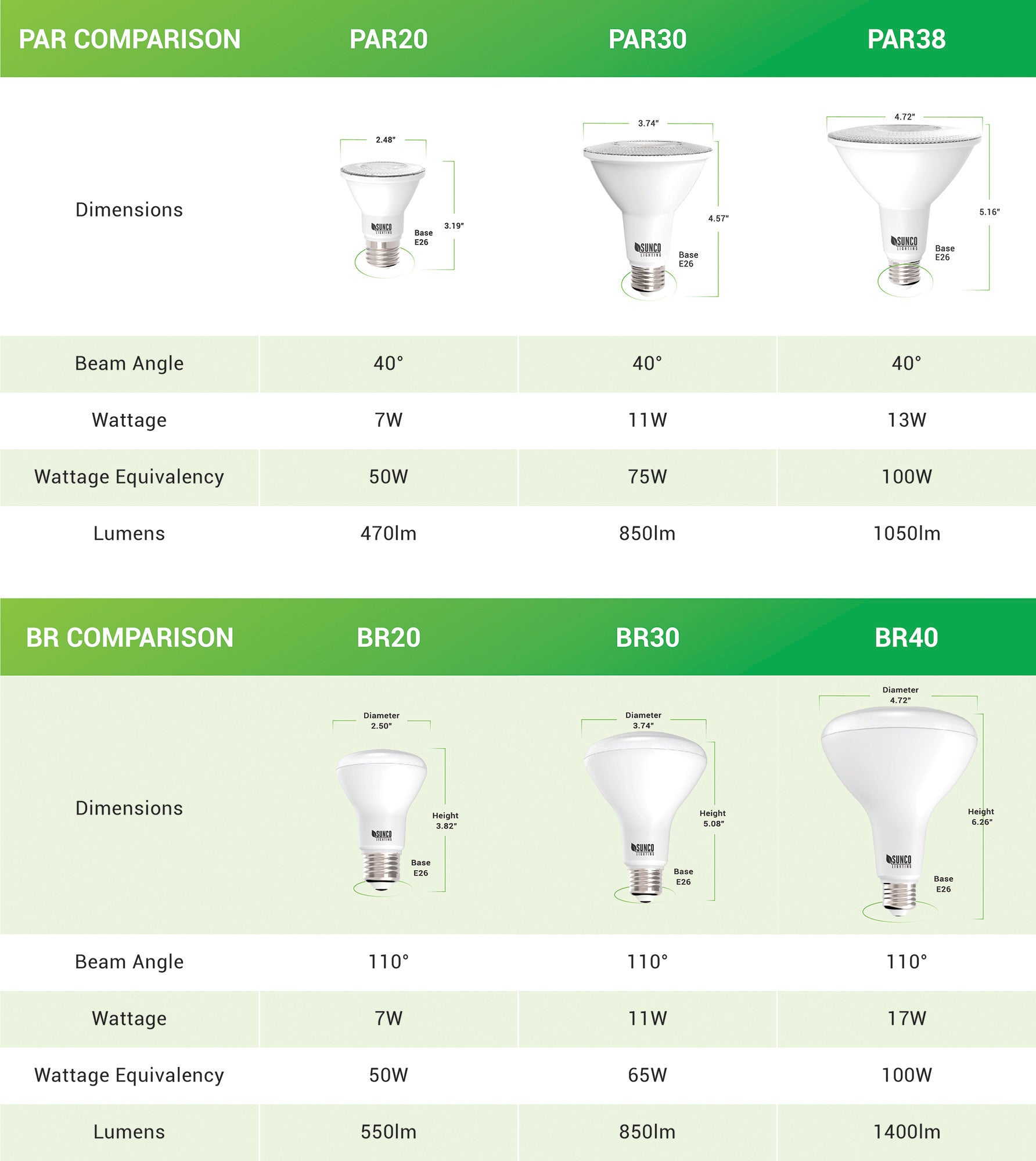
Par20 bulbs are smaller, about 2.5 inches wide. Par30 bulbs are bigger, around 3.75 inches in diameter. Both have a similar shape, round with a flat front. The size affects how much light they spread. Smaller Par20 bulbs focus light on a narrow spot. Larger Par30 bulbs cover a wider area.
Common Uses
Par20 bulbs work well for accent lighting and small spaces. They fit into smaller fixtures and highlight objects. Par30 bulbs suit larger areas like living rooms or retail stores. They offer broad light coverage, making spaces bright. Both types fit standard sockets, but their uses vary by size and brightness needs.
Light Output And Beam Angle
Light output and beam angle define how well a light bulb performs. These factors affect how bright a space feels and how light spreads across it. Choosing between Par20 and Par30 bulbs depends on these two key features.
Brightness Levels
Par30 bulbs usually give off more light than Par20 bulbs. They have higher wattage and can cover bigger areas. Par20 bulbs are smaller and fit well in tight spaces. Their brightness suits small rooms or focused lighting needs.
Think about the size of the room and how bright it should be. For brighter light, Par30 bulbs work better. For softer light, Par20 bulbs offer a good option.
Beam Spread Variations
Beam angle shows how wide the light spreads from the bulb. Par20 bulbs often have a narrower beam angle. This creates a focused light spot, perfect for highlighting objects.
Par30 bulbs have a wider beam spread. They light up larger areas evenly. This makes them ideal for general room lighting or outdoor spaces.
Choose a beam angle based on what you want to light. Narrow beams for detail. Wide beams for broad coverage.
Energy Efficiency And Lifespan
Energy efficiency and lifespan are key factors when choosing between Par20 and Par30 bulbs. These aspects affect your electricity bill and how often you replace bulbs. Both bulbs offer different benefits in power use and durability. Understanding these differences helps pick the right bulb for your needs.
Power Consumption
Par20 bulbs usually consume less power than Par30 bulbs. They are smaller and designed for lower wattage. This means they use less electricity, which saves money over time. Par30 bulbs have higher wattage and use more power. They give brighter light but cost more in energy. Choosing the right bulb depends on how much light you need and your power goals.
Durability And Longevity
Both Par20 and Par30 bulbs last a long time. Par20 bulbs often have a lifespan around 15,000 hours. Par30 bulbs can last about 10,000 to 15,000 hours depending on the type. LED versions of both bulbs last longer than traditional ones. They resist heat better and break less easily. This means fewer replacements and less waste. Durability is important for hard-to-reach places or outdoor use.
Credit: sunco.com
Installation And Compatibility
Understanding installation and compatibility is key when choosing between Par20 and Par30 bulbs. These bulbs differ in size and design, which affects how they fit in fixtures. Knowing the requirements helps avoid mistakes and ensures smooth setup.
Fixture Requirements
Par20 bulbs are smaller and fit into compact fixtures. They suit recessed and track lighting that needs a narrow beam. Par30 bulbs are larger and need more space inside the fixture. They work well for flood lighting or open fixtures that allow bigger bulbs.
Choosing the right fixture prevents overheating and poor light spread. Check the fixture’s size and type before buying bulbs. Using the wrong size can cause damage or reduce light quality.
Socket Types
Both Par20 and Par30 bulbs commonly use the E26 socket type. This socket is standard in many homes and easy to find. Some bulbs may use GU10 sockets, mostly in specialized fixtures. Always verify the socket type before installation.
Matching the bulb base to the socket ensures a secure fit. It also prevents electrical problems and flickering. Socket type matters as much as bulb size for compatibility.
Cost Comparison
Comparing the costs of PAR20 and PAR30 bulbs helps you choose the best option for your needs. Both have different price points and savings over time. Knowing these differences can save money and improve your lighting setup.
Initial Investment
PAR20 bulbs usually cost less upfront. They are smaller and use less material. PAR30 bulbs tend to be pricier because of their larger size. You pay more at the start for PAR30 bulbs. The price difference may affect your choice depending on your budget.
Long-term Savings
PAR20 bulbs often consume less energy, lowering electric bills. Their smaller size means they use less power. PAR30 bulbs use more power but last longer in many cases. Longer life reduces replacement frequency and cost. Over time, savings from energy and durability balance out between PAR20 and PAR30 bulbs.
Best Applications For Each
Choosing between Par20 and Par30 bulbs depends on where you plan to use them. Each type fits specific needs better. Understanding their best uses helps you pick the right bulb for your space.
Indoor Uses
Par20 bulbs are ideal for indoor lighting in small to medium rooms. They offer focused light perfect for task lighting. Use them in kitchens, bathrooms, or hallways to highlight specific areas. Their compact size fits well in recessed fixtures and track lighting.
Par30 bulbs suit larger rooms and open spaces. They spread light over a wider area. Use them in living rooms, dining areas, or large offices. Their stronger light output makes spaces feel brighter and more welcoming.
Outdoor Uses
Par20 bulbs work well for outdoor accent lighting. Use them in garden spotlights or porch lights to highlight plants or architectural features. Their focused beam creates sharp, clear highlights.
Par30 bulbs are better for general outdoor lighting. They cover bigger areas like patios, driveways, or backyards. Their wide beam and higher brightness improve safety and visibility at night.
Choosing The Right Bulb
Choosing the right bulb for your space is important for both lighting quality and energy use. Par20 and Par30 bulbs have different sizes and light spreads. Picking the correct one affects how well your area is lit and how much power you use. Understanding the differences helps you make the best choice.
Factors To Consider
First, check the size of your light fixture. Par20 bulbs are smaller and fit into compact spaces. Par30 bulbs are larger and provide wider light spread. Think about the area you want to light. Small rooms or focused lighting work well with Par20. Larger rooms or outdoor spots suit Par30 bulbs better.
Next, look at brightness. Par30 bulbs usually produce more light. This helps when you need strong illumination. Consider energy use too. Both bulbs come in LED versions that save power. Choose the bulb that meets your light and energy needs.
Common Mistakes To Avoid
One common mistake is buying a bulb without measuring the fixture size. A Par30 bulb may not fit into a space made for Par20. Another error is ignoring the beam angle. A narrow beam may leave some areas dark. A wide beam might cause glare if placed too close.
Avoid choosing bulbs only by price. Cheaper bulbs might have lower quality or shorter life. Also, do not forget to check the bulb’s color temperature. Warm light is cozy, cool light is bright and clear. Match the bulb color to the room’s use and mood.

Credit: sunco.com
Frequently Asked Questions
What Is The Main Difference Between Par20 And Par30 Bulbs?
PAR20 bulbs are smaller and fit compact spaces, while PAR30 bulbs are larger and brighter.
Which Bulb Is Better For Indoor Lighting, Par20 Or Par30?
PAR20 bulbs work well for small indoor areas; PAR30 bulbs suit bigger rooms.
Can Par20 And Par30 Bulbs Use The Same Fixtures?
No, PAR20 and PAR30 bulbs usually need different sized fixtures.
How Do Par20 And Par30 Bulbs Differ In Brightness?
PAR30 bulbs generally provide more light than PAR20 bulbs due to size.
Are Par20 Bulbs More Energy-efficient Than Par30 Bulbs?
Energy efficiency depends on bulb type, not just size; both can be efficient.
Which Bulb Lasts Longer, Par20 Or Par30?
Lifespan depends on brand and use, not just on PAR20 or PAR30 size.
Conclusion
Choosing between Par20 and Par30 depends on your lighting needs. Par20 bulbs are smaller and fit tight spaces well. Par30 bulbs offer brighter light and cover more area. Consider where you will use the light and how much brightness you need.
Both have unique benefits for different situations. Think about size, brightness, and energy use before deciding. This way, you get the right light for your home or project. Simple choices lead to better lighting results.