
Are you struggling to choose the right wall texture for your home or project? You’ve probably come across terms like “Orange Peel” and “Knockdown,” but what do they really mean?
Understanding the difference between these two popular finishes can save you time, money, and frustration. You’ll discover how each texture looks, feels, and performs—helping you make a confident decision that suits your style and needs. Keep reading to find out which one is perfect for your space!

Credit: thepaintfactorypdx.com
Orange Peel Texture
Orange peel texture is a popular choice for walls and ceilings. It has a subtle, bumpy surface that looks like the skin of an orange. This texture adds depth and hides minor wall flaws. Many homeowners and builders prefer it for its simple yet effective finish.
Appearance And Characteristics
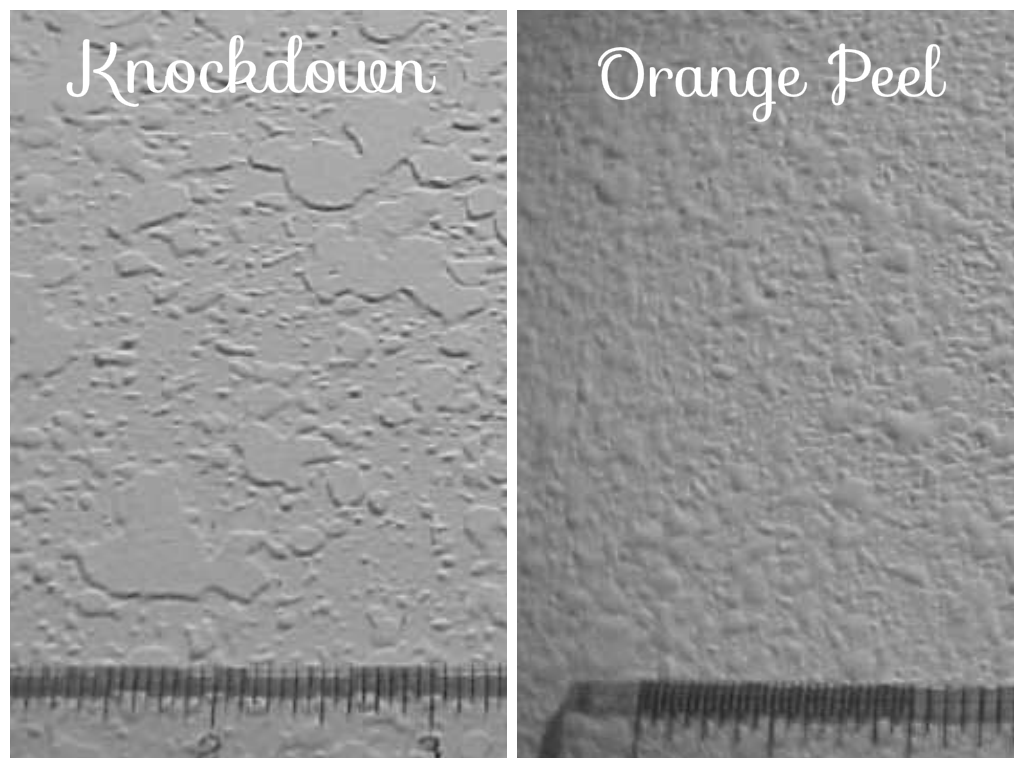
Orange peel texture has small, rounded bumps. The surface looks soft and dimpled. It is less rough than other textures but not flat. Light hits the bumps and creates gentle shadows. This makes walls look lively and interesting.
Application Process
The process starts with a smooth wall. A spray gun or hopper gun applies a thin layer of joint compound. The material is sprayed in small droplets. Then, it dries to form the textured surface. Adjusting the spray settings changes the bump size.
Common Uses
Orange peel is common in homes and offices. It works well on drywall and plaster. People use it on ceilings and walls. It helps hide small dents, cracks, and imperfections. It also adds a soft, decorative touch.
Advantages And Disadvantages
Orange peel texture hides wall flaws well. It is easy to clean and maintain. The texture is less harsh than rough finishes. Painting over it is simple and quick. On the downside, it can be tricky to repair. Matching the texture exactly may take practice.

Credit: www.palaisdelabiere.fr
Knockdown Texture
Knockdown texture is a popular wall and ceiling finish. It offers a smooth, artistic look with a subtle pattern. This texture hides imperfections and adds character to any room. It is less bumpy than orange peel texture but still provides visual interest.
Visual Features
Knockdown texture looks like flattened, irregular patches. These patches create a soft, mottled effect. It has a gentle, random pattern that is easy on the eyes. The texture is less shiny than smooth walls. It adds depth without being too busy.
How It&39;s Applied
First, drywall mud is sprayed onto the wall or ceiling. Next, a wide drywall knife or trowel gently flattens the raised areas. This process is called “knocking down.” The result is a soft, uneven surface. It takes less time to dry than some other textures.
Popular Applications
Knockdown texture works well in living rooms and bedrooms. It is common in hallways and ceilings too. Builders use it in new homes and renovations. It fits both modern and traditional interior styles. It helps hide wall flaws and repairs.
Pros And Cons
Pros:
- Hides wall imperfections effectively.
- Creates a smooth yet interesting surface.
- Easy to clean and maintain.
- Dries relatively fast.
Cons:
- Application requires some skill for best results.
- Not as subtle as a completely smooth wall.
- May be harder to paint evenly.
- Texture can collect dust if not cleaned.
Comparing Orange Peel And Knockdown
Comparing orange peel and knockdown textures helps you choose the best wall finish. Both textures add style and hide wall flaws. Understanding their features guides your decision for your space.
Durability And Maintenance
Orange peel texture is tough and hides small dings well. It resists dirt and is easy to clean. Knockdown texture is also strong but has a flatter surface. It may show marks more than orange peel. Both need simple cleaning with a damp cloth.
Cost Differences
Orange peel is cheaper to apply. It uses less material and takes less time. Knockdown costs more because it needs extra steps. The finishing spray and flattening add to labor costs. Budget affects which texture suits your project best.
Suitability For Different Spaces
Orange peel fits well in high-traffic areas like hallways and kitchens. Its texture hides wear and tear. Knockdown suits living rooms and bedrooms. It creates a soft, elegant look. Consider room use and style before choosing.
Aesthetic Impact
Orange peel has a bumpy, consistent pattern. It gives walls a casual, modern feel. Knockdown has a smoother, patchy look. It adds depth and character to walls. Both textures enhance room appearance in unique ways.
Choosing The Right Texture
Choosing the right texture for your walls affects the room’s look and feel. Orange peel and knockdown are popular options. Each creates a unique surface that changes how light and shadow play on the walls. Picking the best texture depends on several factors like style, room use, and budget.
Factors To Consider
Think about the room size and lighting. Orange peel has a fine, bumpy finish that hides small wall flaws well. It suits most rooms and looks modern. Knockdown has a flatter, irregular pattern. It adds more character and hides bigger imperfections.
Consider maintenance too. Orange peel is easier to clean. Knockdown may collect more dust and require more care. Also, check your budget. Orange peel usually costs less to apply than knockdown.
Expert Tips
Experts suggest testing samples before deciding. Paint a small wall area with each texture. Watch how it looks in different light. Ask yourself which style fits your home’s mood better.
Think about future changes. Orange peel is simpler to repaint or fix. Knockdown needs skill to repair without losing texture. Choose the one that matches your comfort level with upkeep.
Diy Vs Professional Application
Orange peel is easier for beginners. You can use spray equipment or rollers with some practice. Knockdown needs more skill and tools to get the right finish.
Hiring a professional ensures a neat, even texture. It reduces mistakes and saves time. For large areas, pros offer better results. For small projects, DIY may work if you follow instructions carefully.
Maintenance And Repair
Maintaining and repairing Orange Peel and Knockdown textures keeps walls looking fresh. Both textures need care to avoid damage and stains. Regular upkeep helps extend the life of your wall finish.
Cleaning Tips
Use a soft brush or sponge to clean textured walls. Avoid harsh scrubbing to prevent damage. Mild soap mixed with water works well for stains. Rinse with clean water and let dry fully.
Touch-up Techniques
Small cracks or chips can be fixed with joint compound. Apply it gently with a putty knife. Match the texture by dabbing or spraying before it dries. Sand lightly after drying for smooth blending.
When To Reapply Texture
Reapply texture if damage is widespread or deep. Signs include peeling, large cracks, or uneven surfaces. Choose the same texture style for consistency. Paint over the new texture after it dries fully.
Credit: simplybeautifulbyangela.com
Frequently Asked Questions
What Is The Difference Between Orange Peel And Knockdown Textures?
Orange Peel looks like tiny bumps; Knockdown has a flattened, mottled finish.
Which Texture Is Easier To Clean, Orange Peel Or Knockdown?
Knockdown is easier to clean because of its smoother surface compared to Orange Peel.
Can Orange Peel And Knockdown Textures Be Painted Over?
Yes, both textures can be painted with proper surface preparation.
Which Texture Hides Wall Imperfections Better?
Knockdown texture hides wall flaws better due to its irregular pattern.
Is Orange Peel Or Knockdown Better For Ceilings?
Orange Peel is often preferred for ceilings for its subtle, even look.
How Long Does It Take To Apply Each Texture?
Orange Peel dries faster; Knockdown takes more time due to the knockdown step.
Conclusion
Choosing between orange peel and knockdown depends on your style preference. Orange peel offers a subtle texture with small bumps. Knockdown creates a flat, mottled look after spraying and smoothing. Both protect walls and hide imperfections well. Think about the room’s purpose and lighting before deciding.
Each texture adds character in its own way. Consider ease of cleaning and maintenance too. Your choice can shape the room’s feel and look. Pick what suits your home best. Simple and effective finishes make a big difference.