
Are you struggling to keep your pool’s pH balanced? If your pool water feels harsh on your skin or looks cloudy, the pH level might be too high.
Lowering your pool pH is essential for clear, comfortable water and protecting your pool equipment. But what if you don’t want to rely on expensive chemicals? Here’s a simple, budget-friendly solution you can try: using vinegar. Yes, vinegar can help you safely and effectively lower your pool pH.
Keep reading to discover how this common household item can make a big difference in your pool care routine.

Credit: www.swimuniversity.com
Why Ph Matters In Pools
Maintaining the right pH level in your pool is essential for clean and safe water. pH measures how acidic or basic the water is. It affects swimmer comfort, water clarity, and chemical balance. Using vinegar to lower pool pH is a simple and natural method. Understanding why pH matters helps keep your pool healthy and enjoyable.
Effects Of High Ph On Water Quality
High pH makes pool water cloudy and dull. It reduces chlorine’s ability to kill germs. This can cause algae to grow quickly. Swimmers may feel itchy or have red eyes. High pH also causes scale to form on pool surfaces and equipment. This leads to costly repairs and cleaning.
Ideal Ph Range For Pools
The best pH range for pool water is 7.2 to 7.6. This range keeps water clear and safe. Chlorine works well to kill bacteria here. Swimmers feel comfortable without irritation. Staying in this range protects pool surfaces from damage. Regular testing helps maintain this balance easily.
How Vinegar Lowers Ph
Understanding how vinegar lowers pool pH helps maintain safe swimming water. Pool water pH measures how acidic or basic it is. Vinegar, a common household item, can reduce this pH. It does this through its acidic nature and chemical reactions with pool water.
Acidity Of Vinegar Explained
Vinegar contains acetic acid, usually around 5%. This acid gives vinegar its sour taste and strong smell. Acetic acid releases hydrogen ions (H⁺) in water. These ions increase the water’s acidity. More hydrogen ions mean lower pH. This acidity is why vinegar can lower pool pH effectively.
Chemical Reaction With Pool Water
When vinegar is added to pool water, its acetic acid reacts with alkaline substances. These substances include bicarbonates and carbonates. The reaction releases carbon dioxide gas and water. This process reduces the concentration of alkaline compounds. As a result, the pool water’s pH drops. This change makes the water less basic and safer for swimmers.
Preparing To Add Vinegar
Preparing to add vinegar to lower your pool’s pH is an important step. It requires careful measurement and calculation to ensure safe and effective results. Taking time at this stage helps avoid overcorrection and keeps your pool water balanced and healthy.
Measuring Pool Ph Accurately
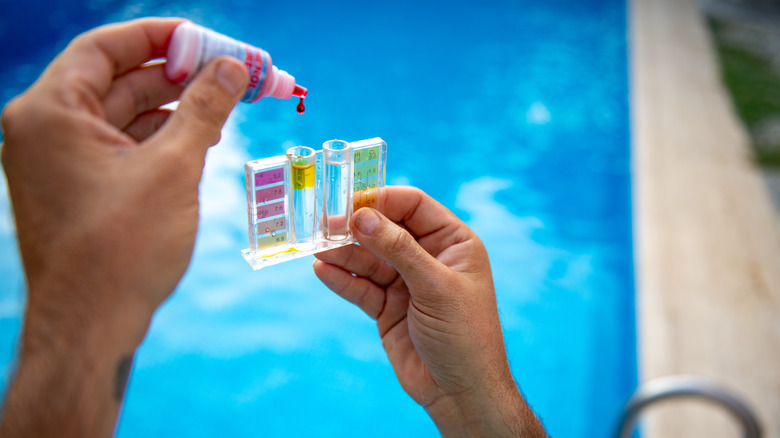
Start by testing your pool water with a reliable pH test kit. Follow the instructions carefully to get the exact pH reading. Test the water in several spots for accuracy. Record the average pH level. Knowing the current pH helps you decide how much vinegar to add.
Calculating Vinegar Amount Needed
Calculate the vinegar amount based on your pool size and pH level. Use a pool volume calculator to find your pool’s total gallons. Each gallon needs a small amount of vinegar to lower pH safely. Add vinegar slowly and retest pH after each addition. This prevents sudden pH swings and keeps water safe for swimming.
Step-by-step Vinegar Application
Lowering pool pH with vinegar is a natural and safe method. It requires careful steps to avoid harming the pool or swimmers. Follow these instructions for the best results and steady pH control.
Diluting Vinegar Safely
Start by diluting vinegar with water before adding it to the pool. Use one part vinegar to four parts water. This reduces the acidity and prevents damage to pool surfaces. Always mix in a bucket or container, not directly in the pool.
Wear gloves to protect your skin during this process. Avoid strong vinegar scents by working in a well-ventilated area. Dilution helps the vinegar spread evenly and lowers pH gently.
Even Distribution Techniques
Pour the diluted vinegar slowly around the pool’s edges. Avoid dumping it in one spot to prevent high acid levels there. Use a watering can or a container with a spout for control.
Walk around the pool while pouring to reach all areas. Turn on the pool pump to mix the vinegar evenly with the water. This step ensures the acid spreads well and lowers pH uniformly.
Monitoring Ph After Application
Test the pool’s pH level after 4 to 6 hours of adding vinegar. Use a reliable pool test kit for accurate results. The ideal pH range is 7.2 to 7.6.
If pH remains high, add more diluted vinegar in small amounts. Retest after each addition to avoid overcorrection. Proper monitoring keeps the water safe and comfortable for swimmers.
Safety Tips When Using Vinegar
Using vinegar to lower pool pH is a popular natural method. Safety matters a lot during this process. Vinegar is acidic and can cause problems if handled carelessly. Knowing safety tips helps protect you and your pool equipment.
Handling And Storage Precautions
Always wear gloves when using vinegar. Avoid splashes on your skin or eyes. Use vinegar in a well-ventilated area to prevent strong fumes. Store vinegar in a cool, dry place away from children and pets. Keep the container tightly closed to avoid spills and contamination.
Avoiding Pool Equipment Damage
Do not pour undiluted vinegar directly on pool surfaces. Vinegar’s acidity can harm tiles and liners. Dilute vinegar with water before adding it to the pool. Check your pool’s material compatibility with vinegar. Use vinegar in small amounts and test pH often to avoid over-acidifying the water.
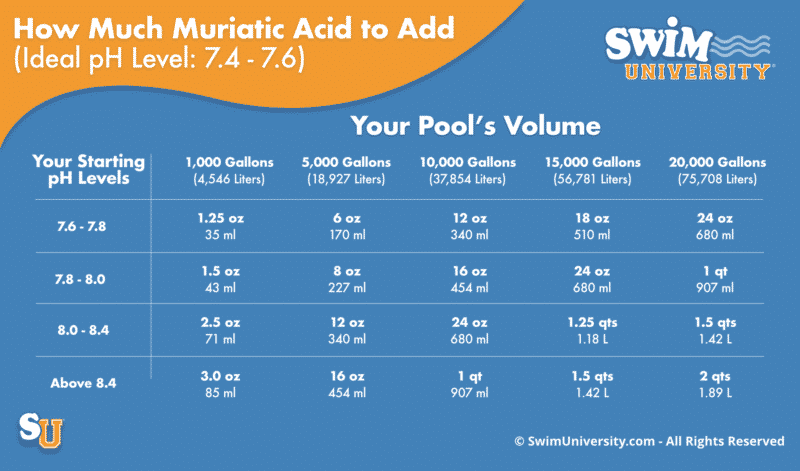
Credit: www.swimuniversity.com
Alternatives To Vinegar For Ph Control
Controlling the pH of your pool is key to keeping the water safe and clear. Vinegar is a popular choice for lowering pH because it is natural and easy to find. Still, some pool owners want other options. These alternatives can offer different benefits and suit various needs.
Choosing the right method depends on your pool size, water condition, and budget. Here are some common alternatives to vinegar for lowering pool pH.
Commercial Ph Reducers
Commercial pH reducers are chemicals made specifically for pools. They work fast to lower pH levels and keep water balanced. Common products include muriatic acid and sodium bisulfate.
Muriatic acid is strong and effective but must be handled with care. Sodium bisulfate is safer and easier to use. Both dissolve quickly in water and adjust pH without raising other chemicals.
These products come with clear instructions for safe use. They are a good choice for large pools or when quick results are needed. You can buy them at pool supply stores or online.
Natural Options Beyond Vinegar
Some prefer natural methods other than vinegar. Lemon juice is an option because it contains citric acid. It can lower pH but not as strongly as commercial products.
Another natural choice is carbon dioxide injection. It lowers pH by forming carbonic acid in water. This method is common in advanced pool systems.
Using baking soda does not lower pH but helps balance total alkalinity. It is sometimes combined with acids to keep water stable.
Natural options work well for small pools or spas. They are gentle and less harsh on skin and pool surfaces. Still, they may need more frequent application than commercial chemicals.
Maintaining Balanced Pool Water
Maintaining balanced pool water is key to a clean and safe swimming environment. Proper balance helps prevent damage to pool surfaces and equipment. It also keeps the water comfortable and healthy for swimmers. Vinegar can help lower pool pH naturally and safely. Understanding how to manage pH and other chemicals keeps your pool in top condition.
Regular Testing Schedules
Test your pool water at least twice a week. Use a reliable test kit to check pH, chlorine, and alkalinity levels. Regular tests catch problems early before they get worse. Keep a log of your test results for easy tracking. Consistency in testing helps maintain water balance effectively.
Combining Ph And Chlorine Management
Lowering pH with vinegar works best when chlorine is stable. Chlorine kills bacteria and keeps water clear. If pH is too high, chlorine loses strength. Keep pH between 7.2 and 7.6 for best chlorine performance. Adjust pH slowly and retest chlorine levels after each change.
Credit: www.housedigest.com
Frequently Asked Questions
What Is The Best Way To Lower Pool Ph With Vinegar?
Adding white vinegar slowly helps reduce pool pH safely and naturally.
How Much Vinegar Should I Add To Lower Pool Ph?
Use about one cup of vinegar per 1,000 gallons; adjust as needed.
Can Vinegar Harm My Pool Equipment Or Liner?
Vinegar is mild and usually won’t damage pool parts if used properly.
How Long Does Vinegar Take To Lower Pool Ph?
Vinegar works within hours, but test pH after 4-6 hours for changes.
Is Vinegar A Safer Alternative To Chemical Ph Reducers?
Yes, vinegar is less harsh and eco-friendly compared to strong chemicals.
Can I Use Vinegar Regularly To Maintain Pool Ph Levels?
Vinegar can be used occasionally, but balance with other pool care methods.
Conclusion
Lowering pool pH with vinegar works well for small adjustments. It is safe and easy to use at home. Always test your water before adding vinegar. Add vinegar slowly and check pH levels often. This helps avoid over-acidifying the pool.
Keeping pH balanced protects your pool equipment and skin. Vinegar is a natural and affordable option. Regular care keeps your pool water clear and healthy. Simple steps make pool maintenance less stressful. Try vinegar for gentle pH control in your pool.