
When it comes to plumbing, understanding the difference between a J Bend and a P Trap can save you time, money, and a lot of frustration. You might think they’re just simple pipe shapes, but each one plays a unique role in keeping your drains working smoothly and your home odor-free.
If you’ve ever wondered which one is right for your bathroom or kitchen sink, this article will clear up the confusion. Stick with me, and you’ll learn exactly how these two plumbing parts work, why they matter, and which one you should choose for your next project.
Let’s dive in and make your plumbing decisions easier than ever.

Credit: www.reddit.com
Basics Of Drain Traps
Drain traps are essential parts of any plumbing system. They stop bad smells from coming back into your home. These traps hold a small amount of water. This water acts as a barrier between your pipes and living spaces. Without traps, gases and odors from the sewer could enter your rooms.
Traps also help catch debris that might clog the pipes. They keep the plumbing working smoothly. Understanding these basics helps you choose the right trap for your needs.
Role In Plumbing Systems
Drain traps prevent sewer gases from entering buildings. They hold water that seals the pipe opening. This water block stops foul smells. Traps also catch solid objects before they reach the main drain. This reduces the risk of clogs and backups. Proper trap installation ensures safe, clean air inside homes.
Common Types
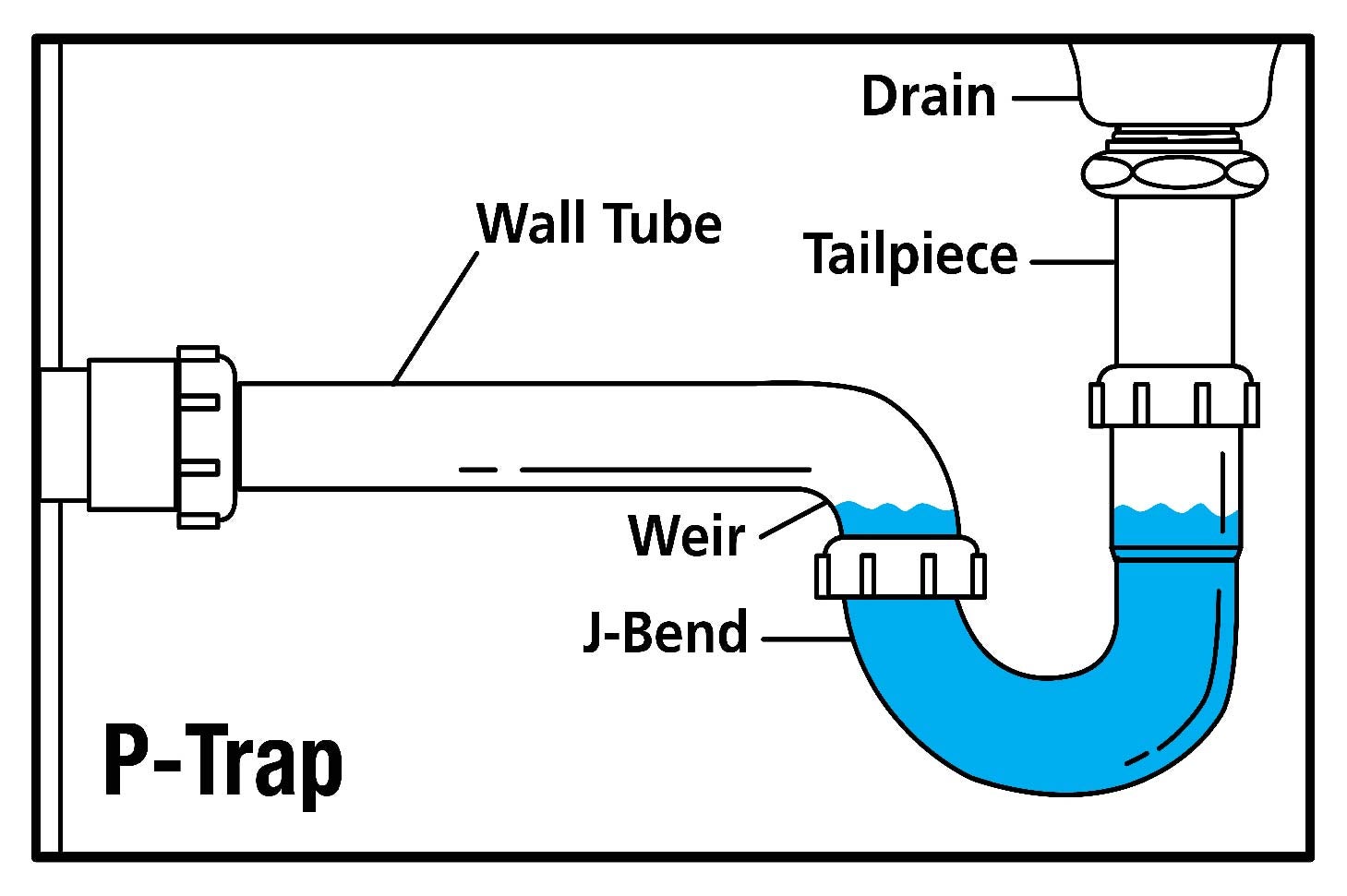
The most common drain traps are the P trap and the J bend. Both use water to block sewer gases. The P trap looks like the letter “P” lying on its side. It has a curved section and a horizontal outlet. The J bend forms a “J” shape. It also holds water but has a simpler design. Each type fits different plumbing setups and space limits.

Credit: homefixitparts.com
What Is A J Bend?
A J Bend is a common plumbing part. It helps trap water in pipes to stop bad smells. This simple piece plays a big role in keeping homes fresh and clean. Understanding its shape and use can help you spot it easily.
Design And Shape
The J Bend looks like the letter “J”. It has a curved pipe that bends downward. This shape holds some water inside the bend. The water acts as a barrier. It stops sewer gases from coming back up through the drain.
Typical Uses
J Bends are mostly found under sinks. They connect the sink drain to the main pipe. The water trapped in the bend blocks bad odors. J Bends are simple and easy to install. They work well in places with low water flow.
What Is A P Trap?
A P trap is a common plumbing part found under sinks and drains. It keeps bad smells from coming back into your home. The shape of the pipe holds water, which blocks sewer gases. This simple design helps maintain a clean and fresh environment inside your house.
Design And Shape
The P trap looks like the letter “P” lying on its side. It has a curved section that holds water. This curve traps odors and gases from the sewer. The pipe connects the sink drain to the waste pipe. Its shape also helps catch small objects before they go down the drain.
Typical Uses
P traps are used in sinks, showers, and bathtubs. They are common in kitchens and bathrooms. These traps stop bad smells from coming up the pipes. They also prevent harmful gases from entering living spaces. Most homes use P traps because they are simple and effective.
Comparing J Bend And P Trap
Choosing between a J Bend and a P Trap affects your plumbing’s function. Both parts stop sewer gases from entering your home. Understanding their differences helps you pick the right one for your needs. Let’s compare them based on installation, space, water seal, and maintenance.
Installation Process
J Bends are simpler to install. They usually connect directly to the drain pipe. P Traps require an extra bend and a cleanout plug. This makes installation a bit more complex. Still, both fit standard plumbing setups.
Space Requirements
J Bends need less space under the sink. Their shape is compact and straight. P Traps take more room because of their curved design. Small cabinets may favor J Bends for saving space.
Water Seal Efficiency
P Traps hold more water, creating a better seal. This stops odors from escaping more effectively. J Bends have a smaller water trap. They may allow some gases to leak over time.
Maintenance Needs
P Traps are easier to clean due to their cleanout plug. You can remove clogs without removing the whole trap. J Bends need full removal to clear blockages. This can be less convenient for regular maintenance.
Common Issues And Solutions
Both J bends and P traps have common problems that can affect your plumbing. Knowing these issues helps you fix them fast. Simple solutions often save time and money. Understanding these problems keeps your drains working well.
Clogs And Blockages
Clogs happen when hair, grease, or debris build up inside the bend or trap. These blockages slow down water flow and cause backups. Use a plunger or drain snake to clear minor clogs. For tougher blockages, a professional plumber may be needed. Regular cleaning prevents most clogs from forming.
Leaks And Odors
Leaks often occur at the joint connections of J bends and P traps. Loose or worn-out seals cause water to drip. Tighten the connections or replace the washers to stop leaks. Foul odors come from dried-out traps that lose their water seal. Pour water into the trap to restore the seal and block sewer gases.
Selecting The Right Trap
Choosing the right trap for your plumbing is important. The trap stops bad smells from coming back into your home. It also helps water flow smoothly. Picking between a J bend and a P trap depends on several things. Knowing these helps you make the best choice.
Each trap type fits different pipe setups and needs. Understanding what to think about makes the selection easier and safer.
Factors To Consider
First, look at the space available under your sink or fixture. J bends need less room than P traps. Also, check the type of pipe you have. Some pipes work better with one trap type. Think about how easy it is to clean the trap. P traps often allow easier access for cleaning. Finally, consider the water flow and how often the trap gets used.
Local Plumbing Codes
Every area has rules for plumbing parts. These rules protect your home and health. Some places require P traps for certain fixtures. Others allow J bends in specific cases. Check your local plumbing codes before buying or installing. Following these rules avoids fines and repairs later. It also ensures your plumbing works well and is safe.
Diy Installation Tips
Installing a J Bend or P Trap can save money and time. Knowing the right tools and steps makes the job easier. This guide helps with clear, simple tips for DIY installation.
Tools Needed
- Adjustable wrench
- Pipe wrench
- Pipe cutter or hacksaw
- Plumber’s tape (Teflon tape)
- Slip joint pliers
- Bucket to catch water
- Rag or towel
- Measuring tape
Step-by-step Guide
Turn off the water supply before starting. Place a bucket under the pipe to catch water.
Loosen the slip nuts on the old trap or bend using the wrench. Carefully remove the old pipe.
Measure the new pipe to fit the space. Cut it if needed using a pipe cutter or hacksaw.
Wrap plumber’s tape around the threads to prevent leaks. Attach the new J Bend or P Trap in place.
Tighten the slip nuts by hand first, then use the wrench for a snug fit. Avoid over-tightening.
Turn on the water supply slowly. Check for leaks around all connections.
Tighten any loose parts if you find leaks. Use a rag to clean any spilled water.
Credit: www.oatey.com
Frequently Asked Questions
What Is The Main Difference Between A J Bend And A P Trap?
A J Bend curves downward in a J shape, while a P Trap forms a loop resembling the letter P.
Why Do Plumbers Prefer P Traps Over J Bends?
P Traps hold water to block sewer gases, preventing bad smells from entering homes.
Can J Bends Cause More Plumbing Problems Than P Traps?
Yes, J Bends can dry out and let sewer gases escape, causing odors and health risks.
Are P Traps Easier To Clean Compared To J Bends?
P Traps are easier to clean because their shape allows better access to blockages.
Which Trap Type Is Better For Kitchen Sinks: J Bend Or P Trap?
P Traps are better for kitchen sinks as they prevent smells and handle food waste well.
Do Building Codes Prefer P Traps Or J Bends?
Most building codes require P Traps for proper sealing and odor control in plumbing systems.
Conclusion
Choosing between a J bend and a P trap depends on your plumbing needs. Both prevent sewer gases from entering your home. The P trap holds water to block smells longer. The J bend is simpler and fits tight spaces well.
Think about space, ease of cleaning, and local codes. Either option works if installed correctly. Keep your plumbing clean to avoid clogs and odors. Understanding these basics helps you pick the right trap for your home. Simple choices can keep your plumbing running smoothly.