
If you own a pool, you’ve probably heard about both pool shock and bleach. But are they the same thing?
Knowing the difference can save you time, money, and even protect your pool and your health. You might think they work the same way, but using the wrong one could cause problems you never expected. Keep reading to discover what sets pool shock apart from bleach, and how to use each safely and effectively for your sparkling clean pool.
This simple knowledge could change the way you care for your pool forever.

Credit: www.youtube.com
What Is Pool Shock
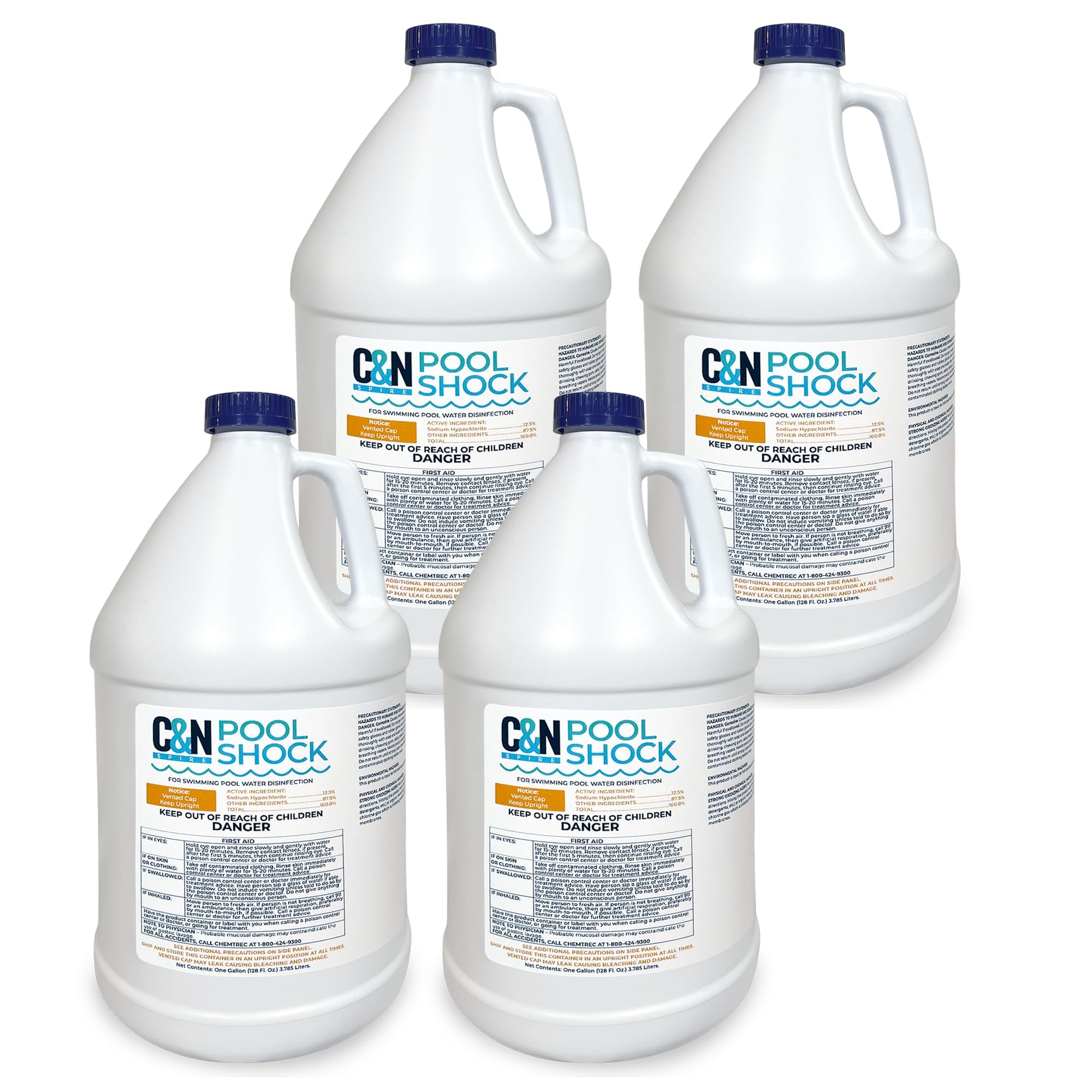
Pool shock is a chemical treatment used to clean and sanitize pool water. It helps remove bacteria, algae, and other contaminants. Pool shock keeps water clear and safe for swimming.
The process is quick and effective. It involves adding a strong dose of chemicals to the pool. This boosts the pool’s sanitizer level and kills harmful organisms.
Types Of Pool Shock
There are several types of pool shock available. Each type serves a specific purpose and suits different pool needs.
Calcium hypochlorite is a common type. It dissolves fast and works well for regular cleaning. Another type is sodium dichlor, which is gentle and stabilizes chlorine in sunlight.
Non-chlorine shock is also popular. It uses potassium monopersulfate and works without adding chlorine. This type is good for quick cleaning and algae control.
How Pool Shock Works
Pool shock adds a large amount of sanitizer to the water. This high dose kills bacteria, algae, and other harmful substances.
The shock breaks down organic waste and clears cloudy water. It also removes chloramines, which cause strong chlorine smells and eye irritation.
The process restores the pool’s sanitizer level to a safe and effective range. This keeps the water clean and healthy for swimmers.
Credit: us.amazon.com
What Is Bleach
Bleach is a common household product used to clean and disinfect surfaces. It helps kill germs and remove stains from clothes and other materials. Many people use bleach to make things look bright and fresh. It is a liquid that usually has a strong smell and a clear or slightly yellow color.
Common Uses Of Bleach
Bleach is used to whiten clothes in laundry. It also disinfects kitchen counters and bathroom surfaces. People use it to clean mold and mildew from walls. Swimming pools use bleach to keep water clean and safe. It helps kill bacteria and viruses on many surfaces.
Chemical Composition
Bleach mainly contains sodium hypochlorite. This chemical is a strong disinfectant. It works by breaking down the cell walls of germs. The solution usually has about 5% to 6% sodium hypochlorite. This makes bleach powerful but also requires careful use. It can irritate skin and damage some materials if not used properly.
Chemical Differences
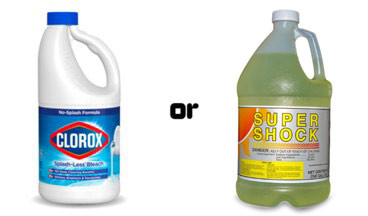
Pool shock and bleach serve different purposes, but many confuse the two. Both contain chemicals that kill bacteria and clean water. Yet, their chemical makeup varies. Understanding these differences helps in choosing the right product safely and effectively.
Active Ingredients
Pool shock uses chemicals like calcium hypochlorite or sodium dichlor. These release chlorine fast to kill algae and germs in pools. Bleach mainly contains sodium hypochlorite as its active ingredient. This chemical disinfects surfaces and water in homes.
The chlorine in pool shock works stronger and faster than bleach. Pool shock is made for outdoor pool use. Bleach is milder and made for household cleaning and disinfecting.
Concentration Levels
Pool shock has a higher concentration of chlorine, usually 60% to 78%. This makes it powerful for killing tough pool contaminants quickly. Bleach has a lower chlorine concentration, about 5% to 8%. This is enough for cleaning and disinfecting smaller areas.
Using pool shock in place of bleach can be dangerous due to its strength. Bleach may not work well for pools because of its lower chlorine level. Knowing these concentration differences keeps you safe and your water clean.
Usage Differences
Pool shock and bleach both kill germs and clean water. They look similar but work differently. Each has a special use. Knowing how to use them keeps your pool safe and clean. The way you apply pool shock and bleach matters a lot. Here is a clear look at their usage differences.
Pool Shock Application
Pool shock is made for pools. It comes in powder or granules. You dissolve it in water before adding to the pool. Use it to kill algae and bacteria fast. Pool shock works best in the evening or at night. This helps the chemicals work better without sun breaking them down.
Use pool shock regularly to keep water clear. Follow the package instructions for the right amount. Too much can harm pool surfaces or swimmers. It raises the chlorine level high for a short time. This kills tough germs and cleans the water deeply.
Bleach Application
Bleach is mostly for cleaning and laundry. It also disinfects water but is not made for pools. Use plain, unscented bleach without additives. Add bleach directly to water to kill germs. It works slower than pool shock and has lower chlorine levels.
Bleach is good for small pools or emergencies. Avoid using too much bleach as it can irritate skin and eyes. It does not contain stabilizers found in pool shock. This makes bleach less effective under strong sunlight. Use bleach carefully and in small amounts.
Safety Considerations
Safety is the top priority when handling pool shock or bleach. Both chemicals can cause harm if not used properly. Understanding how to manage each product keeps you and others safe.
Handling Pool Shock
Wear gloves and eye protection while using pool shock. Avoid breathing in the dust or fumes. Keep it in a cool, dry place away from children and pets. Never mix pool shock with other chemicals. Always follow the instructions on the label for safe use.
Handling Bleach
Use bleach in a well-ventilated area. Protect your skin and eyes with gloves and goggles. Store bleach away from direct sunlight and heat. Do not mix bleach with ammonia or other cleaners. Read and follow the product label carefully to avoid accidents.
Credit: www.eztestpools.com
Effectiveness In Pool Maintenance
Effectiveness in pool maintenance depends on how well chemicals keep water clean and safe. Pool shock and bleach both sanitize water, but their power and effects differ. Understanding these differences helps maintain a healthy swimming environment.
Sanitizing Power
Pool shock is stronger than regular bleach. It kills bacteria and algae quickly. Shocking your pool clears cloudy water fast. Bleach also kills germs but works slower. Pool shock uses higher chlorine levels. This makes it ideal for deep cleaning. Bleach suits daily maintenance with low chlorine.
Impact On Water Chemistry
Pool shock changes water chemistry more than bleach. It raises chlorine levels quickly. This can affect pH and alkalinity. Balancing these is important after shocking. Bleach adds chlorine gently and keeps water stable. Using pool shock needs careful monitoring. Bleach is safer for small adjustments. Both require testing water often for best results.
Cost And Availability
Cost and availability play a big role in choosing between pool shock and bleach. Both help clean and disinfect pools, but their prices and where you find them differ. Knowing these details helps you decide which product suits your needs and budget.
Price Comparison
Pool shock usually costs more than regular bleach. A small bag of pool shock can be several times pricier than a bottle of bleach. This price difference is because pool shock is stronger and made for pool care. Bleach is cheaper but may not work as well for pool cleaning.
Where To Buy
Pool shock is mostly sold at pool supply stores or online. Some big hardware stores also carry it. Bleach is easier to find. Most supermarkets, drugstores, and even convenience stores sell bleach. This makes bleach more available for quick use.
Frequently Asked Questions
What Is The Main Difference Between Pool Shock And Bleach?
Pool shock is stronger and designed for pools; bleach is milder and for household use.
Can I Use Household Bleach Instead Of Pool Shock?
Household bleach can be used, but it is less effective and may harm the pool.
How Does Pool Shock Work In Cleaning Pool Water?
Pool shock kills bacteria and removes contaminants quickly to keep pool water clear.
Is Pool Shock Safer Than Bleach For Pool Maintenance?
Pool shock is safer for pools because it is made specifically for pool use.
Can Pool Shock And Bleach Be Mixed Safely?
Mixing pool shock and bleach can be dangerous and should always be avoided.
How Often Should I Use Pool Shock In My Swimming Pool?
Use pool shock once a week or after heavy pool use to maintain cleanliness.
Conclusion
Pool shock and bleach are not the same, though both clean water. Pool shock is made for pools and works stronger. Bleach can harm your pool and is less safe. Always choose pool shock to keep water clear and safe.
Understanding the difference helps protect your pool and family. Use the right product for the best results. Clean water means fun and safe swimming every time.