
Have you ever wondered how quickly a sparkling pool can turn into a green, murky mess? It might sound strange, but knowing what mistakes can ruin your pool helps you avoid them.
You’ll discover the common habits and errors that can damage your pool fast. Understanding these pitfalls will keep your water clear and your pool inviting all season long. Keep reading to find out what to watch out for—and how to protect your pool from disaster.

Credit: www.shutterstock.com
Neglecting Regular Maintenance
Neglecting regular maintenance is one of the fastest ways to ruin a pool. Without proper care, pools become dirty, unsafe, and expensive to fix. Simple, daily tasks keep the water clear and the equipment working well. Skipping these tasks leads to many problems that can easily be avoided.
Skipping Cleaning Sessions
Cleaning a pool regularly removes leaves, dirt, and debris. If you skip cleaning, dirt builds up on the surface and bottom. This makes the water cloudy and unhealthy. Algae can grow fast in dirty pools. It makes the pool slippery and unsafe. Regular cleaning keeps the pool fresh and inviting.
Ignoring Water Chemistry
Water chemistry means balancing chemicals in the pool water. Proper balance stops bacteria and algae from growing. Ignoring this balance causes cloudy water and skin irritation. Too much chlorine can hurt your eyes and skin. Too little lets germs multiply. Testing the water often helps keep it safe and clear.
Overlooking Equipment Checks
Pool equipment like pumps and filters need regular checks. If equipment breaks, water does not flow or clean properly. Overlooking these checks can cause bigger repairs later. Small problems become expensive to fix. Checking equipment often saves money and keeps the pool working well.
Using Harsh Chemicals Incorrectly
Using harsh chemicals incorrectly can quickly damage your pool. Chemicals keep the water clean and safe. But too much or the wrong mix can cause serious problems. You might see cloudy water, skin irritation, or even damage to your pool’s surface. Understanding how to handle these chemicals is very important.
Overdosing Chlorine
Chlorine kills germs and keeps water clear. Too much chlorine makes the water harsh. It can cause red eyes and itchy skin. Overdosing can also harm the pool’s liner and equipment. Always measure chlorine carefully and follow instructions on the label.
Mixing Incompatible Chemicals
Some chemicals should never mix. Combining the wrong ones can cause dangerous reactions. For example, mixing chlorine with acid can release toxic gas. This can be harmful to your health and damage the pool. Store chemicals separately and add them to the water one at a time.
Failing To Balance Ph Levels
pH measures how acidic or basic the water is. Water with the wrong pH can cause many issues. Low pH can corrode metal parts and irritate skin. High pH can make the water cloudy and reduce chlorine’s effect. Test your water regularly and adjust pH to stay between 7.2 and 7.8.
Poor Water Circulation
Poor water circulation can quickly ruin a pool. Water must move well to stay clean and safe. Without good flow, dirt and chemicals build up. This creates a breeding ground for algae and bacteria. Pools with poor circulation look cloudy and feel unpleasant. Many problems stem from common circulation mistakes. Understanding these issues helps keep your pool clear and healthy.
Blocked Filters And Pumps
Filters and pumps remove debris and dirt from pool water. If they become blocked, water stops flowing properly. Leaves, hair, and dirt can clog filters quickly. A blocked filter forces the pump to work harder. This reduces circulation and strains equipment. Clean filters often and remove debris around pumps. This keeps water moving freely and prevents damage.
Improper Pump Running Times
Pumps must run long enough to circulate all pool water. Running a pump too short leaves water still in places. Chemicals cannot spread evenly without full circulation. This causes algae growth and cloudy water. Running pumps too long wastes energy and can cause wear. Find the right pump time for your pool size and weather. Follow manufacturer guidelines for best results.
Ignoring Water Stagnation
Water that does not move becomes stagnant quickly. Stagnant water looks dirty and smells bad. It also encourages mosquito breeding and algae growth. Regular circulation keeps water fresh and healthy. Check corners and deep spots for water flow. Use extra jets or pool cleaners if needed. Never let water sit still for long periods.
Ignoring Structural Issues
Ignoring structural issues can quickly ruin your pool. Small problems grow fast and cause big damage. Fixing them early saves time and money. Neglecting cracks, broken tiles, or bad equipment leads to costly repairs.
Cracks And Leaks
Cracks let water escape and damage the pool walls. Leaks waste water and raise your bills. They also weaken the pool’s structure. Ignoring cracks causes bigger breaks and unsafe conditions.
Damaged Tiles And Surfaces
Broken tiles look ugly and can hurt swimmers. Rough surfaces cause cuts and scrapes. Damaged areas also let water seep in. Leaving them alone makes the pool unsafe and less enjoyable.
Faulty Pool Equipment Installation
Poorly installed pumps or filters cause malfunctions. Equipment that leaks or stops working damages the pool system. Wrong installation leads to expensive repairs and downtime. Proper setup is crucial for a healthy pool.
Allowing Debris To Accumulate
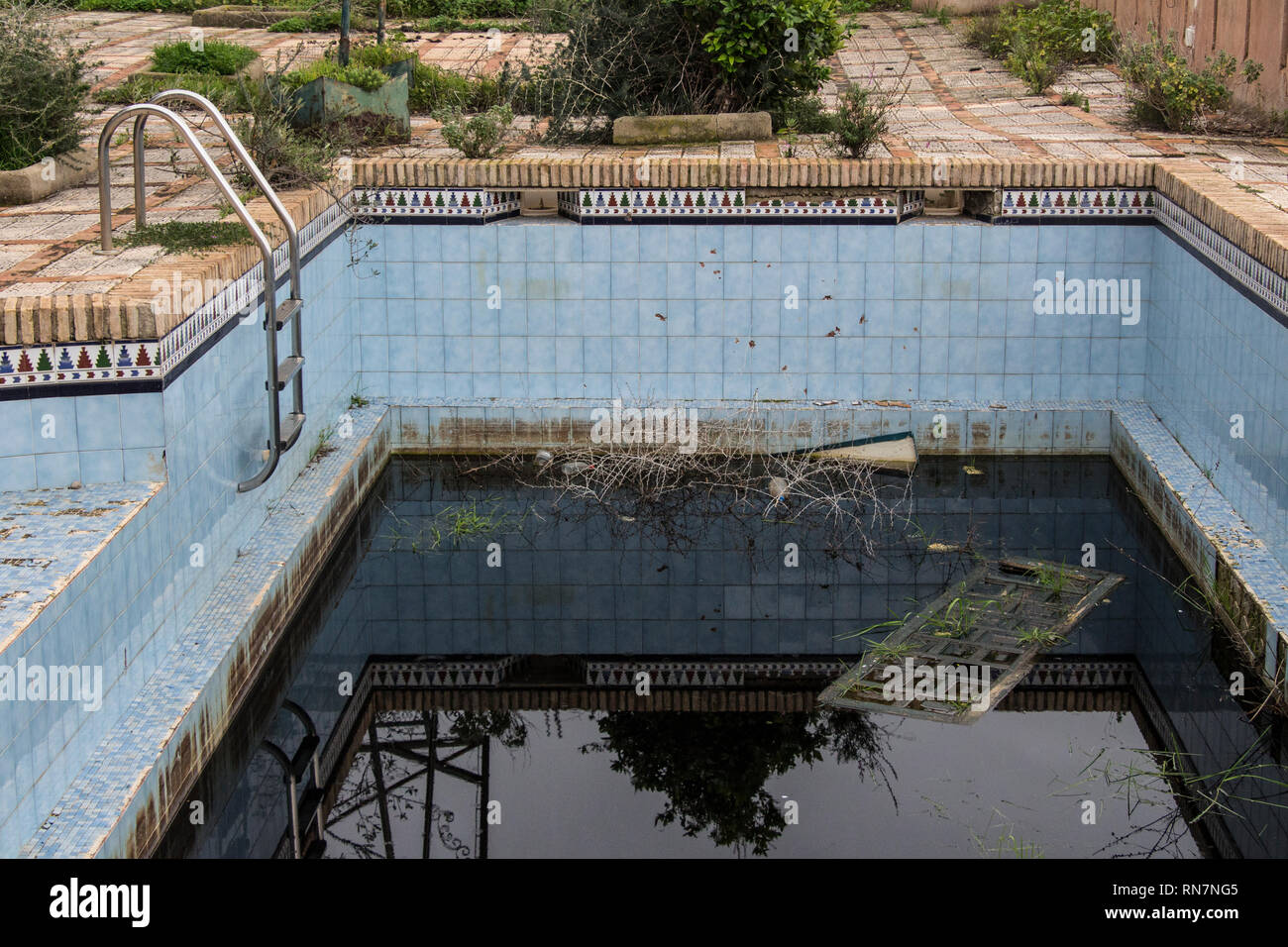
Allowing debris to pile up in a pool causes many problems. Dirt, leaves, and other waste make water dirty fast. The pool looks unpleasant and feels unsafe. Bacteria and algae can grow easily in dirty water. Pool filters and pumps work harder but get clogged. This section explains how debris harms your pool and what happens if you ignore it.
Falling Leaves And Dirt
Leaves fall from trees and settle on the water surface. Dirt blown by wind also lands in the pool. These materials block sunlight and lower water quality. They create dark spots that attract insects. Leaves and dirt break down and make the water cloudy. Removing them quickly keeps the pool clean and clear.
Algae Growth From Neglect
Algae grow fast in pools with debris. Leaves and dirt provide nutrients for algae. Algae turn water green and slimy. Swimming in algae-filled water is unhealthy. It can cause skin irritation and infections. Regular cleaning stops algae from spreading and ruining your pool.
Ignoring Skimmer Basket Cleaning
Skimmer baskets catch debris before it reaches the pump. If not cleaned often, baskets get full and stop working. Water flow slows down and pumps can break. Debris moves to the pool floor and clogs filters. Emptying skimmer baskets keeps the pool equipment safe and water clear.
Credit: www.alamy.com
Improper Winterization
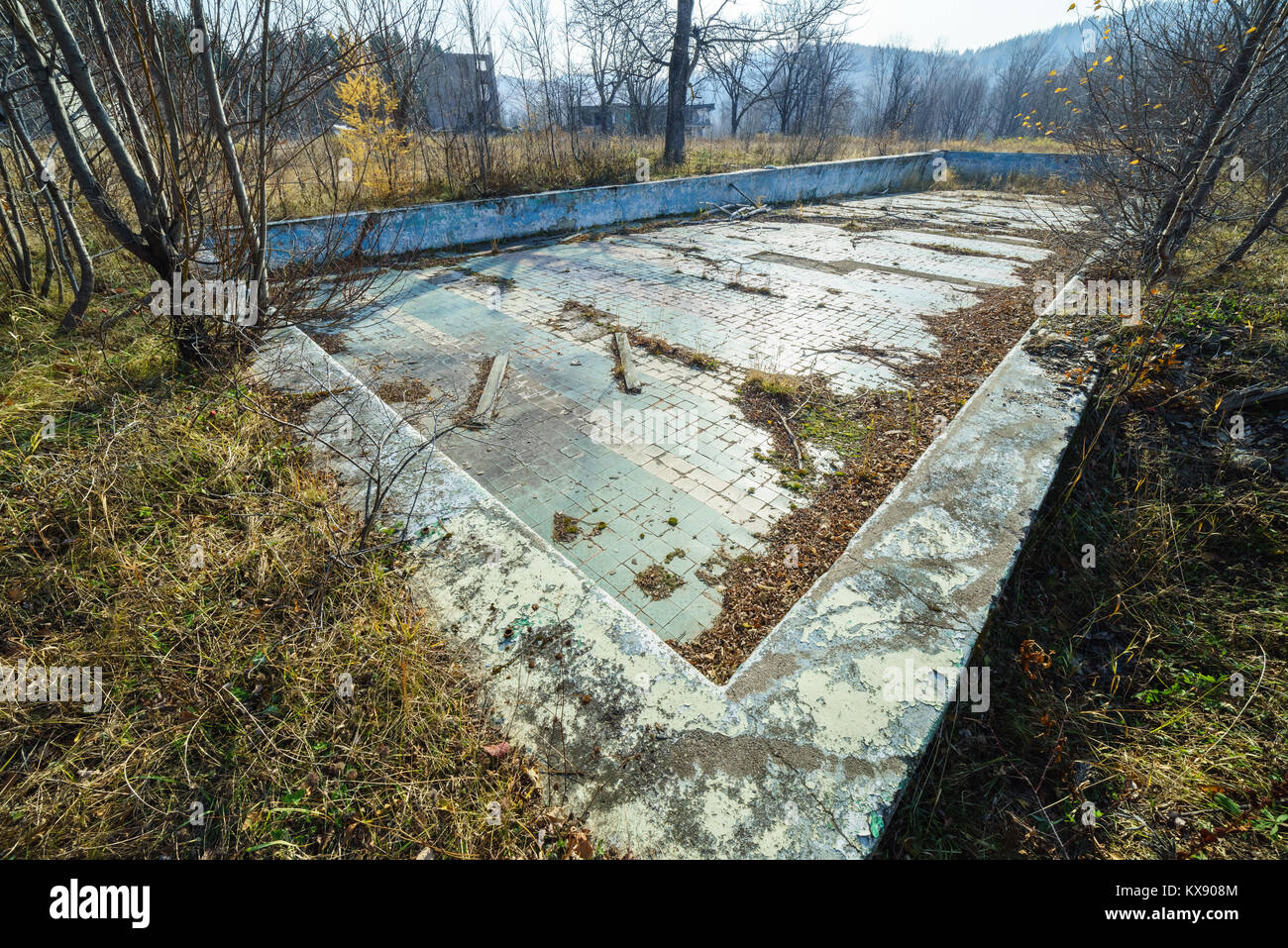
Improper winterization can quickly destroy a pool. Cold weather affects water, surfaces, and equipment. Without the right steps, damage is almost certain. Protecting your pool during winter is crucial. Neglecting this care leads to costly repairs and wasted time.
Leaving Water Untreated
Untreated water causes algae and bacteria growth. Chemicals balance drops as temperatures fall. Stains and cloudy water appear fast. Freezing untreated water can crack the pool surface. Proper chemical treatment keeps the water safe all winter.
Failing To Cover The Pool
Not covering the pool lets dirt and debris in. Leaves and twigs rot and stain the water. Cold air causes evaporation and temperature swings. A good cover keeps the pool clean and stable. It also prevents accidents and reduces maintenance work.
Not Protecting Equipment From Freezing
Pool pumps and filters can freeze and crack. Water left inside expands and breaks parts. Draining and storing equipment prevents damage. Wrapping pipes and equipment adds extra safety. Frozen equipment means expensive replacements and downtime.
Credit: www.alamy.com
Frequently Asked Questions
How Can Neglecting Pool Cleaning Ruin A Pool?
Ignoring pool cleaning causes dirt and algae buildup, making water cloudy and unhealthy.
Why Does Unbalanced Pool Chemistry Damage The Pool?
Wrong chemical levels cause corrosion, stains, and can harm pool surfaces and equipment.
Can Poor Pool Filtration Lead To Pool Damage?
Yes, bad filtration lets debris and bacteria grow, ruining water quality and clarity.
How Does Skipping Pool Maintenance Affect Pool Lifespan?
Lack of maintenance causes wear and tear, leading to costly repairs or early replacement.
What Happens If You Use Wrong Pool Chemicals?
Wrong chemicals can cause foaming, discoloration, and damage pool liners and pumps.
Can Ignoring Leaks Seriously Harm My Pool?
Yes, leaks waste water, damage structure, and increase repair costs if not fixed early.
Conclusion
Ruining a pool can happen fast with small mistakes. Neglecting cleaning and chemicals causes big problems. Ignoring leaks or cracks makes damage worse. Poor water balance invites algae and bacteria. Avoid these errors to keep your pool safe. A well-kept pool lasts longer and stays fun.
Simple care and attention save money and effort. Protect your pool to enjoy it for years. Remember, small actions lead to big results. Keep your pool clean, balanced, and checked often.