
Are you struggling to keep your pool water clean and safe? One key factor that often gets overlooked is the ORP level.
ORP, or Oxidation-Reduction Potential, measures how effectively your pool water can kill bacteria and break down contaminants. If your ORP level is too low, your pool might look clear but could still harbor harmful germs. You’ll discover simple, effective ways to raise your ORP level and keep your pool sparkling and healthy.
By understanding and managing this crucial number, you’ll enjoy worry-free swimming all season long. Keep reading to learn exactly what steps you can take today!
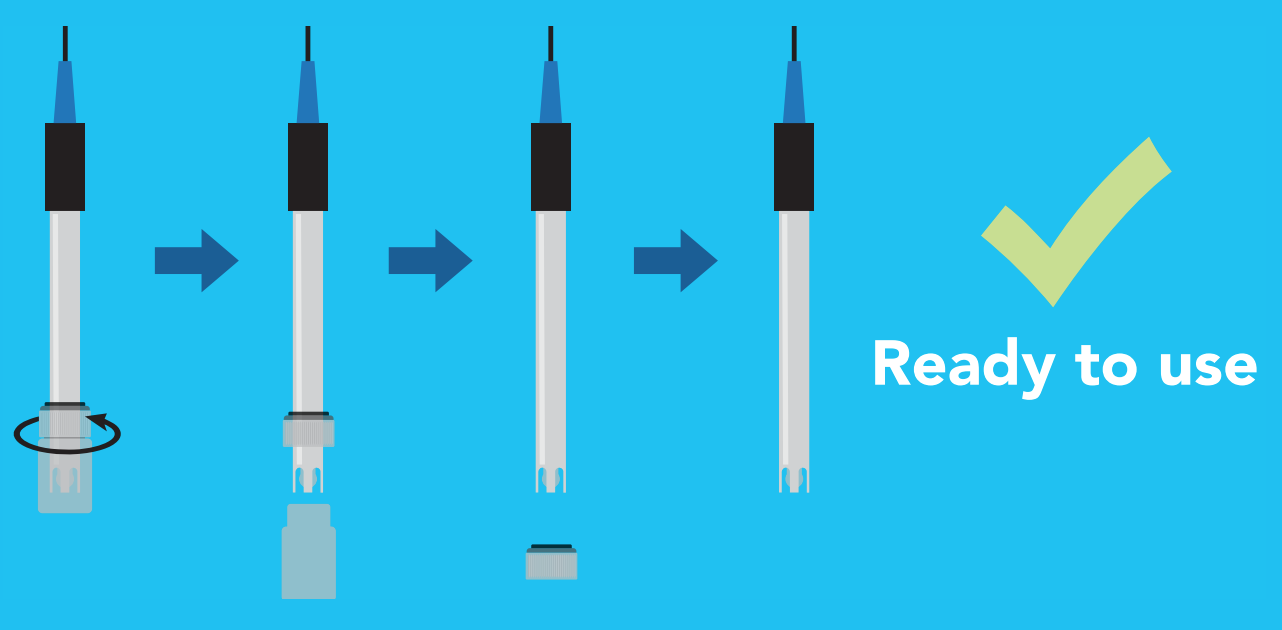
Credit: atlas-scientific.com
What Is Orp In Pools
ORP stands for Oxidation-Reduction Potential. It is a measure of how well your pool water can clean itself. ORP shows the water’s ability to kill bacteria and other harmful germs. The higher the ORP, the stronger the water’s disinfecting power.
Pool owners often check ORP to keep water safe and clear. It helps track how well chemicals like chlorine work in the water. Understanding ORP is key to maintaining a healthy swimming environment.
Role Of Orp In Water Quality
ORP measures the water’s ability to break down contaminants. It tells if the sanitizer is active and effective. A good ORP level means fewer germs and safer water. Low ORP shows the sanitizer is weak or used up.
Maintaining proper ORP helps prevent algae and bacteria growth. It also reduces bad odors and cloudy water. ORP is a quick way to check pool health without complex tests.
Ideal Orp Range For Pools
The best ORP range for pools is usually between 650 and 750 millivolts. This range keeps bacteria and viruses under control. If ORP drops below 650, the water may not be safe.
Above 750, the water can become too harsh for swimmers. High ORP can cause skin and eye irritation. Regular testing helps keep ORP in the safe zone.
Factors Affecting Orp Levels
ORP (Oxidation-Reduction Potential) levels show how clean and safe your pool water is. Several factors change these levels daily. Understanding them helps keep your pool balanced and healthy. Let’s explore what affects ORP in pool water.
Impact Of Ph On Orp
pH measures how acidic or basic your pool water is. It greatly affects ORP readings. Low pH means more acidic water, which usually raises ORP. High pH lowers ORP, making sanitizers less effective. Keep pH between 7.2 and 7.8 for best ORP results.
Effect Of Chlorine And Other Sanitizers
Chlorine is the main sanitizer that raises ORP. More chlorine means higher ORP, killing germs better. Other sanitizers like bromine also affect ORP but in different ways. Regularly test sanitizer levels to maintain proper ORP and safe water.
Influence Of Water Temperature
Water temperature changes ORP levels too. Warmer water lowers ORP because chemical reactions speed up. Cooler water can increase ORP slightly. Try to keep pool temperature stable to help maintain steady ORP readings.
Simple Ways To Raise Orp
Raising the Oxidation-Reduction Potential (ORP) level in your pool keeps water clean and safe. ORP measures how well your pool can break down contaminants. Higher ORP means better water quality and fewer germs. Simple steps can help boost ORP without much hassle. Let’s explore easy ways to raise ORP effectively.
Adjusting Chlorine Levels
Chlorine is the main chemical that raises ORP in pools. It kills bacteria and breaks down organic matter. Check your chlorine levels regularly. Increase chlorine carefully if ORP is low. Avoid adding too much at once. Small, steady increases keep water safe and balanced. Use a reliable test kit for accuracy.
Balancing Ph Correctly
pH affects how well chlorine works and influences ORP. Keep your pool pH between 7.2 and 7.6. Low pH can cause irritation and damage pool parts. High pH reduces chlorine’s effectiveness and lowers ORP. Use pH increasers or reducers to maintain balance. Test pH often for best results.
Using Orp Boosting Chemicals
Some chemicals help raise ORP quickly and safely. These include potassium monopersulfate and other non-chlorine oxidizers. They work by removing contaminants that lower ORP. Use these products as directed on the label. Avoid overuse to prevent water problems. These chemicals support chlorine and improve overall water quality.
Credit: blog.orendatech.com
Maintaining Stable Orp
Maintaining stable ORP (Oxidation-Reduction Potential) in your pool is essential for clean and safe water. ORP measures the water’s ability to break down contaminants. Stable ORP means your pool water stays healthy and balanced. This keeps bacteria and algae under control.
Stable ORP depends on regular care and simple habits. Monitoring water quality and avoiding contamination help maintain the right levels. Proper filtration also plays a key role in keeping ORP steady.
Regular Testing And Monitoring
Test your pool water often to track ORP levels. Use an ORP meter or test strips for quick checks. Testing helps spot changes early. It allows you to adjust chemicals before problems grow. Keep a log of results for reference. Consistent monitoring keeps your pool water safe and clear.
Avoiding Contaminants
Contaminants lower ORP and harm pool water. Keep leaves, dirt, and oils out of the pool. Ask swimmers to rinse before entering. Avoid using lotions or perfumes near water. Clean pool covers and decks regularly. Less contamination means better ORP and healthier water.
Proper Pool Filtration
Filtration removes particles that reduce ORP. Run your pool filter daily for the right time. Clean or backwash the filter as needed. A clean filter traps debris well. Good filtration keeps water clear and supports stable ORP levels.
Common Mistakes To Avoid
Maintaining the right ORP level in your pool is key for clean and safe water. Many pool owners try to fix ORP issues but make simple mistakes. These errors can waste chemicals and lower water quality. Avoiding common mistakes helps keep your pool balanced and healthy.
Overusing Chemicals
Adding too many chemicals can harm your pool water. Overuse does not increase ORP levels faster. It can cause cloudy water and damage pool surfaces. Use chemicals carefully and follow package instructions. Test water often to add only what is needed.
Ignoring Ph Imbalance
pH levels affect ORP readings a lot. If the pH is too high or low, ORP may not rise properly. Keep pH between 7.2 and 7.6 for best results. Test pH regularly and adjust with pH increaser or decreaser as needed.
Skipping Routine Maintenance
Regular pool cleaning keeps ORP stable. Dirt, algae, and debris lower water quality and ORP. Clean filters, brush walls, and vacuum the floor weekly. Check water chemistry every few days. Routine care prevents big problems later.
Benefits Of High Orp In Pools
Maintaining a high ORP level in pool water offers many benefits. ORP, or oxidation-reduction potential, measures water’s ability to clean and disinfect. Higher ORP means stronger water quality and safer swimming conditions.
High ORP levels help keep pool water clean and clear. They reduce harmful substances and make the water more pleasant to swim in.
Cleaner And Clearer Water
High ORP helps break down organic matter like sweat and oils. This process keeps the water looking clear and fresh. It also reduces bad smells and cloudy water. Clean water feels better and looks more inviting.
Reduced Risk Of Algae And Bacteria
Algae and bacteria grow slower in pools with high ORP. Strong oxidation kills these harmful germs quickly. This reduces the need for extra chemicals and frequent cleaning. It helps keep the pool safer and more hygienic.
Improved Swimmer Safety
High ORP means better disinfection of pool water. It lowers the chance of infections from bacteria and viruses. Swimmers enjoy a safer experience with fewer health risks. Clean water also protects skin and eyes from irritation.
Credit: sbcontrol.com
Frequently Asked Questions
What Is Orp And Why Is It Important For Pools?
ORP measures the water’s ability to kill bacteria and keep it clean and safe.
How Can I Test The Orp Level In My Pool?
Use an ORP meter or test strips designed to measure oxidation levels in water.
What Chemicals Raise Orp Levels In Pool Water?
Chlorine and bromine are common chemicals that increase ORP and sanitize pool water.
How Does Ph Affect The Orp Level In Pools?
High pH lowers ORP, making disinfection less effective. Keep pH balanced for best results.
Can Sunlight Lower The Orp Level In My Pool?
Yes, sunlight breaks down chlorine, reducing ORP and pool water’s ability to stay clean.
How Often Should I Check And Adjust My Pool’s Orp Level?
Check ORP at least once a week and adjust chemicals to keep levels safe and effective.
Conclusion
Raising ORP levels keeps your pool water safe and clean. Test the water often to track changes. Add chlorine or other oxidizers carefully and in small amounts. Balance the pool’s pH for best results. Regular maintenance helps avoid common problems.
Clear water invites more fun and relaxation. Keep these steps in mind for healthy pool water. Simple actions make a big difference over time. Stay consistent and enjoy a sparkling pool all season.